






The South African Stage
The year was 2009, and the Indian Premier League was taking place far from home. Due to general elections in India, the tournament's second season was moved to South Africa, adding a unique flavour to the competition. On May 6, at Centurion's SuperSport
Park, the Adam Gilchrist-led Deccan Chargers, who would eventually become champions, took on the star-studded Mumbai Indians. Rohit Sharma, then a 22-year-old rising star for the Chargers, had already made a mark in the game, but primarily for his elegant batting. That day, however, he would author a chapter in IPL folklore with his unheralded off-spin bowling. Before the match, he was seen as a crucial middle-order batsman, and he delivered with a solid 38, the top score for his team as Deccan posted a modest 145.
A Tense Chase in Centurion
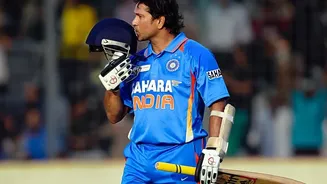
Chasing 146, Mumbai Indians seemed to be in a comfortable position. Despite losing legends Sachin Tendulkar and Sanath Jayasuriya early, a brilliant half-century from South African JP Duminy anchored their innings. By the end of the 15th over, Mumbai were 103 for 4, needing a very gettable 43 runs from the final 30 balls with Duminy well-set at the crease. The game was firmly in Mumbai's grasp. Deccan's frontline bowlers had been unable to dislodge Duminy, and the match seemed to be heading towards a predictable conclusion. Captain Adam Gilchrist needed a miracle to turn the tide.
An Inspired Bowling Change
In a move that could have been seen as either genius or desperation, Gilchrist tossed the ball to Rohit Sharma to bowl the 16th over. Rohit was, at best, a part-time bowler, rarely used in high-pressure situations. However, having started as a bowler in his school days, he possessed a natural ability. The gamble was immense. With the game on the line, using a non-regular bowler against a set batsman was a massive risk. But it was a risk that would pay off in the most spectacular fashion, completely altering the course of the match and stunning everyone watching.
Three Balls, Three Wickets
The magic began on the fifth ball of the 16th over. Rohit bowled Abhishek Nayar for just one run. On the very next ball, the last of the over, he trapped Harbhajan Singh in front, who was dismissed lbw for a golden duck. Two wickets in two balls had suddenly injected tension into the Mumbai chase. Gilchrist, sensing the shift in momentum, brought Rohit back to bowl the 18th over. The first ball of that over became historic. He had the well-set JP Duminy, on 52, caught by Gilchrist himself. The hat-trick was complete, spread across two overs. Mumbai had collapsed from a position of strength at 103 for 4 to a disastrous 108 for 7. Rohit didn't stop there, also claiming the wicket of Saurabh Tiwary in the same over to finish with incredible figures of 4 wickets for just 6 runs in his two overs.
The Legacy of a Forgotten Feat
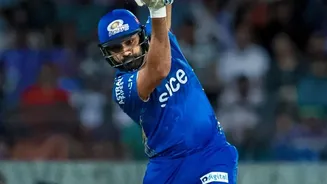
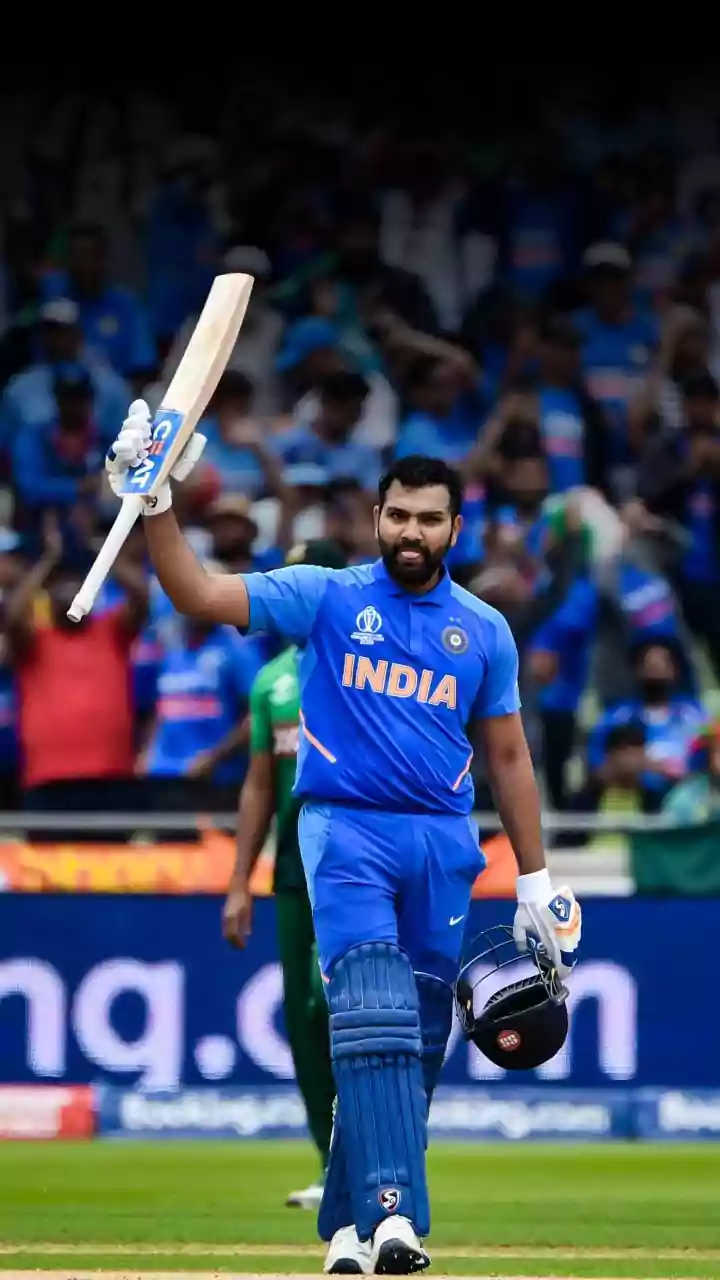
Deccan Chargers went on to win the match by 19 runs, a victory orchestrated almost single-handedly by Rohit's all-round performance. He was deservedly named the Man of the Match. What makes this feat even more remarkable in hindsight is the irony. The team he dismantled was the Mumbai Indians, the very franchise he would join in 2011 and lead to an unprecedented five IPL titles, becoming the most successful captain in the league's history. Today, Rohit Sharma is celebrated as one of the greatest white-ball batsmen of all time, a run-machine known for his effortless six-hitting. His match-winning spell in 2009 often feels like a forgotten piece of trivia, a surprising footnote in a career defined by batting greatness. Yet, it remains a powerful reminder of his immense natural talent and his ability to impact the game in any capacity.