








The Rise of the Four-Legged Plus-One
Not long ago, the question of bringing a pet on a group holiday would have been unthinkable. But times have changed. A surge in pet ownership, particularly since 2020, has shifted how many people view their animal companions. For a growing number of millennials
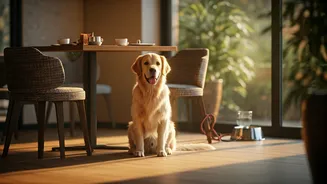
and Gen Z, pets are not just animals; they are family. This has led to a boom in the pet-friendly travel market, with a 2024 study estimating the sector's worth could reach nearly £40bn by 2030. Today, more than half of pet owners plan to take trips with their furry friends. This desire stems from both emotional attachment and practical concerns, like the high cost and stress of finding reliable pet-sitters. As a result, the 'plus-one' on the vacation invite list is increasingly likely to have paws and a tail.
The Fur in the Ointment
While one person sees a beloved companion, another might see a host of problems. The conflict often starts with the simple fact that not everyone is a pet person. Legitimate fears, allergies, or past negative experiences can make sharing a space with an animal a source of major anxiety. Then there are the logistical hurdles. Who pays if the pet scratches the furniture or has an accident on the rug? How does the group handle activities where pets aren't allowed? Even something as simple as a shared meal can become complicated if a dog is begging at the table. These issues can create resentment and awkwardness, turning a relaxing getaway into a stressful ordeal where one person's freedom infringes upon another's comfort.
Whose Responsibility Is It, Anyway?
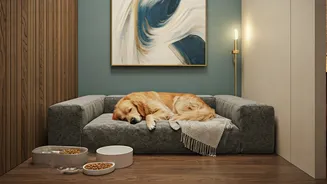
A common point of friction is the division of labor. The pet owner might assume their friends will be happy to help out, while the rest of the group may feel they didn't sign up for pet-sitting duty. The pet owner must be prepared to handle all aspects of their animal's care, from walks and feeding to cleaning up any messes. It is also crucial for the owner to manage their pet's stress. A new environment with many people can be overwhelming for an animal. This means the owner needs to ensure their pet has a quiet space to retreat to and isn't showing signs of anxiety like pacing or hiding. This added responsibility can limit the owner's ability to participate in all group activities, which can, in turn, affect the group's dynamic.
A New Chapter in Friendship Etiquette
Navigating this new social challenge successfully boils down to one thing: communication. The topic of bringing a pet cannot be an assumption or a last-minute request; it must be a group discussion from the very beginning of the planning process. The pet owner should ask for permission, not announce their intention. This allows everyone to voice their concerns honestly. If the group agrees, clear ground rules should be established. Discussing costs, accommodation rules, and creating a plan for pet-free activities in advance prevents misunderstandings later. The host of the property or the person booking the accommodation has the final say, and their decision must be respected. This conversation is not just about a pet; it is about mutual respect among friends.