





Choosing Your Berries and Pot
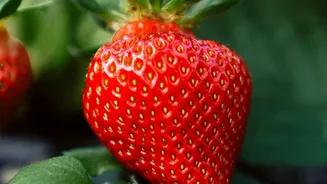
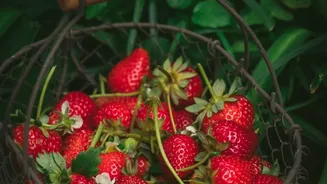
Success starts with the right supplies. For containers, everbearing or day-neutral varieties are your best bet, as they produce fruit throughout the season. Look for names like 'Albion', 'Seascape', or 'Mara des Bois'. These are more suitable for pots
than June-bearing types that yield one large harvest. As for the container, strawberries have shallow roots, so a wide pot is better than a deep one. Choose one that's at least 10-12 inches wide and 8 inches deep, which can comfortably house two to three plants. Most importantly, ensure it has plenty of drainage holes, as strawberry roots are prone to rotting in soggy soil.
Planting for Success
When you're ready to plant, fill your pot with a high-quality potting mix, not garden soil, which can become too compacted. When placing the plant, the 'crown'—the part where the leaves emerge from the roots—must sit just above the soil line. If buried too deep, the plant can easily rot. After gently firming the soil around the roots, water thoroughly until you see it run from the drainage holes. Then, find a home for your pot in the sunniest spot on your balcony. Strawberries need at least six hours of direct sunlight daily to produce sweet, plentiful fruit.
Summer Care and Feeding
The biggest challenge with container gardening is watering. Pots dry out much faster than garden beds, especially in the heat. Check the soil daily; if the top inch feels dry, it's time to water again. Strawberries are also heavy feeders. To support fruit production, feed them with a balanced liquid fertiliser about once a month during the growing season. To direct the plant's energy towards making fruit, pinch off the 'runners'—long stems that try to create new plants. A layer of straw mulch around the base of the plant can also help retain moisture and keep the developing berries clean.
The Goal of Winter Care
Managing winter conditions isn't about growing fruit in December; it's about helping the plant survive to fruit again next year. The goal is to protect the delicate root system, which is more vulnerable in a pot than in the ground. Soil in a container can freeze solid, killing the roots even if the top of the plant looks fine. You want to keep the plant dormant—cold and alive, but not actively growing—by protecting it from extreme cold, harsh winds, and repeated freeze-thaw cycles.
How to Overwinter Your Potted Plants
The easiest way to overwinter potted strawberries is to move them into a sheltered, unheated space once they go dormant after a few frosts. An unheated garage, shed, or basement is ideal. The temperature should stay cold but ideally above freezing, roughly between -7 to 4°C. If you can't bring them inside, group pots together in a sheltered corner of your balcony. You can insulate the pots by wrapping them in burlap or bubble wrap and stuffing straw between them. Cover the top of the plant with a thick, 6- to 8-inch layer of straw or pine needles for extra insulation. During this dormant period, they need very little water—just enough to keep the soil from completely drying out.