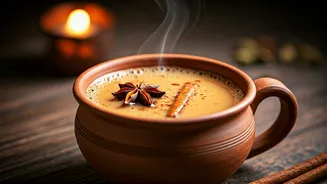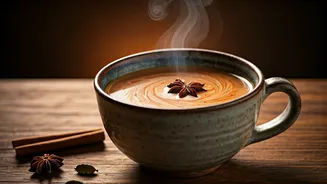







A Ritual Beyond the Recipe
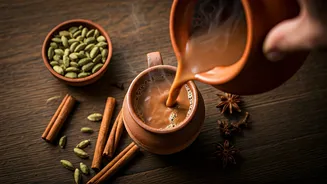
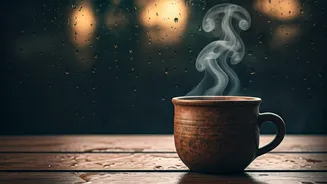
For hundreds of millions, the day doesn't truly begin without it. The morning chai is a non-negotiable ritual, a gentle awakening for the senses. It’s the sound of the steel pot clanking, the grate of ginger, the gentle crush of cardamom pods, and the final
'chhan' of the strainer. This isn't just about caffeine; it's a moment of personal centering before the chaos of the day begins. Whether brewed strong and milky in a family kitchen or sipped from a tiny glass at a railway station, that first cup sets the tone. It’s a habit so deeply ingrained that it transcends class, geography, and age, becoming a shared, unspoken agreement that this is how we start our day.
The Ultimate Social Glue
If you want to understand India, watch people around a cup of chai. It’s the great facilitator. Business deals are finalised over ‘cutting chai’. Friendships are forged during a ‘chai break’ at the office. Political debates rage in the humble environs of a roadside stall. The simple question, “Chai piyoge?” (Will you have tea?), is an invitation, a gesture of hospitality that breaks down barriers. The ubiquitous chai wallah is not just a vendor but a community hub, the keeper of local gossip and the purveyor of liquid comfort. In a country of immense diversity, chai acts as a common language, a reason to pause, connect, and share a moment with a neighbour, a colleague, or a complete stranger.
A Taste of Reclaimed History
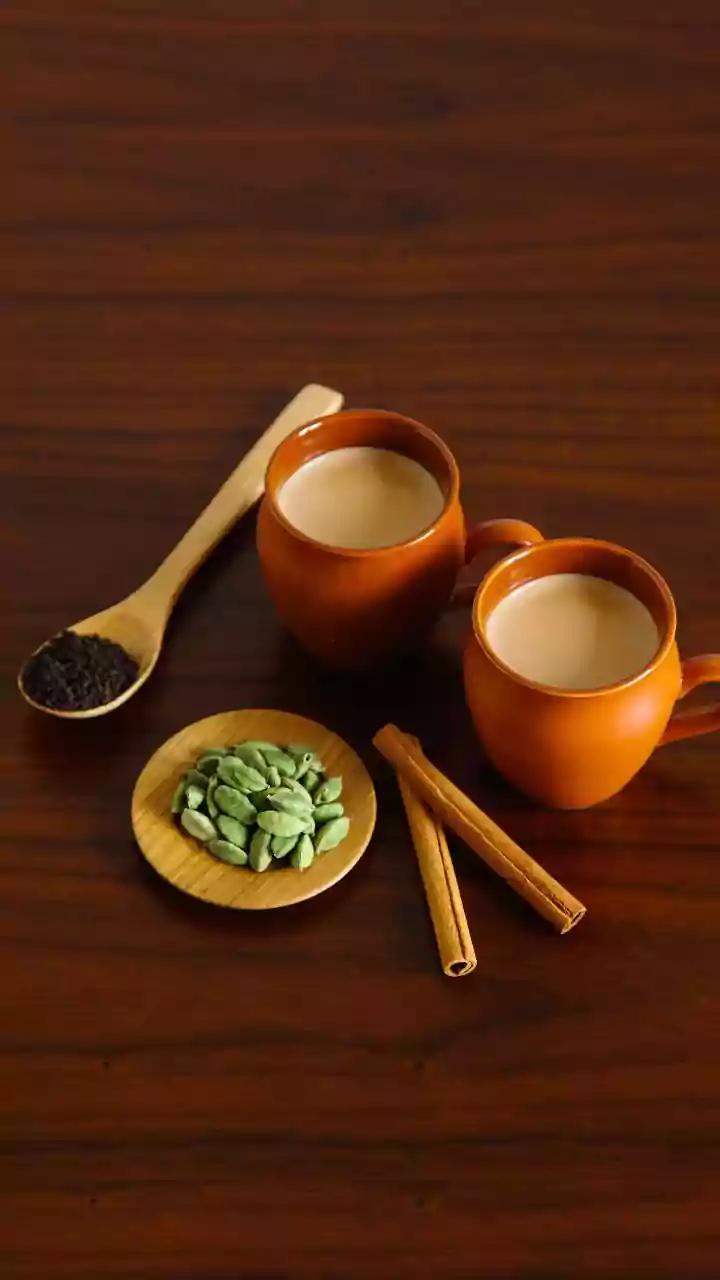
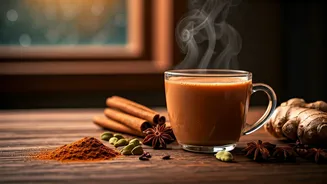
While the British popularised tea plantations in India to break China's monopoly, the beverage they promoted was typically black tea, often with a spot of milk and sugar. Masala chai, as we know it, is a quintessentially Indian innovation. It was an act of culinary rebellion and resourcefulness. Indians took the base ingredient and made it their own, adding a symphony of local spices like cardamom, cloves, cinnamon, ginger, and black pepper. This not only added layers of flavour but also aligned with Ayurvedic principles, where spices are valued for their health properties. It transformed a colonial import into a drink that is deeply, unmistakably Indian.
An All-Weather, All-Mood Companion
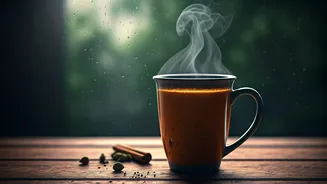
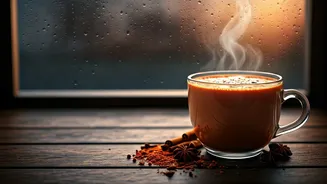
There is a chai for every season and every reason. A steaming cup of adrak-tulsi chai is the universal remedy for a common cold and a sore throat, a warm hug from the inside. A monsoon downpour feels incomplete without a cup of hot chai and a plate of pakoras. It’s the drink of celebration after a success and the quiet companion during moments of contemplation or sadness. Its versatility is its strength. The recipe is a canvas, not a rigid formula. Every family, every region, and every chai wallah has their own secret blend, a subtle variation that makes their chai unique. This adaptability ensures that chai is never boring; it’s always perfectly suited to the moment.
From Street Corner to High-End Cafe
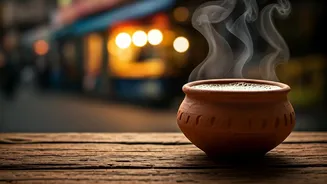
Chai’s enduring love story is also one of brilliant evolution. It thrives in every economic stratum. The five-rupee ‘chhotu’ served in a small glass (or a sustainable kulhad) on a street corner is as vital to India’s identity as the artisanal, gourmet chai blends served in high-end cafes for hundreds of rupees. This modern wave of ‘chai bars’ and cafes has given the humble drink a new, aspirational avatar, introducing variations like chocolate chai, lemongrass chai, and even iced chai lattes. Yet, this new-found glamour hasn't diminished the appeal of the original. It has only reinforced chai's incredible capacity to be both a simple, everyday comfort and a sophisticated, modern indulgence.