




What Exactly Are Hyper-Palatable Foods?
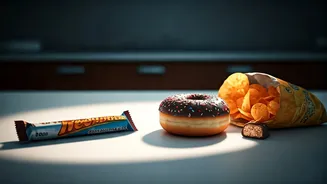
Hyper-palatable foods (HPFs) are items engineered to be intensely pleasurable to eat. They achieve this through specific, potent combinations of fat, sugar, sodium, and carbohydrates that are rarely found together in nature. Researchers have identified
three main clusters: foods high in fat and sodium (like bacon and pizza), those high in fat and sugar (like cakes and ice cream), and those high in carbohydrates and sodium (like chips, crackers, and pretzels). This isn't about one ingredient; it's about the synergistic effect that makes you want more, turning off your brain's natural "I'm full" signals. Many of these are ultra-processed, but even some home-cooked meals can become hyper-palatable when, for example, creamy, salty sauces are added.
The Science of Irresistibility
It’s not a failure of willpower; it’s a biological response. When you eat these foods, they activate the reward centres in your brain, triggering a release of dopamine, the 'pleasure chemical'. This is the same system that responds to other rewarding activities and even addictive substances. The problem is that these foods provide a reward signal that is far more intense than what you'd get from natural foods like an apple or a piece of grilled chicken. This intense pleasure signal can override your body's feelings of satiety or fullness, compelling you to keep eating even when you are no longer hungry. Over time, this can lead to a state where your brain craves the neurochemical reward rather than responding to your body's actual metabolic need for energy.
How They Sabotage Your Calorie Deficit
A calorie deficit is simple in theory: burn more calories than you consume. However, hyper-palatable foods make this incredibly difficult. Because they are often low in fibre and protein, they don't make you feel full. Their very design encourages you to eat more, and quickly. Studies show that when hyper-palatable foods are part of a meal, people consistently consume more calories, regardless of whether they are on a low-fat or low-carb diet. It’s easy to consume hundreds of extra calories in a single sitting without realizing it. A week of diligent dieting, creating a modest deficit of, say, 300 calories per day, can be completely undone by one large order of fries, a whole bag of chips, or a few slices of cake, which can easily pack over 1,000 calories. This one instance of overeating can wipe out several days of hard work.
Strategies to Reclaim Your Control
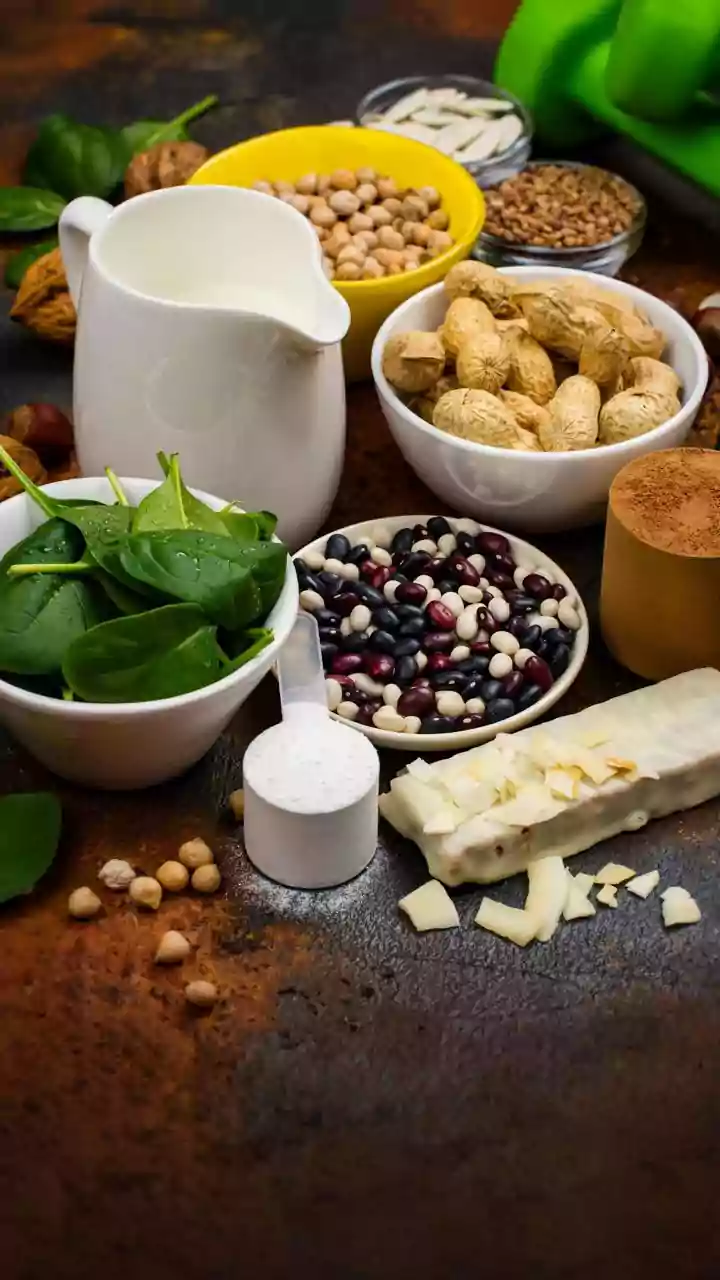
Fighting back against hyper-palatable foods requires conscious strategies, not just more willpower. First, focus on a diet rich in whole, unprocessed foods like fruits, vegetables, lean proteins, and whole grains. These foods are naturally more satiating. Second, become a label detective. Try to identify foods that fit the hyper-palatable criteria of high fat/sugar, high fat/sodium, or high carb/sodium combinations. Third, practice mindful eating. Pay attention to your food without distractions like your phone or TV. Eating slowly and chewing thoroughly gives your brain time to register fullness. Finally, don’t aim for perfection. Completely restricting these foods can lead to intense cravings and bingeing. Instead, plan for them as occasional, conscious treats in controlled portions, which can help you stay on track without feeling deprived.