

The Comeback Curd
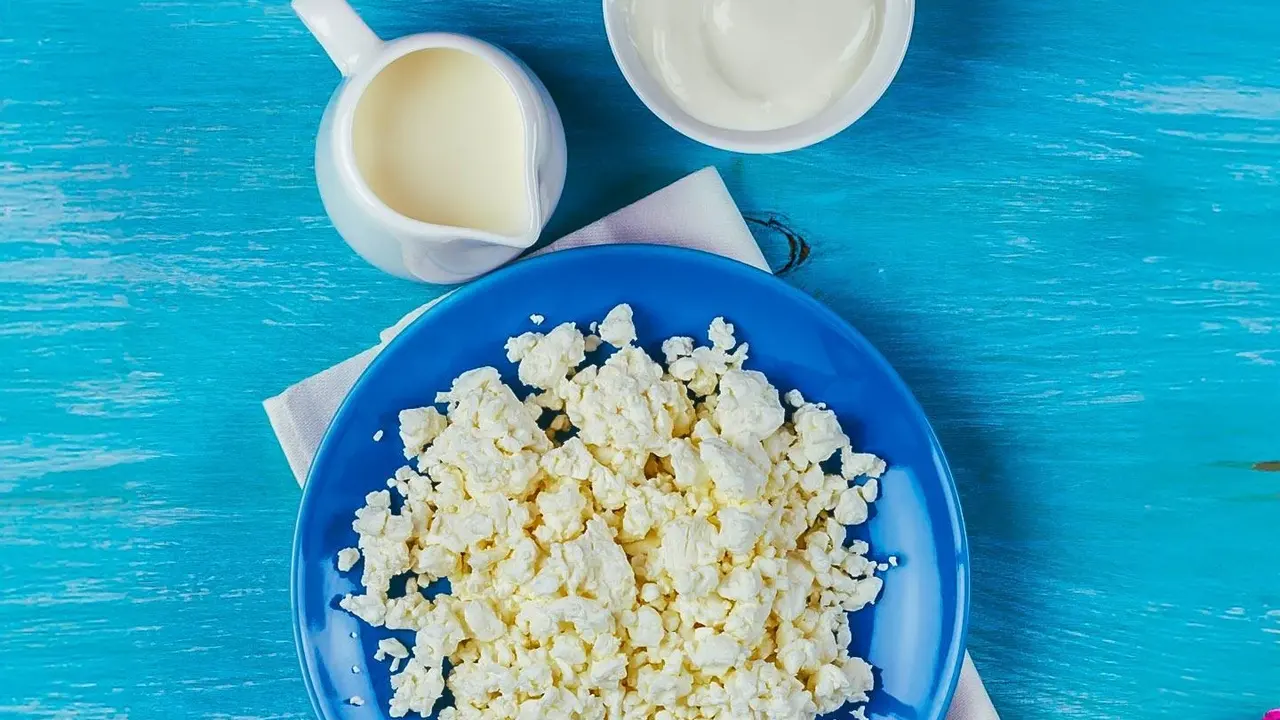
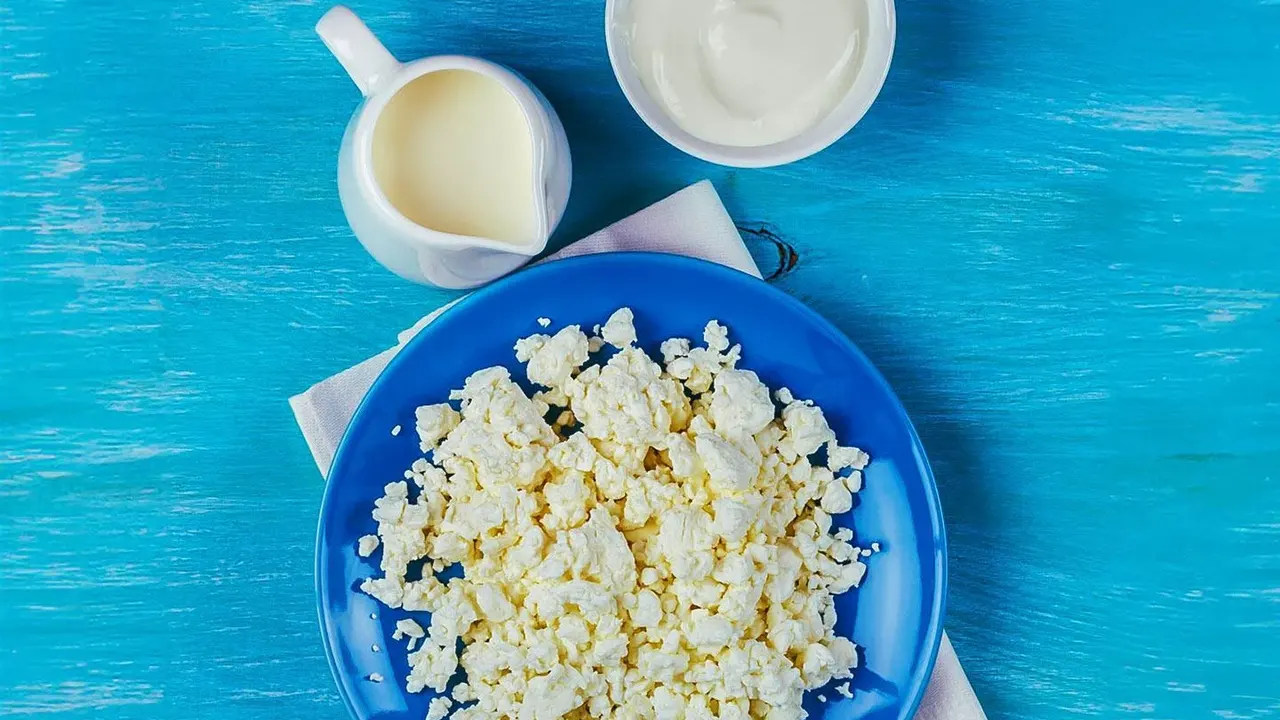
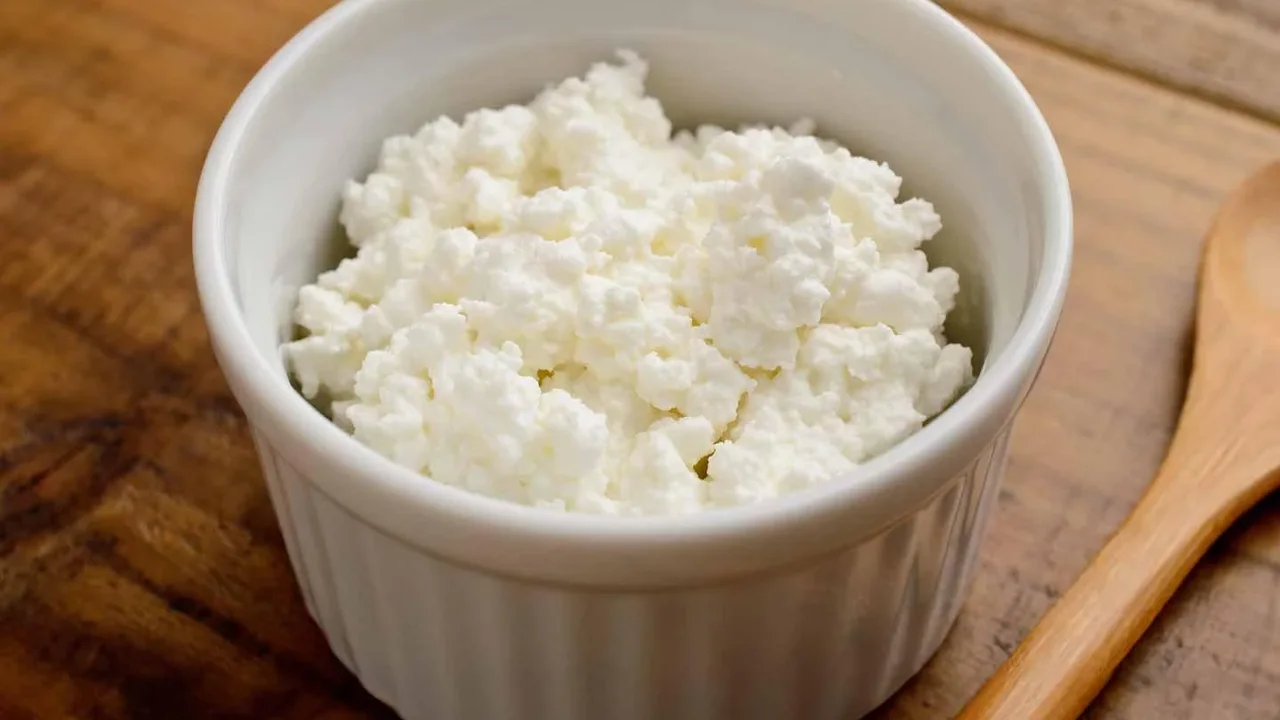
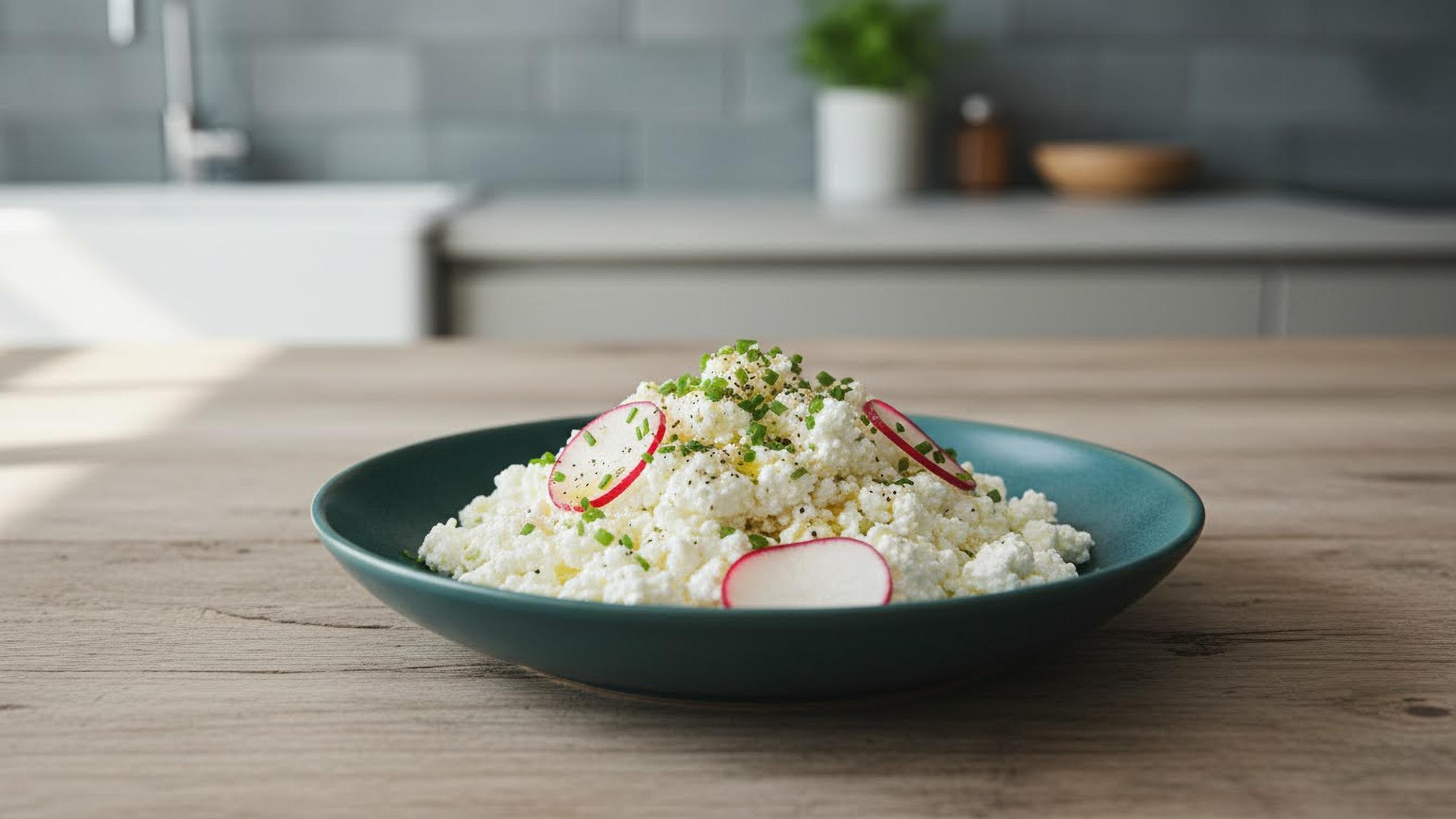
If you've scrolled through social media recently, you’ve likely seen it: cottage cheese blended into ice cream, whipped into pasta sauce, or spread on toast. This humble dairy product, long associated with the restrictive diets of the 1970s and 80s, has
shed its bland reputation to become a viral superstar. The hashtag #cottagecheese has billions of views, fueled by creative home cooks and wellness influencers showcasing its incredible versatility. This resurgence isn't just a fleeting trend; it reflects a broader shift in how we view food. Instead of just being a low-calorie diet tool, cottage cheese is now celebrated as a functional, nutrient-dense ingredient that can enhance meals, and sales figures show that people are buying in.
A True Protein Powerhouse
At the heart of cottage cheese's revival is its impressive protein content. A single half-cup serving can pack around 12 to 14 grams of high-quality protein, sometimes more than an egg or a serving of Greek yogurt. A significant portion of this is casein protein, which is digested slowly by the body. This slow-release property helps you feel fuller for longer, making it an excellent choice for managing hunger and supporting weight management goals. For fitness enthusiasts, this same protein is vital for muscle repair and growth, making it a perfect post-workout snack. The protein is also 'complete,' meaning it contains all the essential amino acids your body needs to thrive.
Beyond the Protein Punch
While protein is the main attraction, the nutritional benefits don't stop there. Cottage cheese is also an excellent source of essential minerals. It's rich in calcium and phosphorus, which work together to build and maintain strong bones and teeth. A serving also provides a significant amount of selenium, a powerful antioxidant, and vitamin B12, which is crucial for energy production and nerve function. For those monitoring their blood sugar, plain cottage cheese is a smart choice due to its low carbohydrate content and the stabilizing effect of its protein, which helps prevent sharp spikes in glucose levels. While it can be high in sodium, low-sodium versions are widely available for those who need to be mindful of their intake.
Unlocking Its Kitchen Versatility
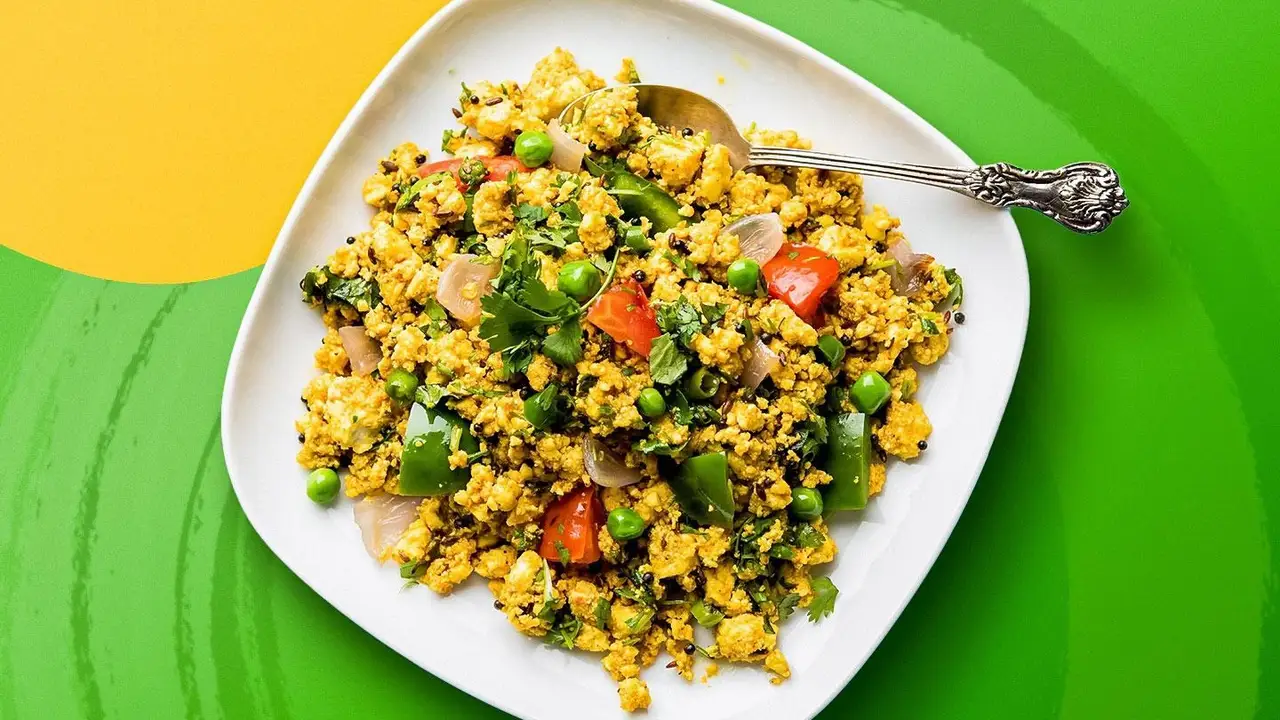
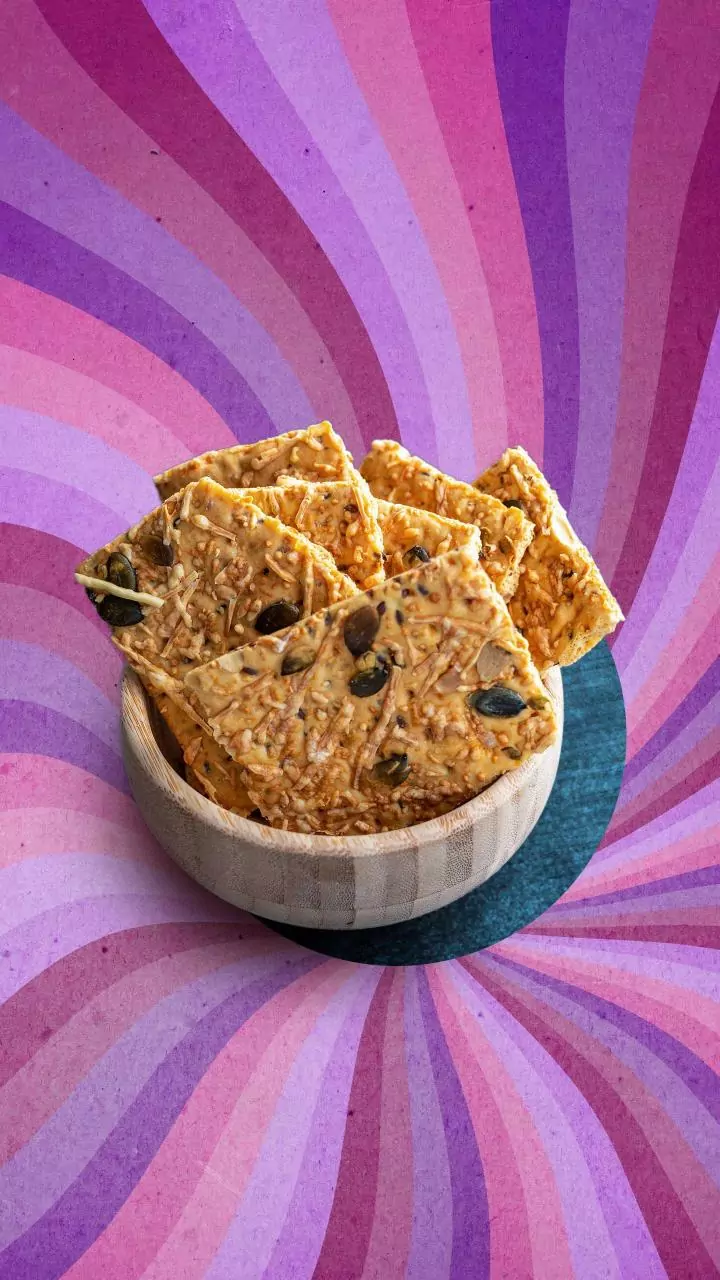
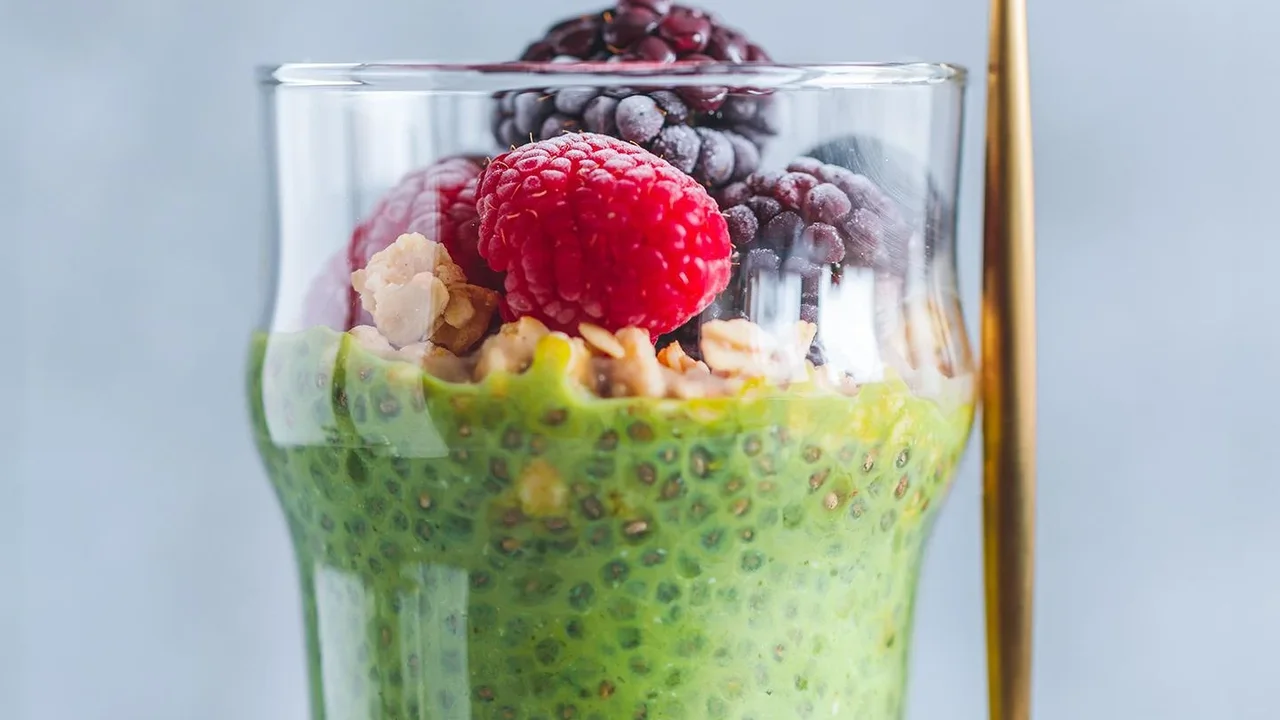
The key to cottage cheese's modern appeal is its newfound role as a culinary chameleon. For those wary of its lumpy texture, the solution is simple: blend it. Whipped until smooth, it becomes a creamy, protein-rich base that can replace sour cream, mayonnaise, or even ricotta cheese in many recipes. Social media is filled with ingenious uses, from three-ingredient pancakes and fluffy scrambled eggs to creamy pasta sauces and even brownies. It can be blended into smoothies for a protein boost, used as a dip for vegetables, or baked into savoury dishes like lasagna. This adaptability makes it easy to incorporate into any meal of the day, moving it far beyond its old pairing with a lonely peach half.
Making the Right Choice
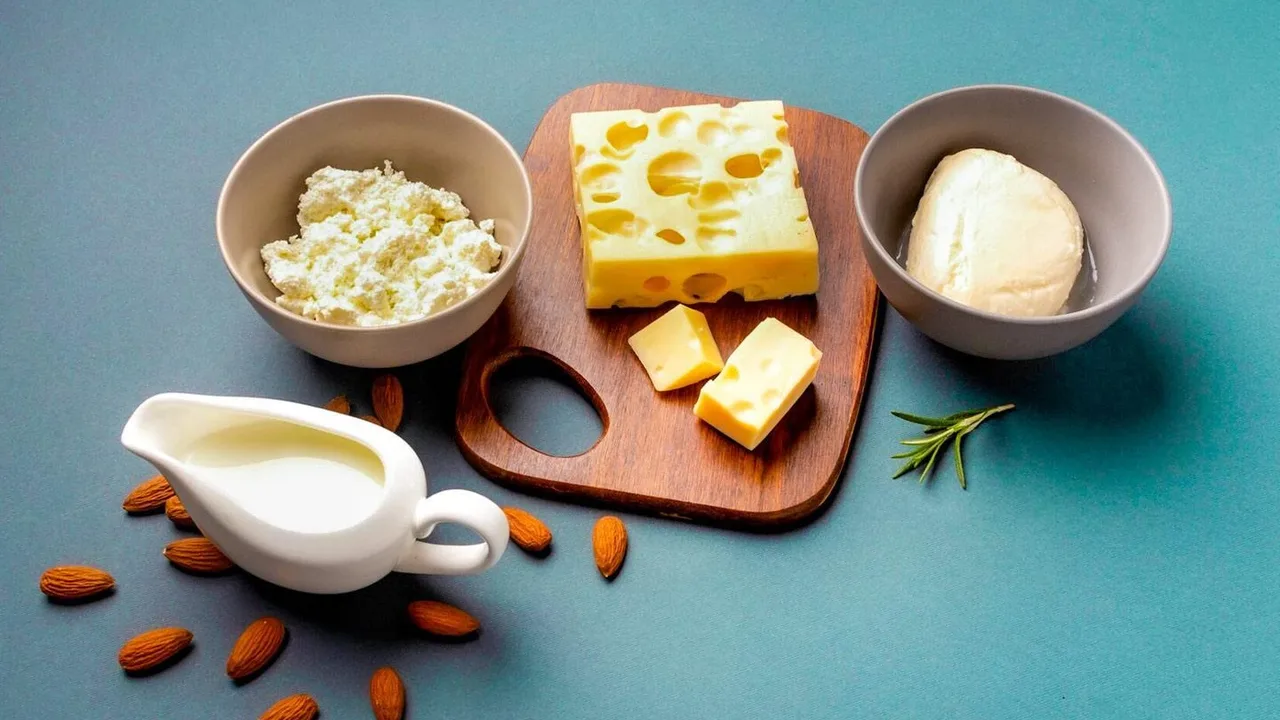
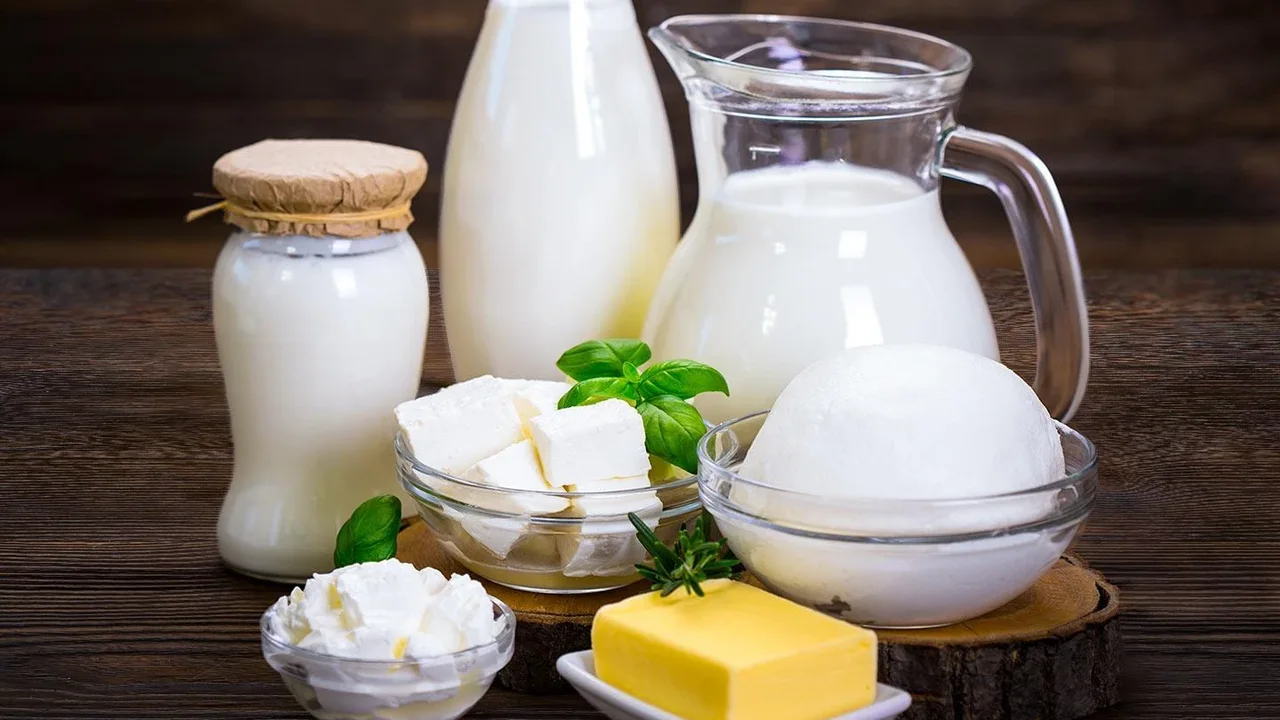
Navigating the dairy aisle, you'll find several types of cottage cheese. They primarily differ by fat content, ranging from nonfat to full-fat (often around 4% milk fat). The full-fat versions offer a richer taste and creamier texture, while low-fat options provide a similar protein punch with fewer calories. You may also see small-curd and large-curd varieties, which is a matter of personal texture preference. For added gut-health benefits, some brands contain live and active probiotic cultures, similar to yogurt, so it’s worth checking the label. Ultimately, the best choice depends on your personal health goals and taste preferences, but its core nutritional strengths remain consistent across the board.