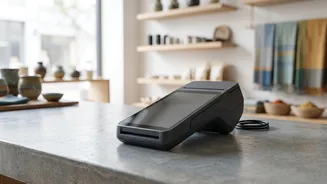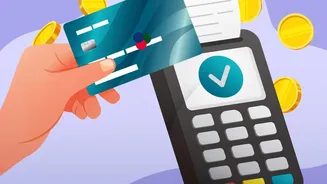






The humble cash register is quietly being sidelined. In local bookstores, neighborhood coffee shops, and independent boutiques across the country, a digital shift is underway. But this is about more than just convenience; it's a strategic move.
The Customer Is Always Right (and Rarely Carries Cash)
The most
powerful driver is simple: customer expectation. In 2023, cash accounted for only 16% of all transactions in the U.S., a steep drop from 32% in 2017. Consumers, particularly younger ones, have grown accustomed to the speed and ease of tapping a card or phone. A shopkeeper who can’t accept a customer's preferred payment method—be it a credit card or a mobile wallet like Apple Pay—risks losing a sale on the spot. By embracing digital options, small businesses aren't just modernizing; they're removing a major point of friction at checkout and ensuring they can compete with the seamless experience offered by larger retailers.
The Hidden Costs of Handling Cash
While credit card fees, which typically range from 1.5% to 3.5%, are a visible expense, the costs of handling cash are often hidden and substantial. Research suggests the true cost of cash can be much higher, factoring in employee time spent counting money, preparing bank deposits, and the risk of theft or human error. Going digital automates much of this process. Every transaction is automatically recorded, which simplifies bookkeeping and makes tax preparation less of a headache. For a small business owner whose time is their most valuable asset, reducing these administrative tasks is a significant operational win.
From Simple Sales to Smart Data
Modern point-of-sale (POS) systems do more than just process payments; they gather valuable data. For a small shopkeeper, this is like turning on the lights in a dark room. Digital transactions provide insights into which products are selling best, the busiest times of day, and even customer loyalty. This data allows owners to make smarter decisions about inventory, staffing, and marketing. Instead of relying on gut feelings, a baker can know for sure that Tuesday mornings are slowest and run a promotion accordingly. This ability to see and react to real-time business trends is a powerful tool that was once available only to large corporations.
Boosting Security and Improving Cash Flow
A drawer full of cash is a security risk, vulnerable to both internal and external theft. Digital payments mitigate this risk entirely. Furthermore, electronic transactions improve cash flow management. While there's a short wait for funds to clear, the process is predictable and easier to track compared to the lumpiness of cash deposits. This digital record-keeping provides a clearer, real-time view of revenue, which is crucial for managing expenses and planning for growth. Secure, encrypted transactions also build trust with customers who are increasingly wary of fraud.
The Hurdles Are Real, But Shrinking
The transition isn't without challenges. Transaction fees remain a primary concern, as they can eat into the thin profit margins common in small retail. Additionally, a reliable internet connection becomes a necessity, and navigating the various payment processors and their fee structures can be daunting. However, the technology has become more accessible and user-friendly over time. The rise of payment facilitators has simplified the process of setting up digital acceptance. As one study noted, the biggest barriers are often small, practical problems like installation and training, which are becoming easier to solve. For a growing number of shopkeepers, these hurdles are a small price to pay for the significant benefits.