





Beyond Traditional Sweetness
For generations, mithai has been defined by its comforting, often intense, sweetness. However, modern sweet-makers are recalibrating palates. The new philosophy moves away from overwhelming sugariness towards more balanced and nuanced profiles. Brands
like Arq Mithai and Bombay Sweet Shop are focusing on the integrity of their ingredients, allowing the natural tastes of premium nuts, milk, and grains to shine. This shift caters to a growing base of health-conscious consumers who desire indulgence without the guilt, often incorporating natural sweeteners like jaggery, dates, and honey.
The New Flavour Alchemists
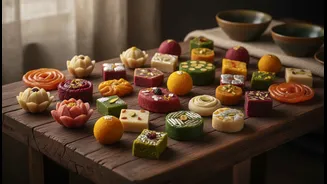
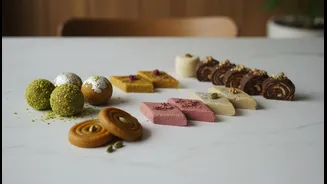
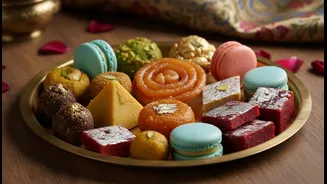
The most exciting frontier in this mithai renaissance is flavour. Traditional notes of cardamom, saffron, and rose now share the stage with a global pantry of ingredients. Imagine a dark chocolate and coffee barfi, a besan truffle with a Belgian chocolate centre, or a ladoo infused with lavender. Confectioners are fearlessly blending Indian traditions with international culinary trends. This has given rise to creations like apple cinnamon gujiyas, dulce de leche pedas, and even mojito-flavoured ladoos. These inventive combinations are attracting a new, younger audience and expanding the appeal of mithai beyond its traditional context.
Mithai as Edible Art
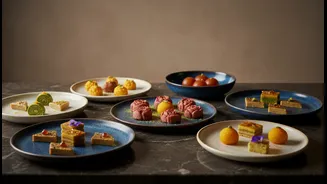
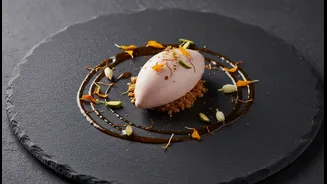
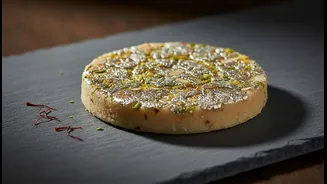
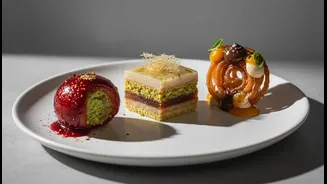
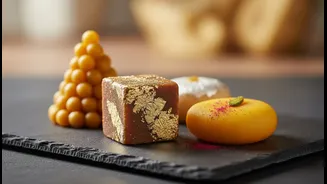
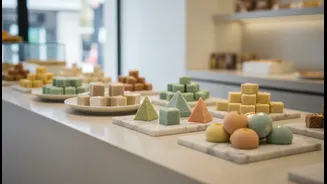
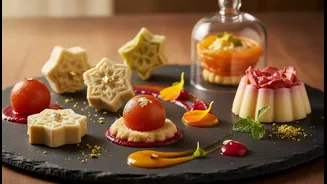
Presentation has become just as important as the sweet itself. Gone are the days of sweets being simply packed into a cardboard box. Today's artisanal mithai is treated like a luxury product. The aesthetic is often minimalist and elegant, with sweets shaped like polished truffles or geometric jewels. Brands like Khoya are known for their refined craftsmanship, while others focus on hand-painted edible art. The packaging has also received a major upgrade, with many brands opting for bespoke, beautifully designed boxes that make the act of gifting and unboxing a memorable experience. This focus on design elevates mithai into a premium, Instagram-worthy statement of style.
A New Generation of Halwais
Driving this transformation is a new class of entrepreneurs and chefs. Many are not traditional halwais, but rather pastry chefs with international training, designers, or food enthusiasts passionate about reviving their culinary heritage. The team behind Bombay Sweet Shop, for instance, comes from a background of running acclaimed modern Indian restaurants. Chefs Neha Lakhani and Ashay Dhopatkar of Arq brought their training in French pastry and European culinary arts to the world of mithai. Their goal is to create an Indian equivalent to a luxury patisserie, looking at familiar sweets through a new lens of creativity, play, and technical finesse.