







Why a Pre-Workout Check Matters
Public fitness equipment endures constant use, weather exposure, and occasional vandalism. Unlike a commercial gym where staff perform regular maintenance, outdoor equipment may go unchecked for long periods. Faulty equipment can lead to serious injuries
from falls or collapses, while worn-out parts can make exercises ineffective. A simple, two-minute inspection protects you from these risks. According to safety experts, regular checks for issues like rust, loose parts, and structural damage are the foundation of safe public recreation. Taking a moment to verify the equipment's integrity is the first and most important step of any outdoor fitness routine.
The Initial Visual Sweep
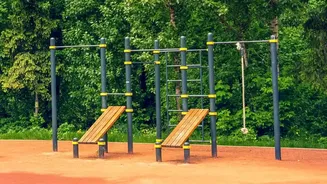
Start with a hands-off visual scan of the equipment you plan to use. Look for obvious signs of damage from a distance and then up close. Check for significant rust or corrosion, especially at joints and welds, which can weaken the metal. Look for any missing or broken parts, like grips, foot pedals, or seats. Scan for sharp edges, splintered wood, or cracked plastic that could cause cuts or pinches. Also, check for any graffiti or vandalism that might hide underlying damage. This initial look can help you spot major red flags before you even touch the equipment.
The Hands-On Inspection
If the equipment passes the visual test, it's time for a gentle, hands-on check. Firmly push and pull on the main frame to ensure it is securely anchored to the ground and doesn't wobble or shift. Check that any bolts, nuts, and screws are tight and not protruding in a way that could snag clothing. For equipment with moving parts, such as a leg press or lat pulldown machine, operate it slowly without your full body weight to ensure the movement is smooth, not jerky or grinding. Listen for unusual sounds like squeaking or rattling, which could indicate a need for lubrication or a loose part.
Assess the Surrounding Area
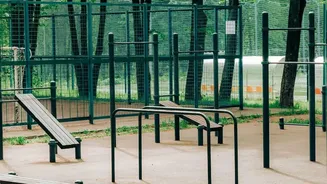
Your safety isn't just about the equipment itself; the surrounding environment is equally important. Inspect the ground surface directly under and around the fitness station. It should be level and free of tripping hazards like exposed concrete footings, rocks, or tree roots. Ideally, the surface should be an impact-absorbing material like rubber tiles or wood chips, especially for equipment where you might fall. Clear the area of any litter, broken glass, or other debris that could cause a slip or injury. Also ensure there is adequate space around the machine to perform exercises without hitting other structures or people.
Specific Equipment Considerations
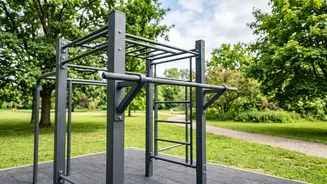
Different machines have unique points of failure. For pull-up and dip bars, give them a strong shake to test for stability. For machines with seats or pedals, check that they are firmly attached and that any rubber coverings are intact for a secure grip. On equipment that relies on bodyweight resistance, ensure that any limiting blocks or safety stops are present and functioning correctly to prevent over-extension. Never use equipment if safety features, such as handles or guards, appear to be missing or compromised.
When You Find Unsafe Equipment
If you discover a piece of equipment is unsafe, do not use it. It's not worth the risk of injury. If possible, find a way to mark it as out-of-order to warn others. The responsible and helpful next step is to report the issue. Look for a posted sign with contact information for the local parks department or council responsible for maintenance. Take a photo of the damage and note the equipment's location to include in your report. Reporting hazards helps protect your community and ensures these valuable public resources remain safe for everyone to enjoy.