

Start With A Plan
The most critical step in creating a water-wise garden happens before you even touch a shovel. Take time to observe your space. Notice which areas get baked in the afternoon sun and which remain cool and shady. This is the foundation of a design principle
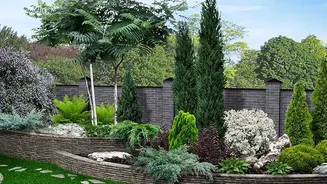
called hydrozoning. A thoughtful plan maps out these microclimates, allowing you to group plants with similar needs together. This prevents you from planting a water-loving fern next to a sun-worshipping succulent, a common mistake that leads to inefficient watering and unhappy plants. A simple sketch of your garden, noting sun exposure and existing features, can become a blueprint for a more resilient and water-efficient landscape.
It All Begins With Soil
Healthy soil is the cornerstone of a low-water garden. Soil that is rich in organic matter acts like a sponge, absorbing water and holding it for plant roots to access over a longer period. Before planting, work generous amounts of compost or well-aged manure into your garden beds. This not only improves water retention but also enhances soil structure, boosts nutrient levels, and encourages a healthy root system. Mulching is the second half of this equation. Applying a thick layer (about 3 inches) of organic mulch like bark chips or straw on top of the soil reduces evaporation, keeps roots cool, and suppresses weeds that compete with your plants for water.
Choose Your Champions Wisely
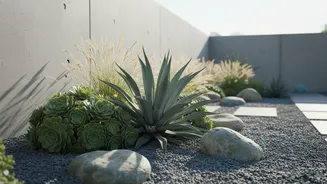
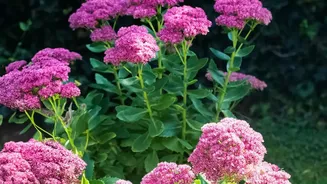
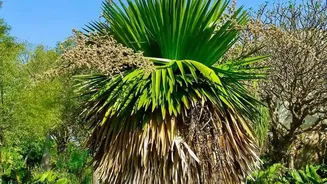
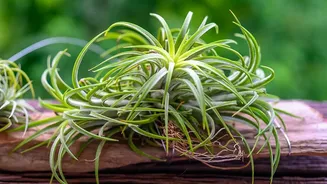
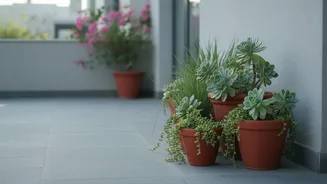
The heart of a low-water garden is its plants. The key is to select plants that are naturally adapted to thrive with less water. Native plants are often an excellent choice as they are already suited to the local climate and soil conditions. For Indian gardens, this opens up a world of vibrant, resilient options. Think of the stunning, papery bracts of Bougainvillea, the cheerful clusters of Lantana, or the hardy and ever-blooming Vinca (Sadabahar). Succulents and cacti are obvious choices for the driest, sunniest spots. Many herbs also perform well in low-water conditions. By choosing the right plant for the right place, you work with nature, not against it, creating a garden that flourishes with minimal intervention.
Rethink The Traditional Lawn
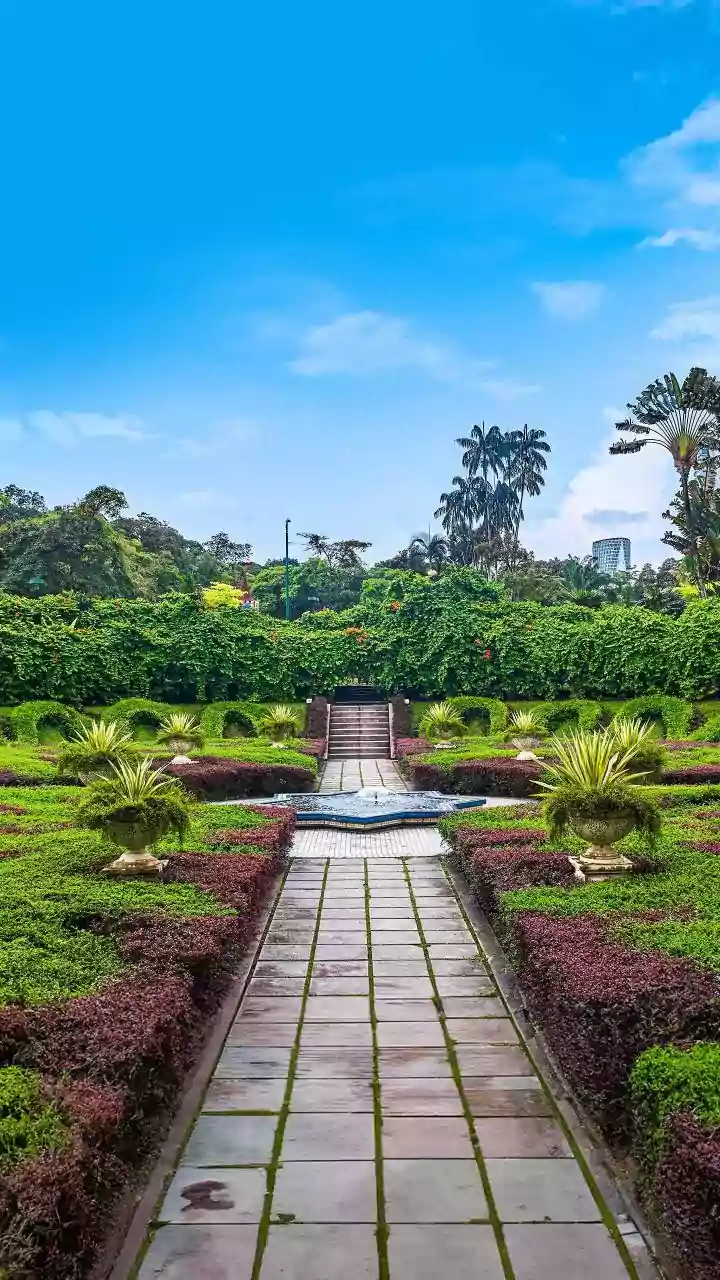
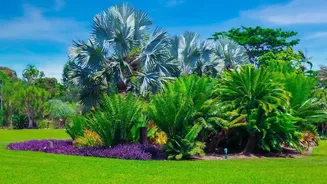
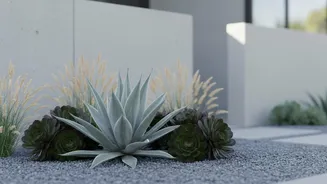
Lush green lawns are often the thirstiest part of any garden, demanding huge amounts of water to stay green, especially during hot, dry spells. A key design lesson from the low-water shift is to critically evaluate how much lawn you truly need. Consider reducing the size of your turfgrass area to just what's necessary for recreation or aesthetic balance. For the remaining areas, you can introduce beautiful and practical alternatives. Drought-tolerant groundcovers can create a green carpet without the high water demand. You can also replace parts of the lawn with attractive gravel paths, a paved patio area for seating, or expanded garden beds filled with low-water perennials and shrubs.
Water Smarter, Not Harder
The final piece of the low-water design puzzle is efficient irrigation. The goal is to deliver water directly to the plant's root zone, minimizing loss to evaporation and runoff. Drip irrigation and soaker hoses are champions of efficiency, slowly releasing water right where it's needed. These systems can use 30-50% less water than traditional overhead sprinklers. The timing of your watering also matters. Watering early in the morning is most effective, as cooler temperatures mean less water is lost to evaporation. It’s also better to water deeply and less frequently. This encourages plants to develop deep, strong roots, making them more resilient during dry periods.