
The morning rush often leaves breakfast as an afterthought, leading to skipped meals or unhealthy choices. But a nutritious start is crucial for a productive day. These traditional Indian breakfasts are packed with flavour and essential nutrients.
Poha: Light, Filling, and Rich in Iron
Hailing
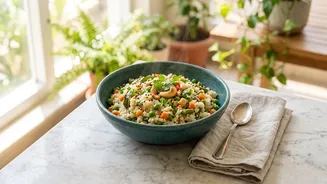
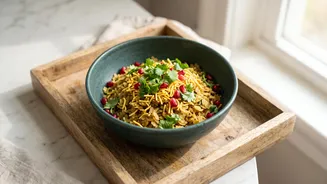
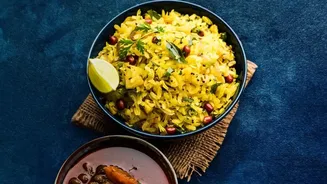
from Maharashtra, poha is a beloved breakfast dish made from flattened rice. It’s incredibly light on the stomach yet satisfyingly filling, making it a perfect start to any day. The preparation is swift: the flattened rice is quickly rinsed and then sautéed with mustard seeds, turmeric, onions, and often green peas. The primary nutritional benefit of poha is its high iron content, which is partly due to the production process where rice passes through iron rollers. This makes it an excellent choice for preventing iron deficiency. Poha is also a source of healthy carbohydrates that provide sustained energy, and it's gluten-free and easy to digest. For a busy morning, you can save time by pre-chopping vegetables like onions and carrots. A final squeeze of lemon juice not only adds a zesty flavour but also helps your body absorb the iron more effectively.
Upma: The Comforting Semolina Powerhouse
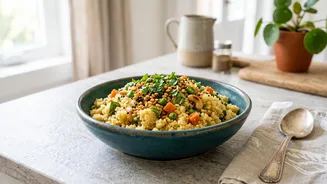
Upma is a thick, porridge-like dish popular across South India, made from dry-roasted semolina (rava or suji). Its savoury and comforting nature makes it a breakfast staple. A basic upma involves cooking the roasted semolina with a tempering of mustard seeds, curry leaves, onions, and ginger. You can easily boost its nutritional value by adding a variety of finely chopped vegetables like carrots, peas, and beans. Semolina is a good source of protein, iron, and B vitamins, which are vital for energy metabolism. While a simple vegetable upma contains a moderate amount of calories, it is rich in fibre, which promotes a feeling of fullness. To make it on a busy morning, you can dry-roast a large batch of semolina over the weekend and store it in an airtight container. This simple step cuts down the cooking time significantly, bringing this wholesome meal to your table in minutes.
Idli with Sambar: A Fermented Wonder
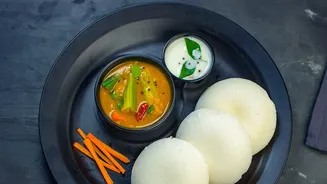
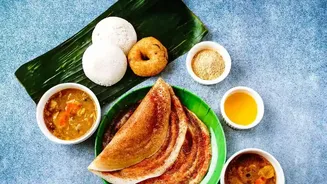
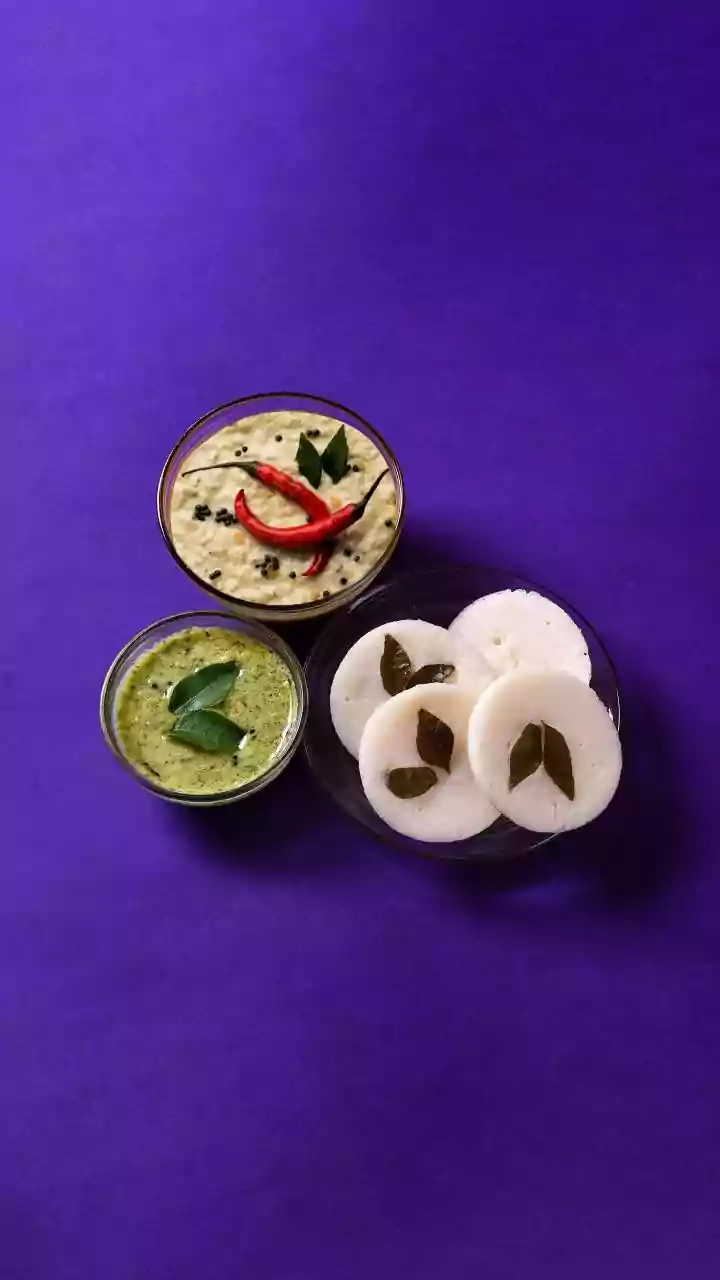
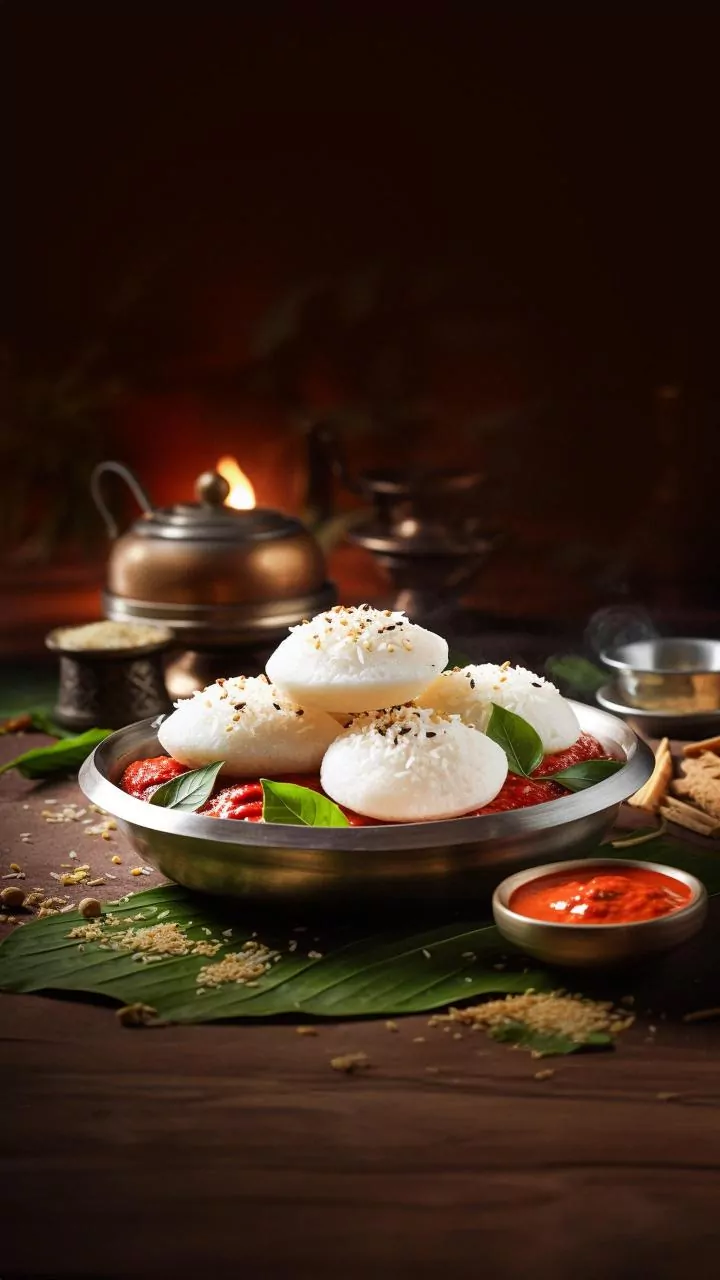
Idli is a soft, fluffy steamed cake made from a fermented batter of rice and urad dal (black lentils). This South Indian classic is considered one of the healthiest breakfast options available. The fermentation process breaks down the starches and proteins, making idlis very easy to digest and enhancing the bioavailability of nutrients. They are naturally low in fat and calories. When paired with sambar—a flavourful stew made with lentils and a medley of vegetables—it becomes a complete meal. The idli provides carbohydrates and protein, while the sambar contributes additional protein from the dal and a host of vitamins and minerals from the vegetables. For those with hectic schedules, using a store-bought, ready-made batter or preparing a large batch of batter over the weekend makes whipping up fresh idlis a breeze.
Moong Dal Chilla: The High-Protein Pancake
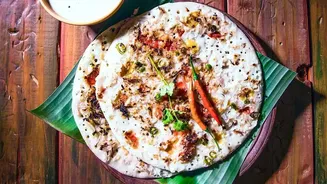
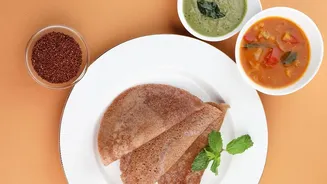
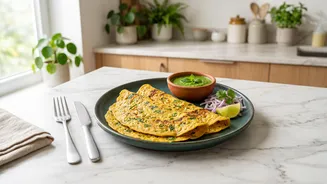
For a breakfast that is guaranteed to keep you full until lunch, look no further than the Moong Dal Chilla. This savoury pancake from North India is made from a batter of soaked and ground moong dal (split mung beans). It's a fantastic source of plant-based protein, which is essential for muscle repair and satiety. Besides protein, moong dal is rich in dietary fibre, which aids digestion and helps in regulating blood sugar levels. Chillas are also low in calories, making them an excellent choice for weight management. To prepare them, the batter is seasoned with spices like turmeric and cumin, and often includes additions like chopped onions and coriander. The batter can be prepared the night before and refrigerated, making the morning cooking process as simple as making a pancake. Serve it with a side of curd or mint chutney for a delicious and balanced meal.
Methi Thepla: The Nutritious Flatbread
Thepla is a soft, spiced flatbread from Gujarat, and the version made with fresh fenugreek leaves (methi) is particularly nutritious. Made with whole wheat flour, thepla is a great source of dietary fibre, which supports digestive health. The addition of methi leaves provides a significant boost of iron, vitamins, and minerals. These flatbreads are versatile and can be eaten on their own, with a side of plain yogurt, or with a pickle. One of the biggest advantages of thepla for busy individuals is its shelf life. You can make a large batch over the weekend, and they will stay fresh for several days when stored properly. This makes them a perfect grab-and-go breakfast option for those mornings when you have absolutely no time to cook.