



Make a Sweet Treat: Candied Lemon Peel
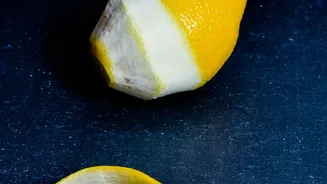
One of the most classic ways to use lemon peels is to candy them. This process transforms the bitter rind into a sweet, chewy treat perfect for snacking, garnishing desserts, or chopping into baked goods. To make them, slice your peels into thin strips,
making sure to remove the bitter white pith. You'll need to boil the peels, sometimes multiple times in fresh water, to soften them and reduce bitterness. After boiling, the peels are simmered in a simple syrup of sugar and water until they become soft and translucent. Once cooked, remove them from the syrup and let them dry on a wire rack. For an extra sweet crunch, you can roll the sticky peels in granulated sugar before they dry completely. The leftover lemon-infused syrup is a bonus and can be used to sweeten teas or cocktails.
Create a Pantry Staple: Lemon Powder
Imagine having concentrated lemon flavour ready to go at a moment's notice. By making lemon powder, you can. This is a fantastic way to preserve peels indefinitely. The process is simple: dry the peels completely. You can do this by leaving them out on a counter for a couple of days, using a dehydrator, or placing them in an oven on its lowest setting. For an even deeper flavour, you can gently roast the dried peels until they are golden. Once they are brittle and completely dry, simply grind them into a fine powder using a spice grinder, blender, or a mortar and pestle. This vibrant powder can be used in place of fresh zest in almost any recipe, from baked goods and marinades to soups and stews, adding a bright kick of citrus anytime.
Infuse Flavour: Lemon Oil and Syrup
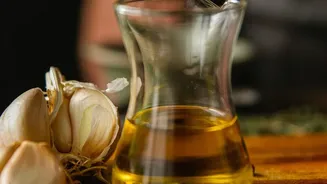
Infusing liquids with lemon peel is an incredibly simple way to capture their aromatic essence. For a savoury option, create lemon-infused olive oil. Gently warm high-quality olive oil in a saucepan with large strips of lemon peel, being careful not to get the oil too hot—you want to infuse, not fry. After about 10-15 minutes on low heat, let the oil cool completely, then strain out the peels. This fragrant oil is perfect for salad dressings or drizzling over roasted vegetables and fish. For a sweet infusion, make a lemon simple syrup. Just combine lemon peels and sugar in a jar and let it sit for a few hours, stirring occasionally. The sugar will draw out the oils, creating a naturally citrusy sweetener perfect for lemonade, iced tea, or cocktails.
Brighten Your Drinks: Zesty Additions
Lemon peels can elevate your beverages, from a simple glass of water to a morning cup of tea. For a refreshing drink, just add leftover rinds to a pitcher of water in the fridge. For something warmer, you can make a simple lemon peel tea. Use a vegetable peeler to get thin strips of zest (avoiding the white pith), and place them in a mug. Pour hot water over the peels and let them steep for five to ten minutes. You can also dry the peels in a low oven to create a supply for later use. For an even quicker flavour boost, freeze small pieces of lemon peel in ice cube trays. These citrus-infused cubes are a great way to add a subtle, refreshing twist to water, juice, or cocktails as they melt.
Go Beyond the Kitchen: All-Purpose Cleaner
The power of lemon peels isn't limited to food. Their natural antibacterial properties and fresh scent make them a perfect ingredient for a homemade, non-toxic cleaning spray. Simply fill a glass jar with your leftover lemon peels and pour white vinegar over them until they are completely submerged. Seal the jar and let it infuse in a cool, dark place for two to three weeks. The vinegar will draw out the lemon's natural cleaning oils, known as d-limonene, which is a solvent that helps cut through grease. After the infusion period, strain the liquid to remove the peels. Dilute the citrus-vinegar concentrate with an equal amount of water, pour it into a spray bottle, and you have an effective, great-smelling cleaner for countertops, floors, and windows.