






More Than Just a Pretty Picture
In the frantic hours after a pet goes missing, a clear photo is your first and best tool for communication. It’s the centerpiece of any lost-pet flyer, the anchor of every social media post, and the first thing you’ll show to neighbours, watchmen, and local
vendors. While your phone is likely full of cute close-ups and funny sleeping poses, the most effective photo for a search is one that clearly and accurately shows what your pet looks like. A good picture instantly removes ambiguity and helps strangers correctly identify a lost animal, which is critical when time is of the essence. It’s not just for human eyes; a clear photo is also essential for a growing number of digital services that use technology to aid in the search.
The Anatomy of a Perfect ID Photo
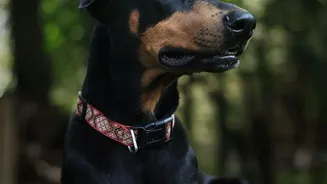
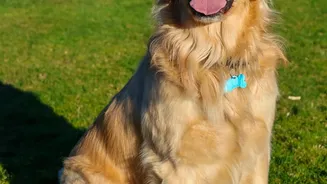
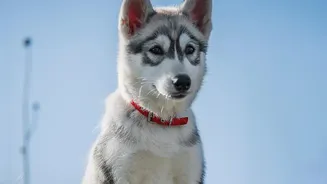
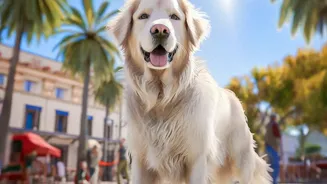
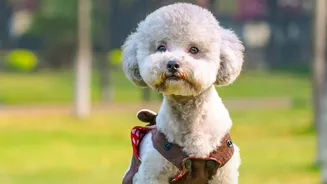
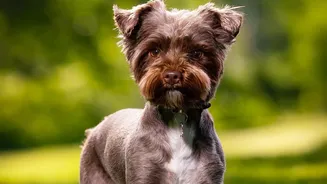
Not all photos are created equal in a search. Taking the right kind of picture is a proactive step you can take today. The ideal photo should be a full-body shot of your pet standing, as this shows their size, build, and posture. Make sure the photo is well-lit, in sharp focus, and taken against a simple, contrasting background—a light background for a dark pet, and vice versa. Capture both sides of your pet if they have different markings. Additionally, take close-ups of any unique features like scars, distinctive spots, or ear shapes. Most importantly, the photo must be recent. A picture from two years ago might not reflect your pet’s current weight, coat length, or any new marks, making identification harder. A vertical shot often works best for flyers and social media feeds.
Putting Your Photo to Work
When a pet is lost, that perfect photo becomes your primary asset. Immediately use it to create digital and physical flyers with the words “LOST PET” in large letters, your pet’s name, where they were last seen, and your contact number. Share this flyer widely on local WhatsApp groups, neighbourhood Facebook pages, and Instagram. These community networks are often the fastest way to spread the word. Furthermore, upload the photo to national lost-and-found databases and apps. Services like Petco Love Lost use artificial intelligence to scan your pet’s photo for unique facial features and match it against photos of found animals submitted by shelters and individuals across the country. This technology acts as a virtual search party, constantly scanning for a match.
A Simple Task for Today
The best time to prepare for a crisis is before it happens. Take five minutes today to take a series of clear, well-lit identification photos of your pet. Don’t wait until you need them. Think of it like backing up your computer or checking the batteries in your smoke detector—a simple bit of maintenance that can prevent immense heartache. Store these photos in a dedicated album on your phone and consider emailing them to yourself or a family member so they are always accessible. Make it a habit to update these photos every six months or so, especially for puppies and kittens who change quickly. This small, proactive step ensures you are ready to act immediately and effectively if the unthinkable happens.
Beyond the Picture: A Complete Safety Net
While a photo is a powerful tool, it works best as part of a comprehensive safety strategy. The single most effective measure for pet recovery is a microchip, a tiny implant with a unique ID number that can be scanned by any vet or shelter. Ensure your pet is microchipped and that your contact information in the registry is always up to date. Secondly, your pet should always wear a collar with a clearly engraved ID tag that includes your name and current phone number. In India, some services even offer QR code tags that link to a detailed online profile. These physical identifiers provide the quickest path to a reunion, often without the need for a wider search. The photo, the chip, and the tag together form a robust safety net for your beloved companion.