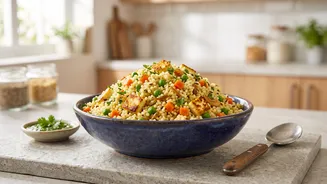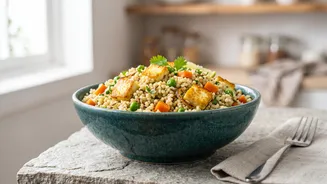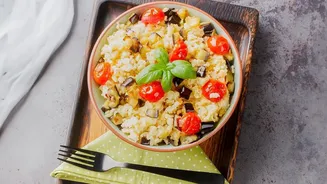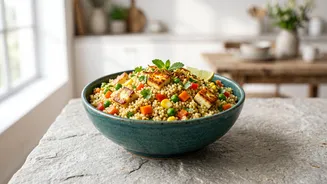


Tired of the same old lunch routine? A warm, flavourful millet pulao is a simple, satisfying, and incredibly nutritious alternative to rice or wheat. Here’s how you can make this ancient grain a star player in your modern kitchen.
Why Make the Switch to Millets?
For centuries, millets
were a staple in Indian kitchens before rice and wheat became dominant. Now, these tiny grains are making a major comeback, and for good reason. Millets are nutritional powerhouses packed with fibre, protein, vitamins, and essential minerals like magnesium, iron, and potassium. Unlike refined grains, they are naturally gluten-free and have a low glycemic index, which means they release energy slowly, keeping you feeling full and energized for longer without causing sharp spikes in blood sugar. Their high fibre content is excellent for digestive health, promoting regular bowel movements and feeding the good bacteria in your gut. Furthermore, the antioxidants and soluble fibre in millets contribute to heart health by helping manage cholesterol levels.
A Quick Guide to Common Millets
The world of millets is diverse, with each type offering a unique texture and flavour. Getting to know a few common varieties can make it easier to start cooking with them. Major millets like Jowar (Sorghum) and Bajra (Pearl Millet) are often used in rotis, especially in western and central India. Minor millets, sometimes called 'positive millets' because they are lighter and easier to digest, are perfect for rice-style dishes. These include: Foxtail Millet (Kangni/Thinai): Great for sustained energy.; Kodo Millet (Varagu): Often used in pongal and upma.; Little Millet (Samai): A versatile grain that cooks quickly.; Barnyard Millet (Kuthiraivali): Light and fluffy when cooked, making it an excellent rice substitute.
Easy One-Pot Millet Pulao Recipe
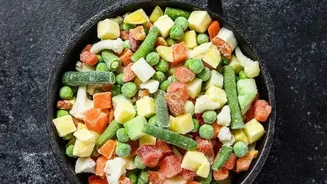
This simple, adaptable recipe is the perfect introduction to cooking with millets. It uses Kodo Millet, but you can easily substitute it with foxtail, little, or barnyard millet. The key is the grain-to-water ratio, which is typically 1:2. Ingredients: - 1 cup Kodo Millet (or another small millet) - 2 cups water or vegetable broth - 1 tbsp ghee or oil - 1 small onion, thinly sliced - 1 cup mixed vegetables (carrots, peas, beans, potatoes) - 1 tsp ginger-garlic paste - 2 green chillies, slit - A handful of fresh mint and coriander leaves - Whole spices: 1 bay leaf, 2 cloves, 2 cardamom pods - Salt to taste Instructions: 1. Rinse the millet thoroughly in water 3-4 times until the water runs clear. Soaking for 15-20 minutes can result in a fluffier texture. 2. Heat ghee or oil in a pressure cooker. Add the whole spices and let them sizzle. 3. Add the sliced onions and green chillies. Sauté until the onions turn soft and translucent. 4. Stir in the ginger-garlic paste and cook for a minute until the raw aroma disappears. 5. Add the mixed vegetables, mint, and coriander, and sauté for two minutes. 6. Drain the soaked millet completely and add it to the cooker. Stir gently to mix with the vegetables and spices. 7. Pour in the water or broth, add salt, and bring the mixture to a boil. 8. Close the pressure cooker and cook on a medium flame for 1-2 whistles. Let the pressure release naturally before opening. 9. Gently fluff the pulao with a fork. Garnish with more coriander and a squeeze of lemon juice before serving.
Tips for Perfect, Fluffy Pulao Every Time
Cooking millets can seem tricky at first, as they can sometimes become mushy. The secret to fluffy, separate grains lies in a few simple techniques. First, always rinse your millets well to remove any dust or bitterness. Toasting the dry grains in the pan for a few minutes before adding water can enhance their nutty flavour and help the grains separate after cooking. Adhering to the correct water ratio is crucial; a 1:2 ratio of millet to water is a reliable starting point for pulao. After cooking, let the pulao rest with the lid on for about 10 minutes before fluffing it with a fork. This allows the grains to absorb any remaining steam and firm up.
Making Millets a Regular Habit
Including millet pulao in your lunch rotation is just the beginning. To make whole grains a consistent part of your diet, start small. Begin by swapping rice with millet for one or two meals a week. You can cook a larger batch of plain millet and store it in the refrigerator for up to a week to add to salads, soups, or stirfries. Experiment with different types of millets to enjoy a variety of nutrients and flavours. For breakfast, try making millet porridge or adding millet flour to dosa or idli batter. By pairing millets with plenty of vegetables and protein sources like dal, paneer, or legumes, you can create balanced than satisfying than truly wholesome meals every day.