



The Rise of the Balcony Gardener
In a city known for its vibrant culture and soaring temperatures, many Chennai residents are transforming their limited outdoor spaces into lush, productive gardens. This growing movement isn't just about aesthetics; it's a practical response to modern
urban challenges. With rapid urbanisation straining resources, there is a rising environmental awareness and a collective desire for a healthier, more sustainable lifestyle. Initiatives like the Chennai Urban Farming Initiative (CUFI) have been conceptualised to turn thousands of acres of rooftops and vacant urban spaces into productive gardens. This trend proves that you don't need a large backyard to connect with nature and enjoy the benefits of fresh produce. For many apartment dwellers, a few pots on a balcony are the first step towards a greener way of living.
Sustainability in a Pot
At its heart, apartment herb farming is an act of sustainability. Growing your own herbs drastically reduces your carbon footprint by cutting down on 'food miles'—the distance your food travels from farm to plate. This means less transportation, less packaging, and less waste. Many urban gardeners also embrace organic practices, using natural compost from kitchen scraps and avoiding chemical pesticides. This approach not only contributes to a healthier environment but also ensures the food you eat is pure and free from harmful residues. Furthermore, integrating green spaces into buildings helps mitigate the urban heat island effect, with studies in Chennai showing that a garden can cool the room below it by several degrees.
The Convenience of Fresh Flavours
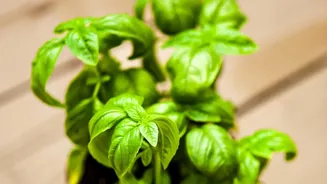
Imagine needing fresh mint for your morning chutney or a sprig of basil for your pasta sauce, and simply stepping out onto your balcony to pluck it. This is the convenience that apartment herb farming offers. There are no last-minute trips to the store, and the flavour and aroma of freshly harvested herbs are unparalleled. Having a kitchen herb garden is a trend soaring in Indian cities, providing fresh flavours right at your fingertips. This immediate access not only elevates your cooking but also encourages healthier eating habits by making fresh ingredients a staple in your kitchen. From the cooling taste of mint to the peppery scent of holy basil (tulsi), these plants add both functionality and fragrance to your home.
Your Chennai Herb Starter Guide
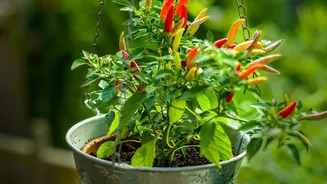
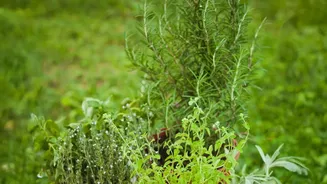
Getting started is easier than you think, even in Chennai's warm climate. Many herbs thrive in the city's conditions. Holy Basil (Tulsi) is a must-have, revered for its cultural significance and hardiness. Mint (Pudina) is another easy-to-grow herb that proliferates quickly and is perfect for beverages and chutneys. Coriander (Kothamalli), a staple in Indian cooking, can be grown for both its leaves and seeds. Curry Leaves (Karuveppilai) are essential to South Indian cuisine and grow well in pots with enough sunlight. Other great options include chillies, lemongrass, and various types of spinach (keerai). Many of these can be grown from seeds or saplings readily available at local nurseries.
Setting Up Your Green Corner
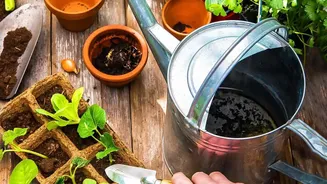
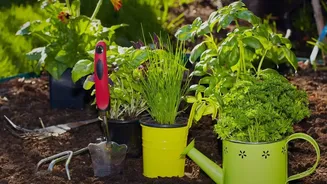
You don't need expensive equipment to start your herb garden. Begin with a few key items: containers with drainage holes (terracotta pots are great for the climate), good quality potting mix, and a sunny spot. Most herbs need at least 4-6 hours of direct sunlight. If space is a major constraint, consider vertical gardening solutions, which use wall-mounted planters or tiered shelves to maximise growing area. Companies in Chennai offer services to install everything from simple planters to sophisticated vertical gardens and hydroponic systems. Regular watering is crucial, especially during hot summer months, but be careful not to overwater. With a little care, your balcony can quickly become a fragrant, green, and productive oasis.