
The Hidden Nutrient Blockers in Grains
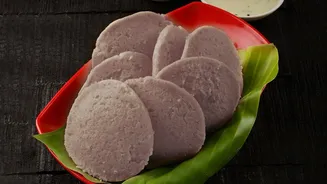
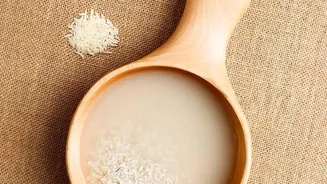
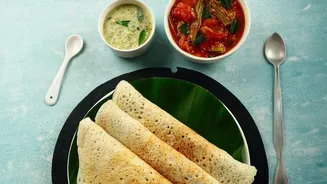
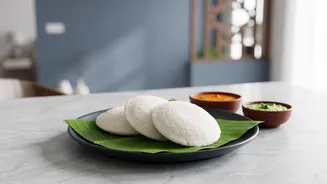
The primary ingredients in idli and dosa batter are rice and lentils (urad dal). Like most grains, seeds, and legumes, they contain a compound called phytic acid. Often referred to as an 'anti-nutrient', phytic acid has a strong binding effect on minerals
like iron, zinc, and calcium. When these minerals are bound to phytic acid, they form insoluble complexes that our digestive system cannot easily break down and absorb. This means that even if a food is technically rich in these minerals, a significant portion might pass through our body without being utilized—a challenge especially in plant-based diets where these foods are staples.
The Magic of Fermentation
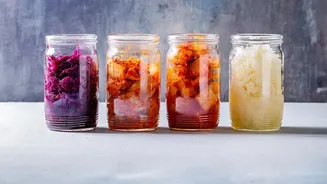
This is where the wisdom of our ancestors shines. The process of fermenting the idli-dosa batter is the perfect natural solution to this problem. Fermentation is a process where microorganisms, like naturally occurring yeasts and beneficial bacteria (probiotics), break down substances in food. When the rice and lentil batter is left to ferment for several hours, these microbes get to work. One of their most important jobs is to produce an enzyme called phytase. This enzyme is the key to unlocking the minerals trapped within the batter.
Meet the Microbial Heroes: Phytase at Work
The phytase enzyme produced during fermentation systematically breaks down the phytic acid in the batter. As the phytic acid is degraded, the iron and zinc it was holding captive are released. This transformation makes the minerals 'bioavailable', which means they are now in a form that our bodies can easily absorb and use. Studies have shown that fermentation can reduce phytic acid content substantially, with some research noting reductions of over 50%. Furthermore, the fermentation process creates a slightly acidic environment (lower pH), which also helps convert iron into a more absorbable form.
More Than Just Minerals
The benefits don't stop with iron and zinc. The fermentation process essentially 'pre-digests' the complex carbohydrates and proteins in the batter, making idlis and dosas incredibly light and easy on the stomach. This is why idli is often recommended as a perfect food for young children and those recovering from illness. The process also increases the content of B vitamins, especially B12, which is crucial for energy and nerve function. Additionally, the lactic acid bacteria that drive the fermentation are powerful probiotics, which contribute to a healthy gut microbiome, supporting everything from digestion to immunity.