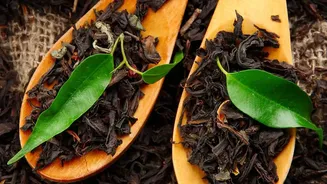








For millions in India, the day begins with a hot cup of chai. But how can we be sure it's safe from unwanted chemicals? Proposed new regulations aim to tackle pesticide residues, ensuring every sip is a healthy one. Here’s what you need to know.
The Concern in Our Teacups
Tea is
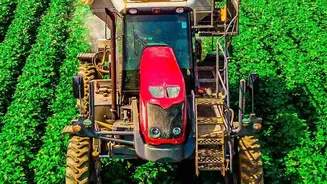
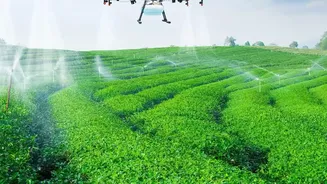
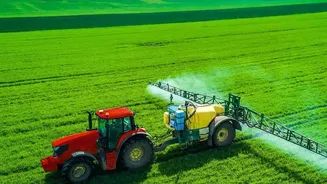
more than a beverage in India; it's a cultural cornerstone. However, to protect tea plants from insects and diseases, growers often use pesticides. While essential for crop yield, these chemicals can leave behind residues on the tea leaves. If these residues are above safe levels, they can pose potential health risks to consumers. The primary concern is not the tea itself, but the agricultural context in which it is grown. Recognizing this, the Food Safety and Standards Authority of India (FSSAI) is taking steps to ensure that the tea reaching our homes is as safe as it is comforting.
What Are the Proposed Regulations?
The FSSAI has put forward the draft 'Food Safety and Standards (Contaminants, Toxins and Residues) Amendment Regulations, 2026'. This proposal specifically targets two common insecticides used in tea cultivation: Acetamiprid and Imidacloprid. The new rules propose setting a Maximum Residue Limit (MRL) for these pesticides. An MRL is the highest legally permissible level of a pesticide residue in a food product. The draft suggests a limit of 20 parts per million (ppm) for Acetamiprid and 50 ppm for Imidacloprid. These clear benchmarks are designed to make monitoring and enforcement of food safety rules much easier for everyone involved, from growers to regulators.
Stricter Standards for a Safer Sip
These proposed limits are not arbitrary. They are based on scientific assessments, international best practices, and India's specific agricultural needs. Notably, the proposed MRL of 20 ppm for Acetamiprid is stricter than the limits in some other major countries; for example, the limit is 30 ppm in Japan and 50 ppm in the United States. The proposed limit for Imidacloprid has been formulated with reference to international Codex standards, a collection of globally recognized food safety guidelines. This shows a clear intent to align Indian tea with global safety standards while prioritizing consumer health. This move is part of a broader FSSAI initiative to periodically review and update pesticide standards, which has previously included delisting pesticides known for higher toxicity.
From the Garden to Your Glass
So, how will this safeguard your daily chai? By setting clear legal limits, the regulations create a chain of accountability. Tea growers will need to adjust their pesticide usage to ensure their produce complies with the new MRLs. Tea processors and businesses will be responsible for sourcing and selling tea that meets these standards. Enforcement authorities and testing laboratories will have a clear, scientific benchmark to test against, allowing for more effective monitoring of the tea supply chain. Ultimately, this means that from the moment it's plucked in the garden to when it's poured into your cup, the tea is subject to stricter safety checks designed to minimize your exposure to unwanted chemical residues.
Balancing Safety and Agriculture
The FSSAI's proposal is designed to strike a balance between protecting consumers and acknowledging the realities of farming. Effective pest management is crucial for farmers to prevent crop losses and maintain their livelihoods. These regulations provide clarity to the tea industry on what is expected, helping them adopt safer agricultural practices. It's also worth noting that, according to government data, India's overall pesticide usage per hectare is significantly lower than the global average and that of many other nations. The proposed regulations are another step in a continuous effort to make a massive industry safer and more sustainable, ensuring the long-term health of both consumers and the tea sector itself.