






The Digital Age Traveller
The most significant driver behind this shift is, unsurprisingly, technology. Widespread smartphone penetration and affordable data have put a world of information into the hands of millions. Gone are the days of relying solely on glossy brochures or an agent's
recommendations. Today's Indian traveller is digitally savvy, using online tools to compare flight prices, scout hotel locations on maps, and read peer reviews before making any commitments. This digital empowerment allows for a level of control and customisation that was previously unimaginable, transforming passive tourists into active trip architects. According to a Google India report, a staggering 90% of Indian travellers now begin their research online, signalling a fundamental change in consumer behaviour.
The Quest for Authentic Experiences
There's a growing appetite for travel that goes beyond cookie-cutter itineraries and crowded tourist traps. An increasing number of Indians are seeking unique, authentic, and immersive experiences. This has fueled the rise of research into offbeat destinations, local culture, and activities that offer more than just a photo opportunity. Travellers want to find that hidden gem of a restaurant, that secluded beach, or that unique cultural festival. This desire for authenticity is a direct motivator for detailed research, as finding these experiences requires digging deeper than the first page of search results. Many are now planning entire trips around specific cultural events or culinary trails.
Maximising Value in Every Trip
The modern Indian traveller is described as value-conscious rather than simply price-conscious. This distinction is crucial. It’s not about finding the absolute cheapest option, but about getting the best possible experience for their money. Extensive research is the primary tool to achieve this. By comparing options, reading reviews about what's included, and understanding the nuances of different packages, travellers ensure their spending aligns with the value they receive. This careful financial planning extends to all aspects of a trip, from booking flights on certain days to finding deals on local attractions. The goal is to spend smartly, investing in experiences that offer a high personal return.
The Social Media Influence Loop
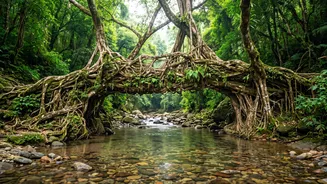
Social media platforms like Instagram and YouTube have become powerful engines for travel discovery and validation. Over 89% of travellers now use these sites for research and inspiration. Seeing a friend's stunning photos from a Meghalayan road trip or a vlogger's detailed guide to exploring Hampi creates a potent mix of aspiration and practical advice. This creates a feedback loop: people see trips online, research how to replicate or customise them, and then share their own experiences, inspiring others in turn. User-generated content, from reviews to photo tags, is often trusted more than professional marketing, making social media an essential research tool. In India, 53% of millennials have chosen a destination based on what they saw on social media.
A New Generation of Confident Planners
Ultimately, the rise of detailed travel research reflects the emergence of a more confident and discerning Indian consumer. As disposable incomes rise and travel becomes a lifestyle priority, people are more invested in making their trips count. This is particularly true for younger generations like Millennials and Gen Z, who are driving the trend towards DIY travel planning. They value flexibility, control, and the satisfaction of crafting a journey that is perfectly tailored to their tastes. This trend indicates a shift away from a passive reliance on pre-packaged tours and towards a more empowered, hands-on approach to seeing the world.