



A Journey for the Senses
For a growing number of travellers, food is not just a part of the journey; it is the destination. India, a country where the menu can change dramatically every few hundred kilometres, offers a continent of cuisines in one nation. The rising trend of culinary
tourism sees travellers seeking authentic, regional experiences, from street food tours to heritage cooking classes. Experts note that food has become a primary travel motivator, with tourists choosing destinations based on their unique culinary offerings. This shift makes India, with its deep and diverse food culture, a prime location for gastronomic exploration. The India culinary tourism market was valued at over USD 110 billion in 2025 and is projected to grow significantly, showcasing its economic and cultural importance.
North: The Heart of Tandoor and Street Food
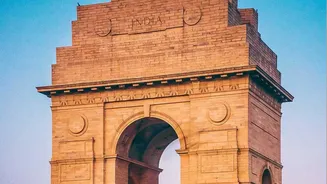
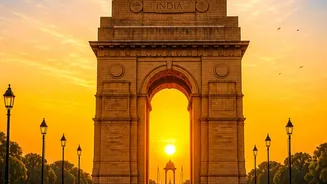
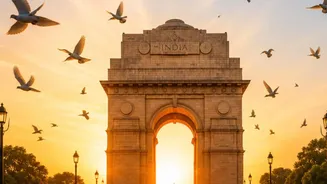
Northern India, often the first stop for international visitors, is home to a rich, comforting style of cuisine heavily influenced by Mughal history. Cities like Delhi, Amritsar, and Lucknow are essential food pilgrimages. Delhi stands out as a street food capital, with the bustling lanes of Chandni Chowk offering everything from spicy chaat and buttery parathas to rich kebabs. Amritsar, in Punjab, is revered for its hearty dishes like Amritsari kulcha, creamy lassi, and the soulful langar served at the Golden Temple. Meanwhile, Lucknow is celebrated for its refined dishes like Galouti kebabs and aromatic biryanis, a legacy of its royal kitchens.
South: Coastal Spices and Rice-Based Wonders
Southern Indian food is a revelation for many, offering a lighter, spicier, and often rice-based culinary experience that differs greatly from the north. The cuisine is defined by ingredients like coconut, tamarind, and curry leaves. In Kerala, coastal influences mean an abundance of fresh seafood cooked in fragrant coconut-based curries. Tamil Nadu is famous for the Chettinad region, known for its fiery meat dishes and unique spice blends, and Chennai is the gateway to breakfast classics like fluffy idlis and crispy dosas served with sambar and chutney. Not to be missed is the Hyderabadi biryani from Telangana, a slow-cooked masterpiece of fragrant rice and tender meat.
West: Vegetarian Feasts and Coastal Flavours
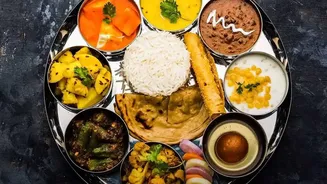
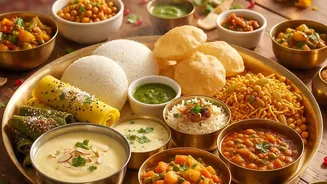
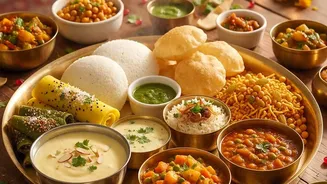
Western India presents a dynamic range, from the predominantly vegetarian cuisine of Gujarat to the Portuguese-influenced dishes of Goa and the vibrant street food of Mumbai. Gujarat is a paradise for vegetarians, where a single thali can take you on a journey through sweet, salty, and spicy notes with dishes like dhokla, handvo, and the seasonal vegetable medley, undhiyu. In Mumbai, the food scene is defined by its fast-paced snacks, most famously the vada pav, a spiced potato fritter in a soft bread roll. Further down the coast, Goa offers a distinct culinary identity with its tangy seafood curries and pork vindaloo, a legacy of its colonial past.
East: Mustard, Fish, and Delicate Sweets
Eastern India, particularly West Bengal, offers a refined cuisine centered around rice, freshwater fish, and the pungent flavour of mustard oil. Kolkata is a must-visit for any food lover, renowned for both its street food, like kathi rolls, and its traditional Bengali dishes such as shorshe ilish (hilsa fish in mustard sauce). The city is also a heaven for those with a sweet tooth, famous for sweets like rasgulla and mishti doi (sweet yogurt). The region showcases a delicate balance of flavours that provides yet another distinct chapter in India's extensive culinary story.