







The Hidden Dangers in Puddles
Every pet owner in India knows the monsoon routine: the quick, rain-dodging walks and the inevitable towel-down at the door. But the problems go far deeper than a wet coat and dirty floors. Puddles and waterlogged lanes are breeding grounds for harmful
bacteria and fungi, leading to painful paw infections that can be difficult to treat. Constant dampness between the toes can cause interdigital dermatitis, a common and irritating skin condition. Worse still, standing water can carry the risk of leptospirosis, a serious bacterial disease that can be fatal to dogs. Sharp objects hidden beneath murky water also pose a significant threat, causing cuts and wounds that are highly susceptible to infection in the wet environment. These risks turn a simple daily walk into a source of potential health issues.
The Old Guard of Paw Care
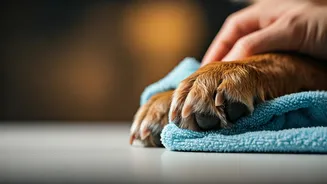
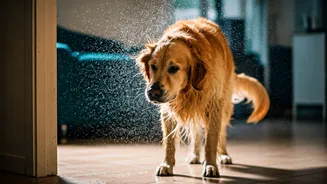
For years, the standard advice for monsoon paw care has been diligent and repetitive: wash and thoroughly dry your pet’s paws after every single walk. Some owners use antiseptic lotions, while others rely on homemade remedies like turmeric paste for minor nicks. While well-intentioned, these methods are reactive rather than preventative. Thoroughly drying the fur between each toe is a tedious task, and one that many pets resist. Keeping dogs indoors for the entire season is not a practical or healthy option for most breeds. These traditional approaches place the burden entirely on post-walk clean-up, missing the opportunity to prevent the paws from getting soaked and dirty in the first place.
A New Breed of Protection
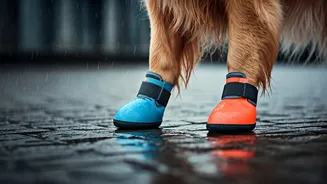
Responding to the growing demand from discerning pet parents, the booming Indian pet care industry is introducing a new category of products: specialized paw protectors. Often called dog booties or rain boots, these innovative items are designed specifically for the challenges of the Indian monsoon. Made from waterproof yet breathable materials like silicone or rubber, they form a barrier between the paw and the wet, grimy ground. Key features to look for include textured, anti-slip soles to provide traction on slick surfaces and adjustable straps (often Velcro) to ensure a snug, secure fit. They effectively keep the paws dry and clean, dramatically reducing the risk of infections and injuries. This proactive approach is a game-changer, shifting the focus from treatment to prevention.
Finding the Perfect Fit and Function
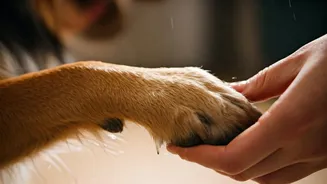
Choosing the right paw protector is crucial for your pet’s comfort and safety. The first step is accurate measurement. Place your dog's paw on a piece of paper and mark the widest points at the front and sides, then measure the distance to find the correct size; a boot that's too tight will be painful, while one that's too loose will slip off. When you introduce the boots, do it slowly. Let your dog sniff them first. Then, try putting on just one for a few minutes indoors, offering plenty of praise and treats. Gradually increase the duration and the number of boots until your pet is comfortable walking in them. Remember to always check your dog's paws for any signs of rubbing or irritation after use. Regular cleaning of the boots themselves is also essential to prevent any buildup of bacteria.
The Vet’s Verdict and Final Checks
While veterinarians generally agree that paw protectors can be an excellent tool for preventing monsoon-related health issues, they offer a few words of caution. Firstly, not all dogs will tolerate wearing them. If your pet shows extreme distress, it’s better to stick to rigorous cleaning routines than to force the issue. Secondly, protectors are not an excuse to neglect paw hygiene. It’s still vital to remove the boots immediately after a walk and inspect the paws, ensuring they are completely dry before letting your pet roam the house. The enclosed, warm environment inside a boot can become a breeding ground for yeast if paws are left damp. Think of them as a raincoat for the feet—an effective shield, but one that needs to be removed and stored properly once you’re back in the dry.