




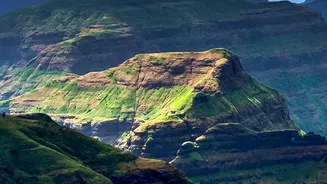
The End of the Monsoon Off-Season
For years, the monsoon was considered the travel industry’s “off-season,” a quiet period with fewer tourists and lower prices. That is no longer the case. Recent data shows a significant surge in travel during the rainy months, with one platform reporting
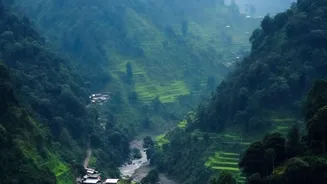
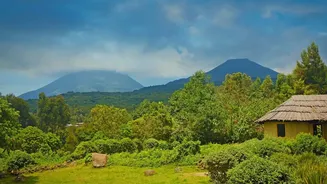
a 54% year-on-year rise in hotel bookings and a 140% jump in bus bookings, signalling a strong appetite for road trips. This trend is driven by a new generation of travellers who prefer shorter, experience-led escapes over longer vacations. They are actively seeking out the lush, rain-washed landscapes and cooler temperatures, transforming the monsoon into a preferred travel window. This means destinations that were once quiet are now buzzing with activity.
The Pitfalls of Last-Minute Plans
The growing popularity of monsoon travel means that spontaneity now comes with consequences. Popular destinations near major cities, like Lonavala and Mahabaleshwar near Mumbai and Pune, or hill stations near Delhi, are seeing accommodations fill up weeks in advance. Relying on a last-minute plan can lead to surge pricing, limited stay options, and missing out on the unique boutique homestays or resorts with the best valley views, which are often the first to get booked. Furthermore, heavy rains can lead to unpredictable road conditions, including closures, waterlogging, or landslides. Without a well-researched route, you risk spending more time stuck in traffic than enjoying the destination. The dream of a peaceful escape can quickly turn into a stressful scramble for bookings and a battle with crowds.
Your Early Planning Checklist
To avoid disappointment, “early” now means planning at least four to six weeks ahead, especially for weekend trips. Start by securing your accommodation. This is the single most important step, as the best and most sought-after properties—from eco-resorts to plantation stays—are booked well in advance. Once your stay is confirmed, shift your focus to the journey itself. Research your route thoroughly. Check for common trouble spots for waterlogging or landslides and identify alternative roads. Look into any unique local experiences, like guided plantation walks or pre-booking a table at a renowned restaurant, as these also fill up fast. A little foresight ensures your trip is relaxing from the moment you leave home.
What to Prioritise: Experiences and Views
Travellers are increasingly choosing destinations based on the experiences they offer, whether it's wellness, adventure, or cultural immersion. This means properties offering more than just a room are in high demand. Think of treehouse resorts near Lonavala, luxury stays in Coorg set amidst coffee plantations, or wellness retreats in Rishikesh. These places are popular precisely because they allow you to enjoy the monsoon from a unique vantage point. Instead of just searching for a hotel in a town, search for the experience you want. Whether it's a room with a panoramic view of a misty valley or a resort with guided nature walks, focusing on the experience will help you find and book the most memorable stays before they're gone.
Beyond Bookings: Smart Monsoon Prep
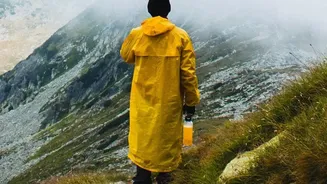
Good planning extends beyond reservations. Before you leave, check the latest weather advisories from reliable sources. The monsoon is dynamic, and a route that was clear in the morning might be risky by afternoon. Pack smart: waterproof bags, quick-drying clothes, and footwear with a solid grip are non-negotiable. It’s also wise to pack an insect repellent and a basic first-aid kit. Finally, have a flexible mindset. While planning is crucial, the weather can still throw a surprise your way. Having a backup plan, like knowing about an interesting indoor cafe or a museum, ensures that a sudden downpour enhances your trip instead of derailing it.