


Gujarat: The Heartbeat of Garba and Feasting
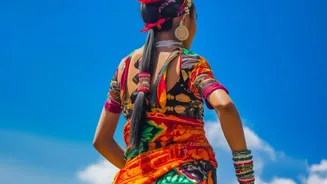
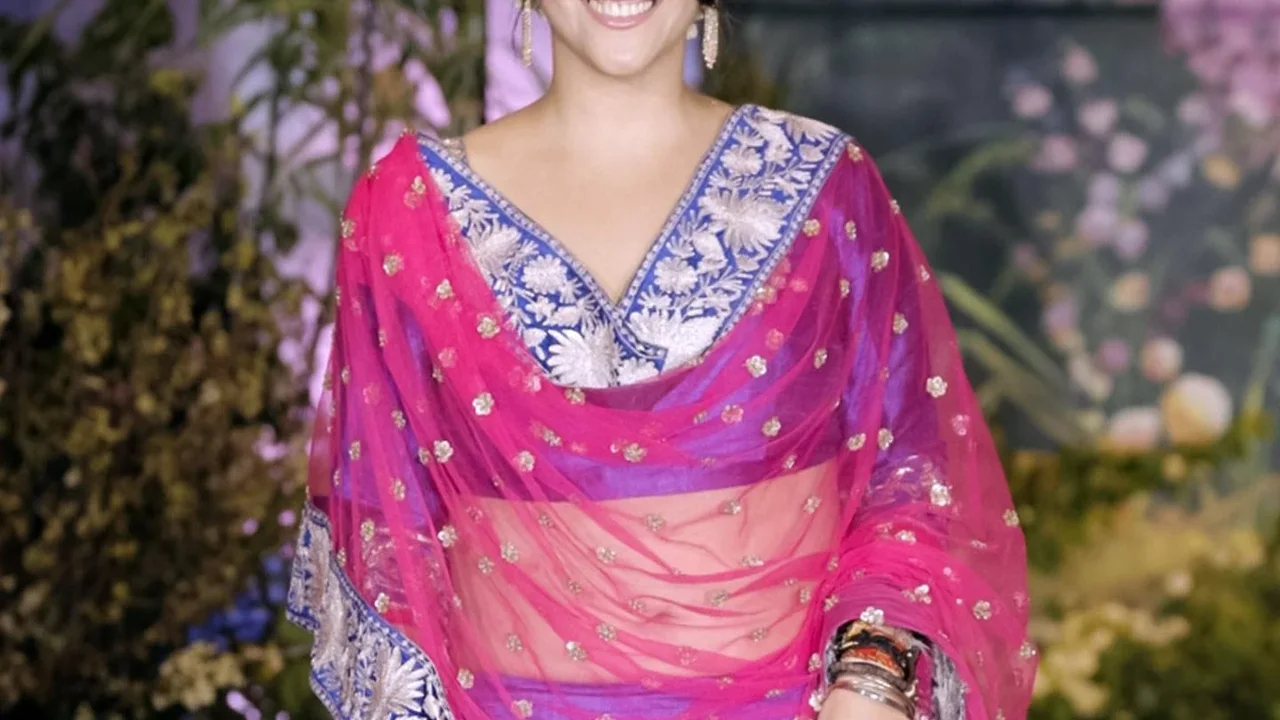
When you think of Navratri, chances are you picture the vibrant, swirling spectacle of Garba. In Gujarat, the festival is synonymous with this high-energy folk dance. Communities gather in large, open spaces, dancing in concentric circles around a ceremonial
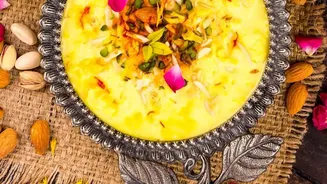
clay pot called a Garbi, which holds a lamp symbolizing the womb and the source of life. The nine nights are a flurry of colourful chaniya cholis and kediyus, as people dance from late evening until the early morning hours. At home, the celebration is just as significant. Many devotees observe fasts, consuming special 'farali' foods made from ingredients like sabudana (tapioca pearls), rajgira (amaranth) flour, and potatoes. Dishes such as sabudana khichdi, kuttu ki puri (buckwheat flour bread), and various sweets ensure that fasting is also a time for feasting.
Tamil Nadu: The Artistic Display of Golu
In South India, especially Tamil Nadu, Navratri takes on a quieter, more artistic form known as Golu or Bommai Golu. Homes are transformed into miniature galleries with the elaborate display of dolls and figurines arranged on an odd-numbered series of steps. These displays are not random; they often narrate stories from Hindu mythology, depict scenes from everyday life, or represent the court of a goddess. The Golu steps signify the spiritual progression of life, with deities on the top tiers and humans, animals, and plants on the lower ones. The festival is a social affair, with women and children visiting each other's homes to see the displays, sing devotional songs, and exchange gifts. A special offering called 'sundal', a savoury snack made from different legumes each day, is prepared and shared with guests.
West Bengal: The Grandeur of Durga Puja
In West Bengal and other eastern states, the nine days of Navratri are celebrated as Durga Puja, the region's biggest festival. While it commemorates the same victory of good over evil—Goddess Durga's triumph over the demon Mahishasura—the traditions are distinct. Instead of fasting, Bengalis feast. The last five days of the festival are a grand community celebration centred around beautifully crafted pandals (temporary structures) that house magnificent clay idols of the goddess. Life comes to a standstill as people go 'pandal hopping' to admire the art, enjoy cultural performances, and indulge in a wide variety of food, from street-side rolls to the traditional 'bhog' of khichuri and labra (mixed vegetables) offered at the pandals. The festival culminates with Sindoor Khela, where married women smear each other with vermilion powder before the idol is immersed in the river.
North India: Fasting and Kanya Pujan
In northern states like Delhi, Uttar Pradesh, and Punjab, Navratri is a period of pious observance and fasting. Many households abstain from grains, onions, and garlic, opting for a 'sattvic' diet to purify the body and mind. The festival also features Ramlila, theatrical reenactments of the story of Lord Rama, which culminates with the burning of effigies of the demon king Ravana on Dussehra. A key ritual in homes is the Kanya Pujan, also known as Kanjak, which takes place on the eighth (Ashtami) or ninth (Navami) day. Nine young girls, seen as earthly manifestations of the nine forms of Goddess Durga, are invited into the home. Their feet are washed, and they are served a special meal of puri (fried bread), halwa (sweet semolina), and kala chana (black chickpeas) before being given small gifts.