





Snake Plant (Dracaena trifasciata)
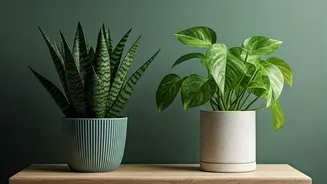
If you're looking for a plant that is virtually indestructible, the Snake Plant is your top choice. [12] Known for its striking, upright leaves, this plant is a champion of low-maintenance gardening and an excellent air purifier. [5, 34] It’s particularly
suited for the monsoon because it thrives in the season's high humidity but has very low water requirements. [3, 16] The biggest mistake you can make is overwatering, which is a key concern during the damp monsoon months. [3] To keep it happy, water only when the soil is completely dry to the touch. [3, 40] Ensure the pot has excellent drainage to prevent water from logging at the roots, which can cause them to rot. [3, 26] It’s adaptable to various light conditions, from low light corners to bright, indirect sunlight, making it perfect for any room in your house. [3, 34]
Money Plant (Epipremnum aureum)
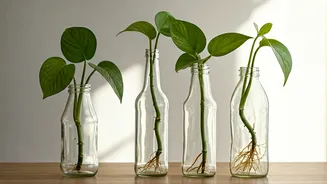
A staple in many Indian households, the Money Plant is celebrated for its fast-growing vines and reputation for bringing good fortune. [12, 27] It is incredibly forgiving and reacts positively to the humidity and indirect natural light that characterise the monsoon, often showing a burst of growth during this time. [7, 8] These plants are versatile; you can let them trail from a high shelf or guide them up a moss stick. [12] During the rainy season, the primary care tip is to monitor soil moisture closely. [25] While they like moist soil, they are susceptible to root rot if the soil becomes waterlogged. [7, 24] Always check that the top inch or two of soil is dry before watering again. [27] Their ability to thrive in a variety of light conditions and purify indoor air makes them a rewarding and easy choice. [27]
Spider Plant (Chlorophytum comosum)
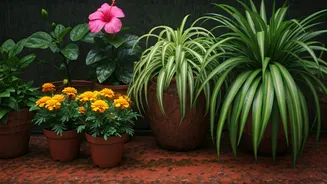
The Spider Plant is a cheerful and resilient addition to any indoor garden, known for its arching leaves and the 'spiderettes' or baby plants that dangle from the mother plant. [29] It is an excellent choice for beginners and thrives in the Indian climate. [4, 10] The monsoon is a great season for the Spider Plant as it enjoys moderate humidity and the propagation of its babies is often more successful. [22, 30] These plants prefer bright, indirect light but are quite tolerant of lower light conditions. [10, 21] The key to their care is to keep the soil moist but not soggy. [10] Overwatering is a common problem that leads to root rot, so it's best to let the top inch of soil dry out between waterings. [22] As an added benefit, Spider Plants are renowned for their air-purifying qualities. [5, 18]
Peace Lily (Spathiphyllum)
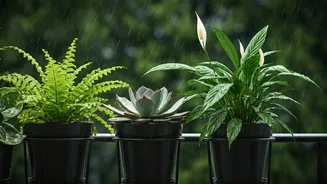
For those who want a flowering plant to brighten up gloomy days, the Peace Lily is an elegant choice. [12] It produces beautiful white blooms that contrast with its glossy, dark green leaves. [35] Peace Lilies love the high humidity of the monsoon and can even help reduce mould spores in the air. [2, 5] They are one of the best plants for lower light conditions, making them ideal for indoor spots that don't receive direct sun. [32, 35] During the rainy season, it's crucial to adjust your watering schedule. [2] The humid air means the soil will stay moist for longer, so reduce the frequency of watering and always check the soil with your finger first. [2] If the top inch is dry, it's time to water; otherwise, wait a few more days to prevent root rot. [32, 38]
ZZ Plant (Zamioculcas zamiifolia)
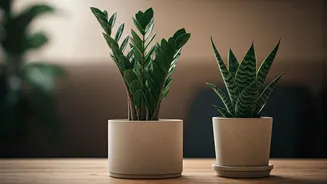
The ZZ Plant is another incredibly low-maintenance option, perfect for busy individuals or those new to plant care. [28, 36] With its wide, dark, glossy leaves, it adds a touch of modern elegance to any space. [9] Its ability to tolerate low light and infrequent watering makes it a winner. [31, 33] The ZZ Plant stores water in its underground rhizomes, making it highly drought-tolerant. [28, 36] This is a huge advantage during the monsoon, as the biggest danger is overwatering. [31, 33] It thrives in average home humidity and doesn't have special requirements. [9, 28] Water only when the soil has completely dried out, which might be as little as once a month during the humid rainy season. [31] Good drainage is essential to ensure its health. [33]