

The New Peak Season
Rajasthan's tourism calendar has long been defined by the cooler, drier winter months. But a significant travel trend is turning this on its head. The period from July to September, once considered an off-season, is now witnessing a remarkable surge in visitors.
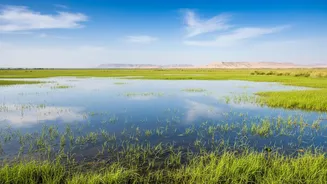
This shift is reshaping the state's travel identity, with the monsoon emerging as a new, vibrant peak season. Reports indicate a notable increase in hotel bookings across the state, transforming a once-quiet period into a bustling travel window. Tourists are no longer waiting for winter; they are actively seeking out the unique charm that the rainy season brings to the arid landscape. This trend is backed by travel experts, who note that monsoon getaways are increasingly being planned well in advance, signaling a deliberate choice rather than a spontaneous trip.
Udaipur, The Reborn City of Lakes
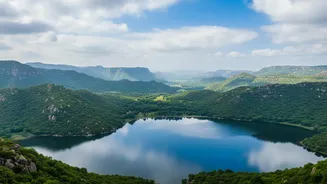
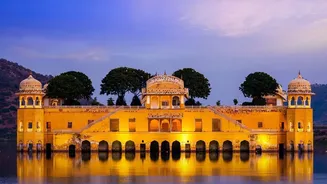
At the heart of this monsoon mania is Udaipur. Famously known as the 'City of Lakes', Udaipur's romantic allure is magnified during the rains. Key water bodies like Lake Pichola and Fateh Sagar Lake, often low during the hot summers, are now full, reflecting the majestic palaces and lush Aravalli hills that surround them. The Sajjangarh Palace, aptly named the Monsoon Palace, offers panoramic views of the cloud-covered city and verdant landscapes, making it a prime attraction. The pleasant weather, with cooler temperatures and refreshing showers, makes exploring the city's historic streets, palaces, and gardens a much more comfortable and enchanting experience. The magic of boating on a full Lake Pichola under dramatic, cloudy skies is an experience that travelers are now flocking to witness.
Beyond Udaipur: Green Havens
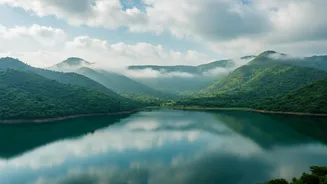
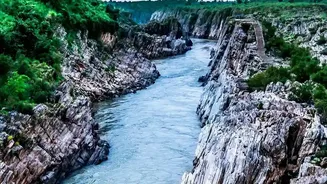
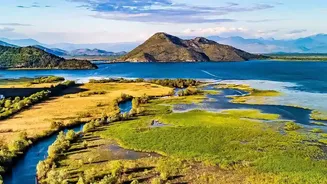
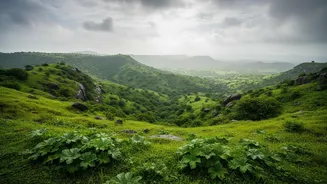
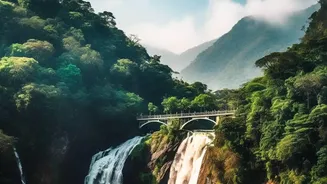
The monsoon's magic isn't confined to Udaipur. Rajasthan's only hill station, Mount Abu, transforms into a misty paradise with active waterfalls and temperatures that provide a cool respite. Historic towns like Bundi and Chittorgarh offer stunning views of ancient forts set against green valleys. For wildlife enthusiasts, while the core zones of reserves like Ranthambore and Sariska are closed, the buffer zones offer a different kind of safari experience amidst rejuvenated forests. Destinations such as Kumbhalgarh and Ranakpur are also drawing crowds with their spectacular hilltop forts and serene temples enveloped in greenery. This trend highlights a growing interest in exploring beyond the typical tourist circuit to experience what some are calling 'green tourism'.
What's Driving the Monsoon Rush?
Several factors are fueling this shift in travel patterns. The role of social media is significant, with captivating images and reels of a green, rain-soaked Rajasthan challenging the long-held stereotype of a dry desert state. This digital storytelling has made destinations like Udaipur and Mount Abu highly aspirational for monsoon travel. Furthermore, travelers are increasingly seeking experience-led journeys, and the monsoon offers a completely different, more peaceful atmosphere compared to the crowded winter season. Improved connectivity, including new expressways and better air links, has also made it easier for tourists to plan quick getaways. While the perception of lower off-season prices once drew budget travelers, the current 'booking rush' indicates that the unique landscape itself has become the primary attraction.