







Switch Your Cleanser
The first step in any routine is cleansing, and its texture should adapt to the climate. During dry winters, especially in northern India, dermatologists advise using a cream or hydrating cleanser that won't strip the skin of its essential oils. However,
in the humid summer and monsoon months, sweat and sebum production increase, making a gentle, foaming or gel-based cleanser a better choice to remove excess oil and prevent clogged pores without causing irritation. The goal is to cleanse effectively while respecting your skin's natural moisture barrier, which is crucial year-round.
Adjust Your Moisturiser's Weight
One of the most critical seasonal changes is your moisturiser. It's a myth that oily or sweat-prone skin doesn't need hydration in the summer. In hot, humid weather, experts recommend switching to a lightweight, non-comedogenic gel or water-based formula. Ingredients like hyaluronic acid can provide hydration without feeling heavy. Conversely, when the air becomes cold and dry in winter, your skin loses moisture more rapidly. This is the time to opt for a richer, cream-based moisturiser with ingredients like ceramides or shea butter to fortify your skin's barrier and prevent flaking and tightness.
Always Prioritise Sunscreen
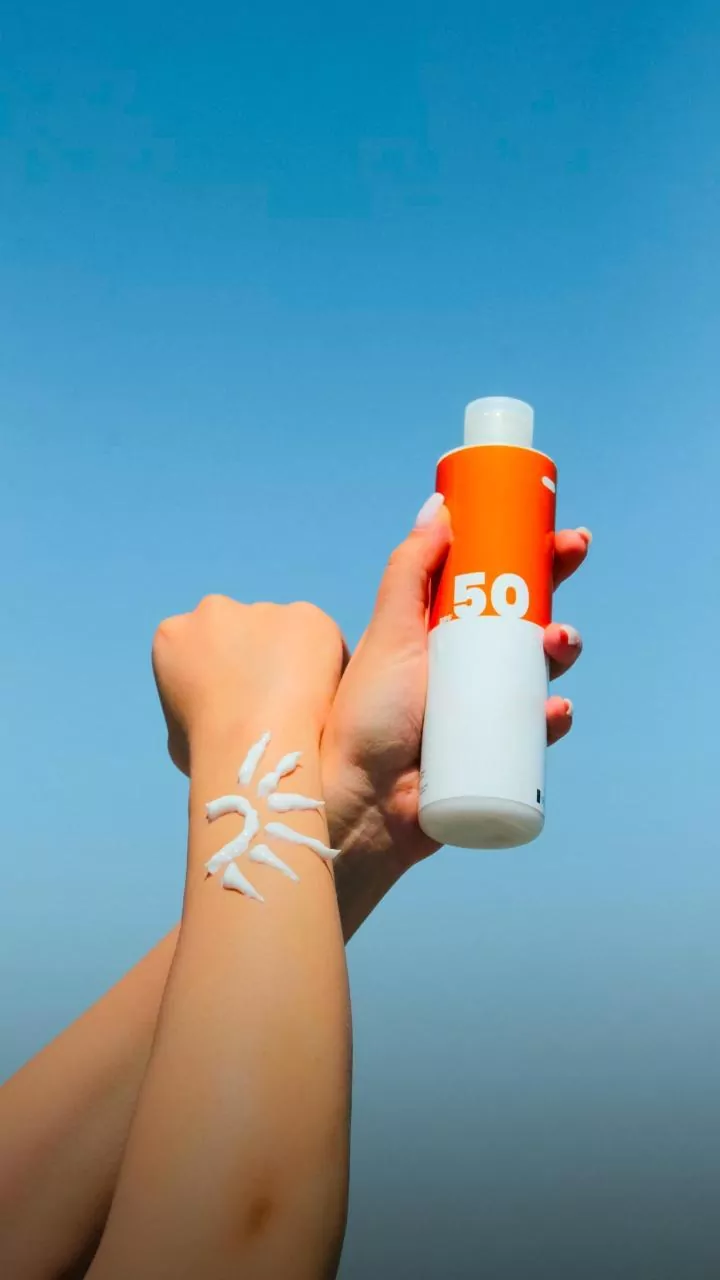
Dermatologists are unanimous on this point: sunscreen is a non-negotiable, 365-day-a-year commitment for Indian skin, regardless of the season or weather. UV rays penetrate clouds and are present even on cool, overcast winter days. While an SPF of 30 or higher is the minimum standard, you might adjust the formula for comfort. In summer, a lightweight, matte-finish or gel sunscreen feels more comfortable on sweaty skin and is less likely to clog pores. During winter, a more hydrating, cream-based sunscreen can add an extra layer of much-needed moisture.
Rethink Your Exfoliation Frequency
Exfoliation helps remove dead skin cells and maintain a bright complexion, but how often you do it should be guided by the season. Overstretching dry, sensitive winter skin can damage the moisture barrier and lead to irritation. In the colder months, it's wise to reduce the frequency of exfoliation. During the humid summer and monsoon, when oil and sweat can lead to more build up, you may be able to exfoliate more regularly, perhaps two to three times a week, to help keep pores clear. Many experts suggest chemical exfoliants like AHAs and BHAs as a gentler alternative to harsh physical scrubs.
Incorporate Targeted Treatments
Seasonal changes are also an excellent opportunity to introduce targeted serums. The drier winter months are ideal for adding a hydrating serum containing hyaluronic acid to help your skin retain water. The post summer period is a good time to focus on repairing sun damage. An antioxidant serum, especially one with Vitamin C, can help fade hyperpigmentation and protect against environmental damage year round. During the particularly humid monsoon, ingredients like niacinamide can help regulate oil production, while anti fungal products might be needed to address specific concerns caused by dampness.
Listen to Your Skin
Ultimately, the best guide for adjusting your routine is your own skin. India's climate varies dramatically from one region to another, and your skin type—whether oily, dry, or combination—also plays a huge role. Oily skin might feel drier in the winter but become very congested during the monsoon. Pay attention to signs like tightness, excess oil, or new breakouts. These are signals that a small tweak, like swapping your cleanser's texture or layering your moisturiser, might be needed. The key is to be adaptable and responsive rather than sticking rigidly to the same products all year.