


Beyond the Traditional Halwai
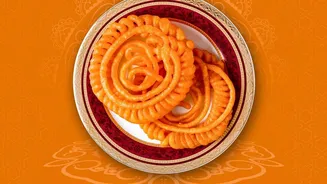
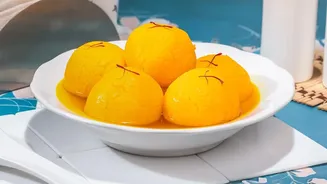
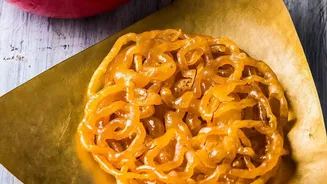
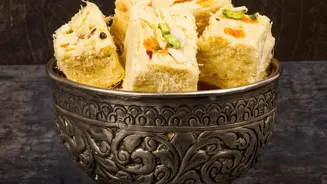
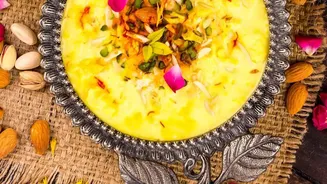
For generations, the neighbourhood halwai has been the undisputed king of festive sweets, their counters laden with timeless classics like kaju katli, jalebi, and gulab jamun. These sweets are edible heirlooms, evoking memories of family gatherings and childhood
joy. However, a new wave of culinary creativity is reimagining what a festive sweet can be. Artisanal mithai makers, pastry chefs, and home bakers are stepping onto the scene, transforming the humble mithai into a canvas for innovation. This isn't about replacing tradition, but building on it, blending heritage recipes with contemporary techniques and global ingredients.
A Symphony of Surprising Flavours
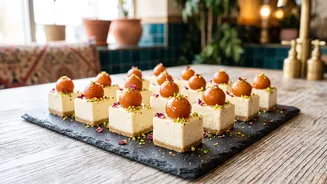
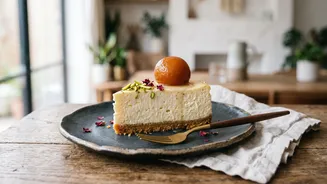
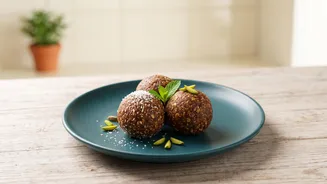
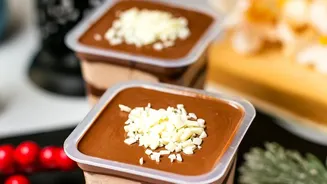
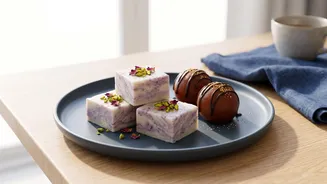
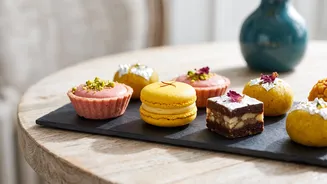
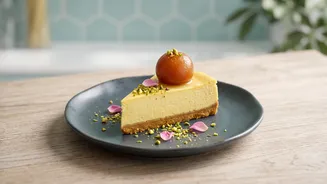
The modern Indian sweet box is a playground of unexpected yet delightful pairings. Imagine a motichoor laddoo, its familiar texture now part of a creamy cheesecake, or the beloved rasmalai reimagined as a soft, spongy tres leches cake. Chefs are skillfully blending classic Indian flavours with Western dessert formats to create a whole new experience. Think of gulab jamun cheesecake, kulfi panna cotta, and even masala chai tiramisu. The flavour combinations are becoming bolder, with lavender, matcha, coffee, and salted caramel finding their way into barfis and laddoos. Brands like Nihira are crafting mojito laddoos, while The Bombay Sweet Shop is known for its rasgulla tiramisu and coffee-infused kaju katli.
The Forces Driving the Fusion Trend
So, why is this happening now? Several factors are contributing to this sweet evolution. Increased global exposure has introduced a wider range of flavours and dessert styles to the Indian palate. Younger consumers, while appreciative of their heritage, are also curious and experimental, seeking new twists on old favourites. Social media plays a huge role; the visual appeal of these gourmet creations makes them highly shareable, turning a simple sweet into a lifestyle statement. There is also a growing demand for premium, high-quality products. Consumers are more conscious of ingredients, leading to the use of organic components, natural sweeteners like jaggery and date syrup, and high-end nuts. These aren't just sweets anymore; they are artisanal products with a story.
Tradition in a New Avatar
This trend is not about erasing the legacy of traditional mithai but about giving it a 'naya edition'. Many chefs see it as a way to preserve the soul of a gulab jamun or a barfi while presenting it in a format that excites a modern audience. It’s a dialogue between heritage and innovation, where French pastry techniques might be used to structure Indian flavours, or a classic sweet is deconstructed and reassembled in a surprising way. Brands are focusing on better ingredients, quality control, and elegant, often plastic-free, packaging. This elevates the entire experience, moving mithai from a simple seasonal purchase to a year-round indulgence and a sophisticated gifting option.