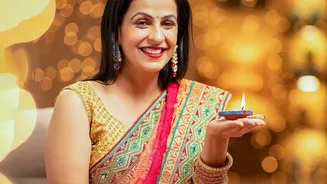

While diyas, sweets, and the triumph of light over darkness unite India during Diwali, the festival is celebrated with unique customs across the country. The ways families gather and exchange gifts reveal a fascinating story of regional diversity.
North: Grandeur, Gifting, and Good Fortune
In North
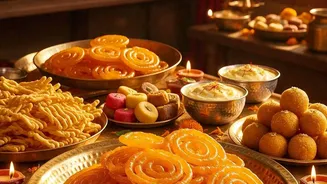
India, particularly in states like Punjab, Delhi, and Uttar Pradesh, Diwali celebrations are often synonymous with social splendour and grand gestures. The festivities kick off with Dhanteras, a day considered highly auspicious for making new purchases. Families flock to markets to buy gold, silver, and new utensils, believing these acquisitions will bring prosperity. Gift-giving is a central pillar of the celebration, with elaborately packed boxes of dry fruits, imported chocolates, and traditional sweets (mithai) like kaju katli and laddoos exchanged between family, friends, and business associates. Family gatherings often revolve around lavish feasts and 'taash' (card) parties that continue late into the night, making the social aspect as important as the religious rituals. The core of the celebration is often tied to Lord Rama's return to Ayodhya, and the lights that adorn homes are a symbol of this joyous homecoming.
South: A Spiritual Dawn and Symbolic Rituals
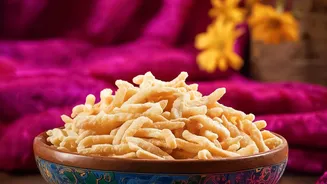
Travel south, and the focus of Diwali, or Deepavali as it is commonly known, shifts significantly. In states like Tamil Nadu and Karnataka, the main day of celebration is Naraka Chaturdashi, which commemorates Lord Krishna's victory over the demon Narakasura. The day begins before sunrise with a ritual oil bath, or 'Abhyanga Snan'. This purifying tradition is a cornerstone of the celebration, symbolising a cleansing of past sins. While new clothes are worn and firecrackers are burst, the emphasis is less on lavish spending and more on spiritual observance. Gifting is often more modest and traditional, revolving around homemade sweets like Mysore Pak and savoury snacks like murukku. The celebration is generally a more serene and family-oriented affair, prioritising pujas and quiet devotion over large-scale social events.
West: Business Blessings and Homemade Bounties
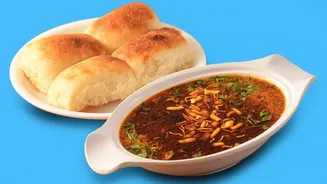
In Western India, Diwali is a vibrant blend of commerce and culture. For the Gujarati business community, Diwali marks the beginning of the New Year. A key ritual is 'Chopda Pujan', where new account books (and today, laptops) are worshipped to seek blessings from Goddess Lakshmi for the financial year ahead. In Maharashtra, the festival is a multi-day affair. A unique tradition is the preparation of 'Faraal', an assortment of homemade sweet and savoury snacks like chakli, shankarpali, and karanji. Families prepare these treats in large batches to share with guests who visit throughout the festive period, making it a gesture of hospitality and community bonding. While Dhanteras shopping is popular here too, the spirit of the festival is deeply rooted in these cherished homemade traditions.
East: An Ode to the Divine Feminine
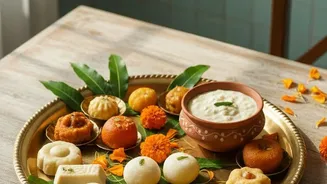
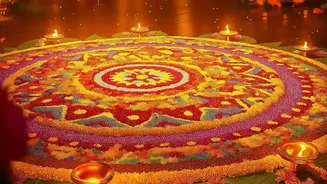
In the eastern states of West Bengal, Odisha, and Assam, the night of Diwali often coincides with Kali Puja, also known as Shyama Puja. While the rest of India largely worships Goddess Lakshmi for wealth and prosperity, here the focus is on the fierce Goddess Kali, who represents the destruction of evil. Pandals are erected with elaborate idols of the goddess, and homes are decorated with diyas and rangoli. In Odisha, a distinct ritual called 'Kauriya Kathi' involves burning jute sticks to call upon the spirits of ancestors and seek their blessings, adding a unique ancestral dimension to the festival of lights. Gift exchanges in these regions often include traditional sweets like Sandesh and Rasgulla, reflecting the local culinary identity.