





The Natural Foundations: Plant & Animal Fibres
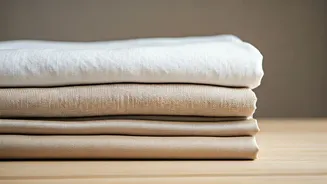
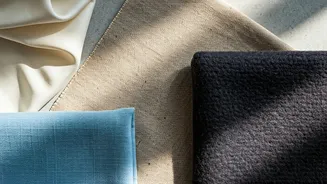
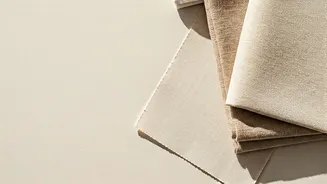
Natural fabrics are derived from plants and animals and are known for their comfort and breathability. Cotton is the undisputed king of casual wear, loved for its softness, versatility, and how gentle it is on the skin. It's ideal for everything from t-shirts
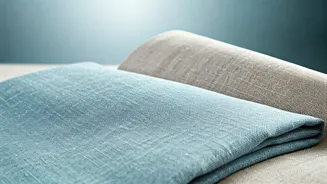
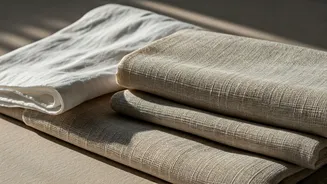
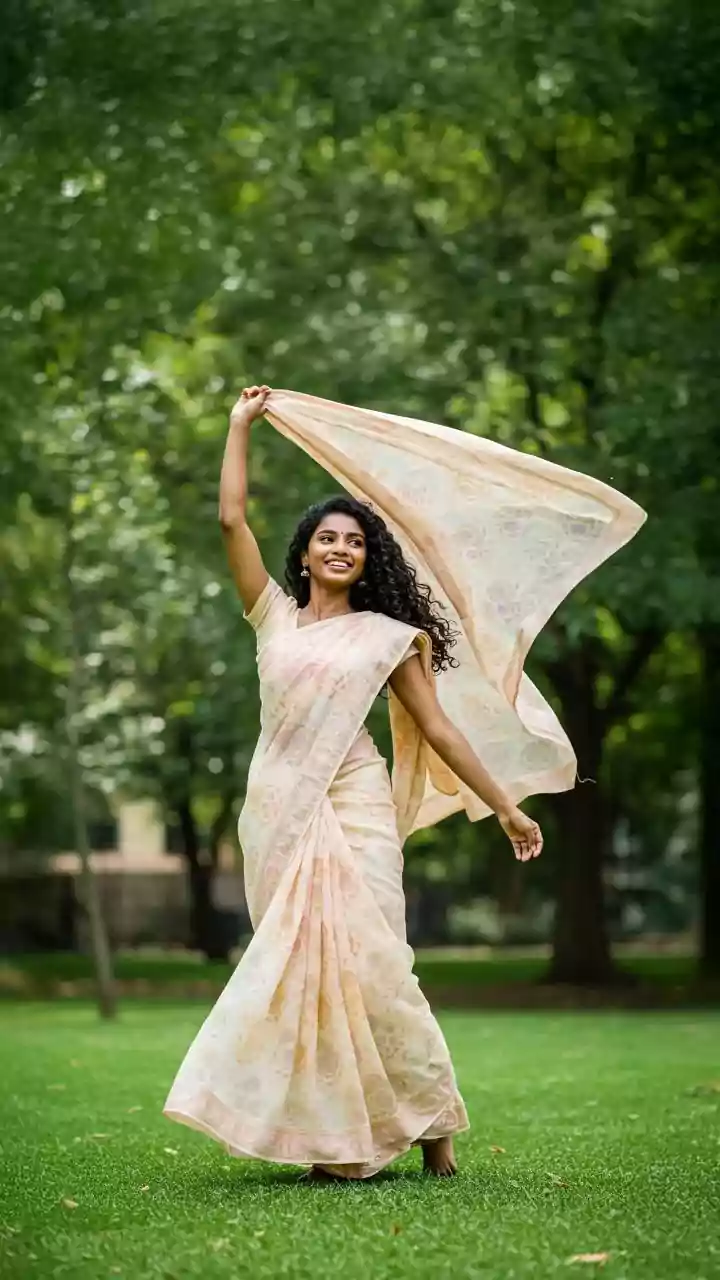
to denim. However, conventional cotton can be resource-intensive, requiring significant water. Organic cotton is a more sustainable alternative, grown without synthetic pesticides. Linen, made from the flax plant, is another plant-based hero, especially in summer. It's exceptionally lightweight and breathable, though it wrinkles easily. From the animal kingdom, wool is a master of insulation, keeping you warm in winter while being naturally water-resistant. Silk, spun from silkworms, is prized for its luxurious smoothness and natural sheen, perfect for high-end garments.
The Semi-Synthetics: Nature, Processed
Semi-synthetic fabrics occupy a middle ground. They start with natural source material, usually wood pulp (cellulose), which is then chemically processed to create fibres. This group includes rayon, modal, and lyocell. Rayon, also known as viscose, was the first of its kind and is often called 'artificial silk' for its soft feel and beautiful drape. However, it can be weak when wet and its production can be chemically intensive. Modal, typically made from beech tree pulp, is a step up from rayon, offering better strength and a softer feel, similar to cotton. Lyocell, often known by the brand name Tencel, is a more modern innovation. It's celebrated for its sustainable production, which often occurs in a 'closed-loop' system that recycles water and solvents. Lyocell is soft, durable, and highly breathable, making it a popular choice in sustainable fashion.
The Synthetic Workhorses: Engineered for Performance
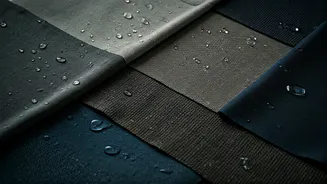
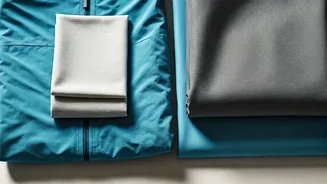
Synthetic fabrics are created entirely through chemical processes, often using petroleum by-products. They are known for durability, wrinkle resistance, and affordability. Polyester is the most widely used synthetic fabric, valued for its strength and ability to hold its shape. It's a staple in activewear because it dries quickly, but it's not very breathable and can feel stuffy in warm weather. Nylon is another powerhouse, known for its elasticity and strength, which is why it's common in swimwear and hosiery. However, like other synthetics, it's not biodegradable and contributes to microplastic pollution when washed. Spandex (also known as Lycra) is rarely used alone but is blended with other fibres to add stretch and shape retention, a key component in everything from jeans to athletic apparel.
Making Smart Fabric Choices
So, how do you use this knowledge? Start by reading the labels on your clothes. For everyday comfort and breathability, natural fibres like cotton and linen are excellent choices. For activewear, a polyester or nylon blend might be necessary for performance, but look for options made from recycled materials to lessen the environmental impact. When you want a fabric with a soft, flowing drape, consider lyocell or modal as a more modern and often more eco-friendly alternative to traditional rayon. Understanding fabric also helps with care; delicate silks and certain wools require more gentle handling than sturdy polyester or cotton. By paying attention to what your clothes are made of, you can make more informed decisions that align with your needs for comfort, durability, and sustainability.