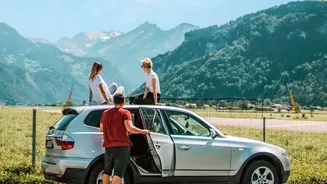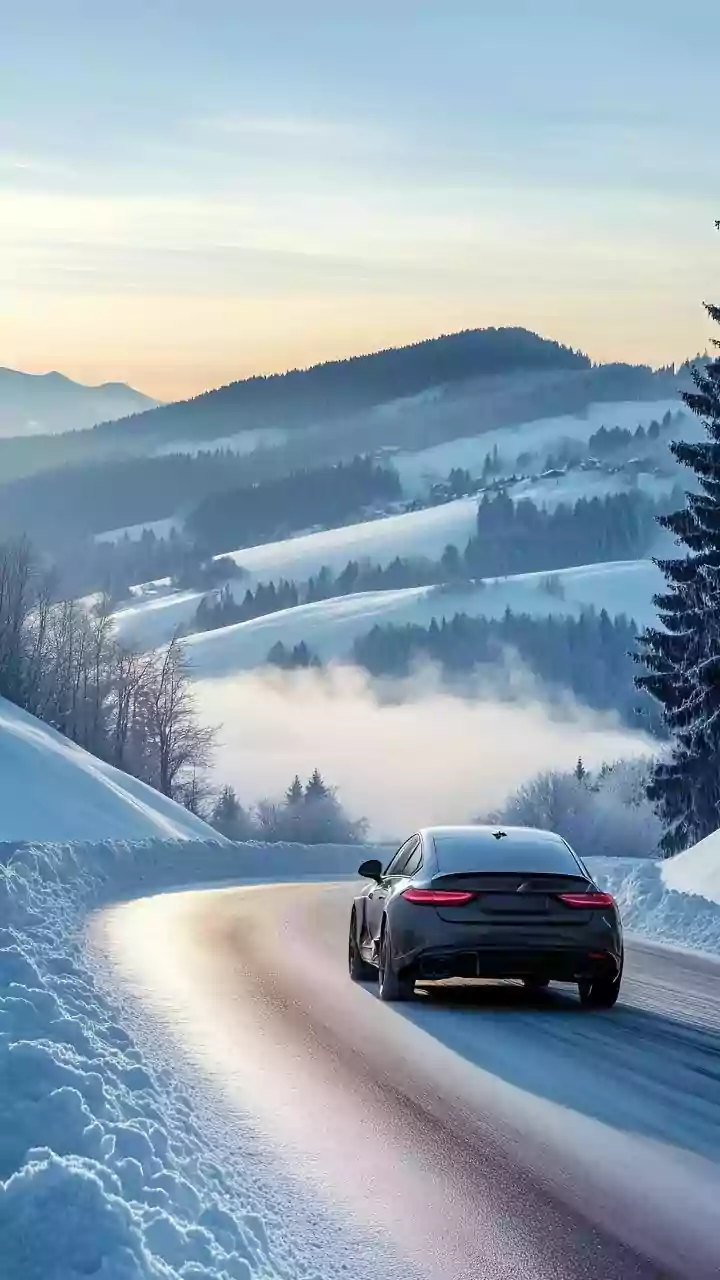


A blanket of snow on the mountains, crisp air, and quiet roads—winter road trips in India are magical. But this beauty comes with challenges like fog, ice, and road closures. Careful planning is key to a safe and unforgettable journey.
The Himalayas: Navigating Snow and Ice
The Himalayas transform
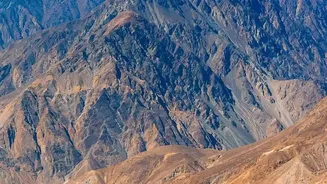
into a winter wonderland, attracting adventurers to places like Himachal Pradesh, Uttarakhand, Kashmir, and Ladakh. However, this is also the most challenging region for winter driving. Heavy snowfall often leads to the closure of high-altitude passes. Key arteries like the Manali-Leh Highway and the Srinagar-Leh Highway (via Zoji La) are typically shut down from late autumn until late spring. For instance, the Manali-Leh route usually closes around November and reopens in May or June, as organisations like the Border Roads Organisation (BRO) undertake massive snow-clearing operations. Similarly, access to Spiti Valley via the Manali-Kaza route and Kunzum Pass is closed during winter. The only viable route into Spiti during these months is the longer road via Shimla and Kinnaur, which can also face temporary blockages due to snow or landslides. Even on accessible routes, like Manali to the Lahaul Valley via the Atal Tunnel, or drives to Auli and Gulmarg, drivers must be wary of black ice. Black ice is a thin, transparent layer of ice that is incredibly slippery and hard to spot, often forming on shaded road sections, bridges, and tunnel exits. It is crucial to drive slowly, avoid sudden braking, and use engine braking on descents.
The Northern Plains: The Challenge of Fog
While the mountains deal with snow, the northern plains of Punjab, Haryana, Uttar Pradesh, and Rajasthan grapple with dense fog. Winter fog can reduce visibility to near zero, leading to dangerous driving conditions and a higher risk of accidents. When driving in fog, the most important rule is to slow down significantly. Use your low-beam headlights, not high beams, as the light from high beams reflects off the fog and worsens visibility. Fog lights, if your vehicle has them, are designed to cut through the mist. Maintain a much larger distance than usual from the vehicle in front of you to allow for more reaction time. Avoid unnecessary overtaking and stick to your lane, using the painted road markings as a guide. Also, never use your hazard lights while moving, as this can confuse other drivers who may think your vehicle is stationary. In Rajasthan, while the weather is pleasant for desert drives to places like Jaisalmer or Mount Abu, morning fog can still be a significant issue, especially on highways.
The South and West: Milder Winters, Different Conditions
Winter road trips in South India and the Western Ghats offer a different but equally enchanting experience. The weather is generally mild and pleasant, making it ideal for exploring. Popular routes like Kochi to Munnar in Kerala or drives through Coorg in Karnataka are lush and green, with misty mornings blanketing tea and coffee plantations. In Maharashtra, routes like Mumbai to Bhandardara are popular for their clear skies and serene lakeside views. While you won't encounter snow or severe fog, you should still be cautious. Hilly sections in the Western Ghats can have sharp, winding roads that may be slippery from morning dew or mist. Coastal routes, like the East Coast Road from Chennai to Puducherry, are beautiful in winter due to lower humidity, but it's always wise to check for any post-monsoon rain forecasts.
Essential Preparation for Any Winter Drive
Regardless of your destination, preparation is the most critical part of a winter road trip. Before you leave, get your vehicle thoroughly serviced, paying special attention to the battery, brakes, tyres, and antifreeze levels. For mountain travel, having winter tyres can significantly improve traction on snow and ice. Always carry an emergency kit containing blankets, extra food and water, a first-aid kit, a torch, and a shovel. For Himalayan routes, tyre chains are essential and you should know how to fit them before you get stuck. Always check the latest weather forecasts and road status from official sources before and during your trip. Roads can close with little warning. Start your drives early to maximize daylight hours and avoid driving on unfamiliar or icy roads after dark. Finally, keep your itinerary flexible and build in buffer days to account for potential delays caused by weather.