




A Taste of Home in High Orbit
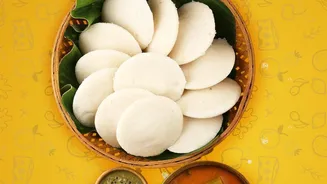
Scientists at the ICMR-National Institute of Nutrition (NIN) in Hyderabad are at the forefront of developing a special menu for India's astronauts. Their primary goal is to create space-friendly versions of beloved Indian dishes for the upcoming Gaganyaan
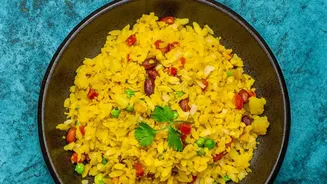
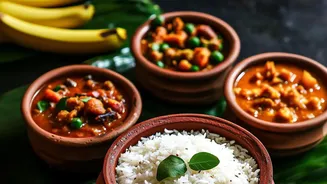
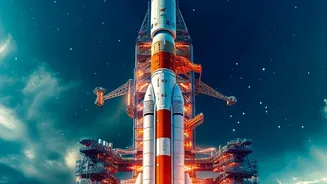
mission, the country's first indigenous human spaceflight program, scheduled for 2027. This initiative, in collaboration with the Indian Space Research Organisation (ISRO) and the Defence Food Research Laboratory (DFRL) in Mysuru, aims to provide astronauts with not just sustenance, but also the psychological comfort of familiar food while they are millions of miles from home. The menu being developed includes a variety of both vegetarian and non-vegetarian options like khichdi, mutton rolls, chicken nuggets, and vegetable biryani.
The Unique Challenges of Space Cuisine
Making food for space is far more complex than just packing a meal. The environment of microgravity presents unique hurdles. For instance, food cannot produce crumbs, as floating particles could damage sensitive spacecraft equipment or be accidentally inhaled by astronauts. This is why many space foods are developed in semi-solid, dehydrated, or paste forms. Additionally, the meals must have a very long shelf life without refrigeration and retain their nutritional value, taste, and texture. Scientists are also carefully managing nutritional content, such as keeping sodium levels controlled while ensuring adequate micronutrients, antioxidants, and Vitamin D to support astronaut health during long missions.
From Kitchen Science to Rocket Science
To achieve these ambitious goals, researchers are employing advanced food processing techniques. One key method is retort processing, where food is sealed in a multi-layered pouch and then sterilized under high heat and pressure. This process kills all microorganisms, ensuring the food remains safe to eat for years without preservatives while preserving much of its original flavour and aroma. The team at NIN is preparing food in semi-solid, ready-to-eat, and dehydrated forms that can be easily reconstituted with a small amount of water. Before any dish gets final approval, it must undergo extensive testing, including simulations that mimic the effects of microgravity on the human body and on the food itself.
More Than Just a Meal
The importance of having familiar, enjoyable food in space cannot be overstated. Beyond pure nutrition, food plays a critical social and psychological role for astronauts. Being isolated in a confined, high-stress environment for extended periods can take a mental toll. A comforting meal can boost morale, reduce stress, and provide a tangible link to home and culture. The effort to include Indian dishes on the menu is a recognition of this fact. It began with Rakesh Sharma, the first Indian in space in 1984, who carried specially packed suji halwa, aloo chole, and vegetable pulao. Today's research builds on that legacy, ensuring future Indian astronauts can also share a piece of their culture with their international crewmates.
The Future of Indian Food in Space
The work being done in Hyderabad and Mysuru is a significant milestone for India's space program. While the initial focus is on the Gaganyaan mission, the technology has broader implications. The techniques used to create these shelf-stable, nutritious meals could find applications on Earth, such as creating rations for military personnel, emergency food supplies for disaster relief, or convenient meals for a commercial market. As India solidifies its position as a major player in space exploration, the ability to provide its astronauts with indigenously developed, culturally resonant food marks a new level of self-reliance and innovation. It's a clear signal that as we reach for the stars, we are taking our rich culinary heritage with us.