


Understanding the 'Danger Zone'
The most important concept in food safety is the 'temperature danger zone'. According to the U.S. Department of Agriculture (USDA), this is the range between 40°F (4°C) and 140°F (60°C). In this zone, harmful bacteria like Salmonella and E. coli can double
in number in as little as 20 minutes. The goal is to move your cooked food through this zone as quickly as possible. Improperly cooled food is one of the most common causes of foodborne illness. Leaving a large, hot pot on the counter to cool, or even putting it directly into the fridge, keeps the food in this danger zone for far too long, creating a perfect breeding ground for pathogens.
The Problem with a Deep Pot
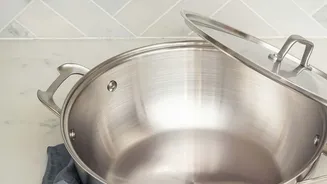
A large pot of soup or stew acts as its own insulator. While the outside edges might cool down, the center of the pot can remain in the temperature danger zone for many hours, even inside a refrigerator. Worse, placing a very hot pot in the fridge can raise the ambient temperature of the appliance, putting other foods at risk. A refrigerator is designed to keep cold food cold, not to cool large masses of hot food rapidly. The heat from the pot forces the fridge's compressor to work overtime and can warm up nearby items like milk, eggs, and other leftovers, potentially pushing them into the danger zone as well.
Divide and Conquer: The Shallow Portion Rule
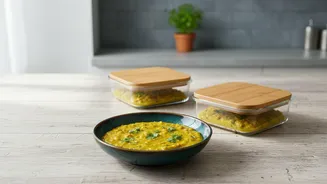
The single most effective strategy is to divide large quantities of food into smaller, shallow containers before cooling. Instead of one large pot, portion the soup, stew, or chili into several containers with a food depth of two inches or less. This dramatically increases the surface area, allowing heat to escape much more quickly. Metal or glass containers are often better choices than plastic because they conduct heat more effectively, further speeding up the cooling process. Once divided, you can move to the next step of active cooling before placing the containers in the fridge.
Actively Cool for Faster Results
For the safest and fastest cooling, don't just rely on portioning. An ice bath is a highly effective method. Place your smaller containers into a larger basin or a clean sink filled with ice and a little water. Stir the food periodically to help release heat from the center. Another professional technique is to use an ice paddle—a reusable, freezable plastic wand designed to be stirred into hot liquids to cool them from the inside out. You can create a DIY version by freezing water in a sturdy, clean stainless steel water bottle and using it to stir the pot (after it's off the boiling heat). Some recipes even allow for adding ice directly as an ingredient at the end to help cool the batch down.
The Two-Stage Cooling Method
Food safety professionals follow a specific two-stage process recommended by the FDA to ensure food passes through the most dangerous temperature ranges quickly. The first stage is to cool the food from 135°F (57°C) down to 70°F (21°C) within two hours. This is the most critical period, as bacteria grow fastest in this upper range. The second stage is to cool the food from 70°F (21°C) down to 41°F (5°C) or below within the next four hours. Using a food thermometer is the only way to know for sure if you are meeting these targets. Food should be refrigerated within two hours of coming off the heat.