



Your Essential Stargazing Toolkit
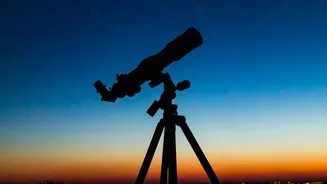
You don't need expensive equipment to enjoy the night sky. The most important tool is patience. Find a spot away from direct streetlights, give your eyes about 20 minutes to fully adapt to the darkness, and avoid looking at your phone—its white light will
ruin your night vision. If you need to use a light, cover a torch with red cellophane. A pair of basic binoculars can dramatically enhance views of the Moon and help you spot planetary details. For navigating the stars, apps like Sky Tonight and Star Walk 2 can identify constellations and planets in real-time.
The Glow of the Harvest Moon
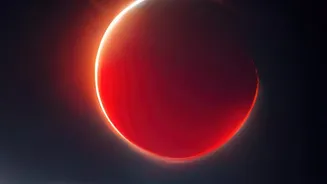
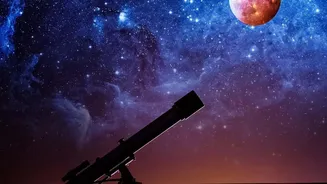
The main event this month is the Full Harvest Moon on Saturday, September 26. This is the full moon that falls closest to the autumnal equinox (September 22), an event that historically gave farmers extra evening light to bring in their crops. While the moon will be technically full during the day in India, it will appear perfectly round and luminous on the nights of both September 26 and 27. Look to the east shortly after sunset to catch its dramatic rise. The Harvest Moon is known for appearing particularly large and golden on the horizon, creating a stunning photo opportunity against cityscapes or natural landscapes.
A Dazzling Dance of Planets
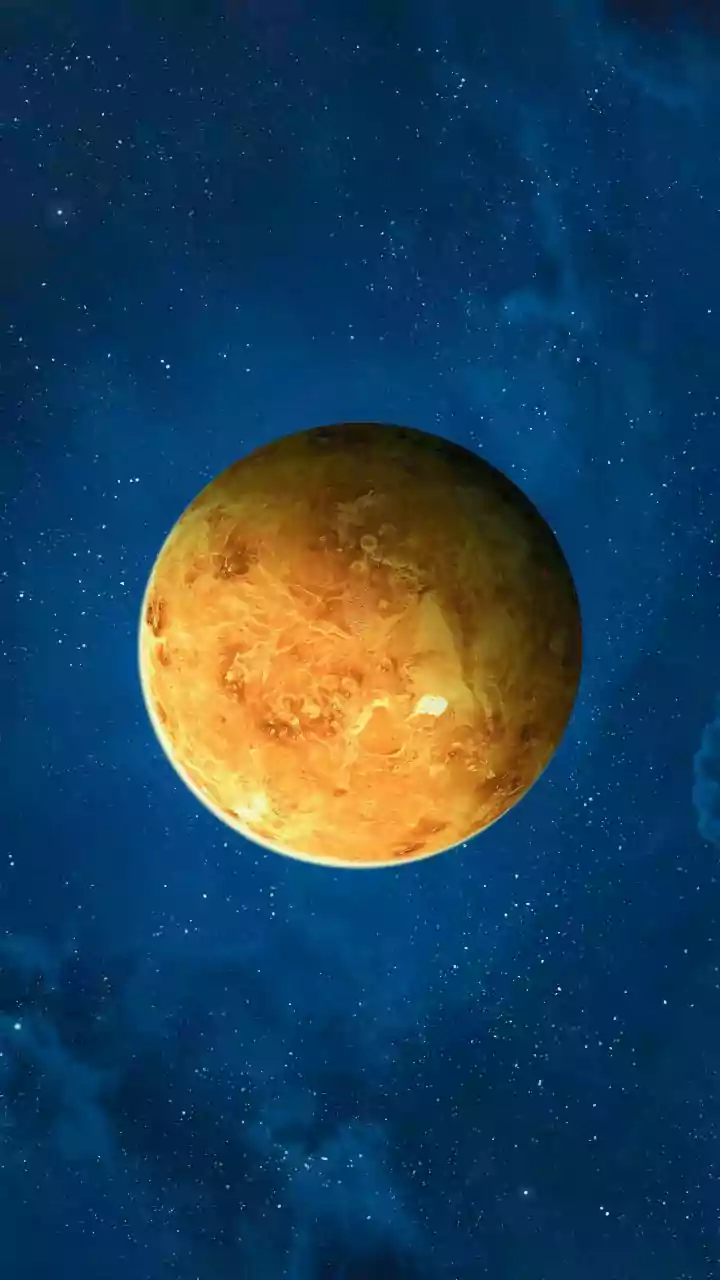
September is a fantastic month for planet-watching. The undisputed star of the evening sky is Venus, which reaches its peak brightness for the entire year on September 22. Look for this brilliant, unblinking light in the southwestern sky just after sunset. On September 14, a crescent Moon will have a close encounter with Venus, creating a beautiful pairing. Further into the night, Saturn is visible for most of the night. For early risers, Mars can be spotted in the pre-dawn sky, appearing as a reddish point of light. On September 6 and 7, the waning crescent Moon will pass near Mars, making it easier to locate.
Faint Whispers of Shooting Stars
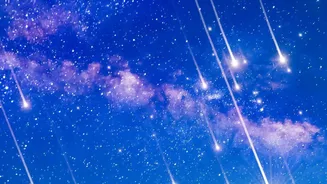
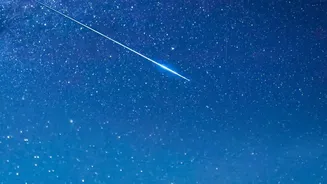
While September doesn't host any major meteor showers, you can still catch some shooting stars. The September Epsilon Perseids will be active from September 5 to 21, peaking around September 9. This is a minor shower, producing about five to eight meteors per hour under ideal conditions. The good news for 2026 is that the peak occurs just before the New Moon, meaning skies will be dark and favourable for spotting even these faint meteors. For the best chance, look towards the constellation Perseus in the northeast after 10 or 11 p.m. local time.
From Urban Balconies to Dark-Sky Sanctuaries
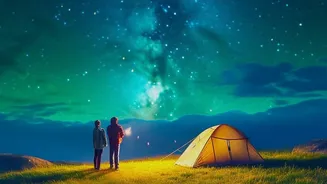
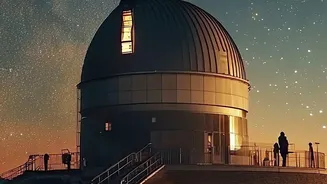
You can enjoy September's sky from almost anywhere. From a city rooftop or balcony, focus on the brightest objects: the Moon and planets like Venus and Saturn. The glare of urban lights will wash out fainter stars, but these celestial beacons shine through. For a truly breathtaking experience, however, consider a trip to a dark-sky location. India is home to its first official Dark Sky Reserve in Hanle, Ladakh, which offers some of the clearest skies on Earth. Other excellent locations known for minimal light pollution include Spiti Valley in Himachal Pradesh, the Rann of Kutch in Gujarat, and parts of the Western Ghats in Coorg. Planning a trip to one of these spots during a new moon can reveal the magnificent, star-dusted arm of our own Milky Way galaxy.