
What is a 'Use-First' System?
A 'use-first' system isn't about buying a new container; it's a simple strategy for organising your kitchen and your meal plan. The concept is straightforward: designate a specific area in your fridge or on your counter for produce that needs to be eaten
quickly. This visual reminder helps you prioritise the most perishable items, ensuring they land on your plate instead of in the bin. By focusing on what needs to be used first, you can drastically cut down on food waste, which often happens in our own homes. It encourages you to cook with the freshest ingredients, leading to more flavourful and nutritious meals.
Identifying the Delicate Players
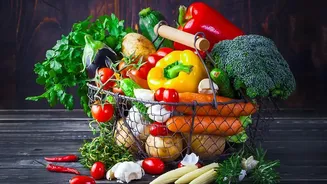
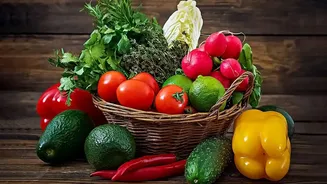
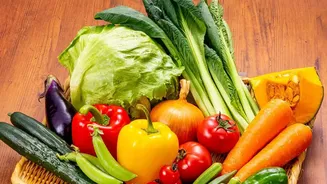
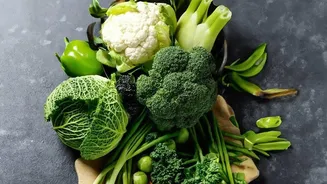
The first step is knowing which vegetables are the most delicate. These are typically items with a high water content or tender leaves that lose their crispness quickly. Leafy greens have the shortest shelf life of all vegetables. This category includes spinach (palak), fenugreek (methi), coriander (dhania), and mint (pudina). Mushrooms, fresh herbs, asparagus, and green beans are also on this list. Vegetables with softer skins like zucchini, bell peppers, and tomatoes are next in line. Understanding this hierarchy is key to planning. When you bring your groceries home, take a moment to sort them. Anything that is likely to wilt or spoil within a few days should be front and centre in your 'use-first' plan.
The Art of Smart Storage
Even for produce you plan to use quickly, proper storage can make a huge difference. For leafy greens like spinach, it's best to wash and dry them thoroughly. You can then store them in an airtight container lined with a paper towel to absorb any excess moisture, which is the main culprit behind wilting. Fresh herbs such as coriander and mint can be kept fresh longer by placing their stems in a glass of water, like a bouquet of flowers, or wrapping them in a damp cloth before refrigerating. Taking these extra five minutes after shopping can extend the life of your delicate vegetables by several days, giving you more flexibility in your meal planning.
Quick Meals for Quick-Wilting Veggies
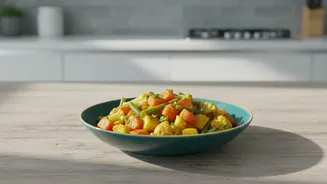
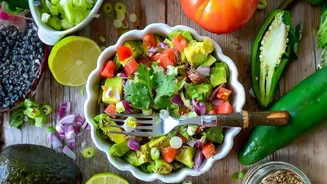
Having a 'use-first' box is only effective if you have a plan to empty it. Think of simple, versatile meals that can easily incorporate these ingredients. A handful of spinach or chopped coriander can be tossed into nearly anything. Start your day by adding leafy greens to omelettes, or blend them into a morning smoothie with fruit. For lunch or dinner, a quick stir-fry is a perfect way to use up a mix of vegetables like bell peppers, mushrooms, and green beans. Soups are another excellent vehicle for vegetables that are slightly past their prime. Even wilted greens can be revived and add immense flavour and nutrition to a warm soup or a flavourful dal.
Embracing the Hardy Veggies Last
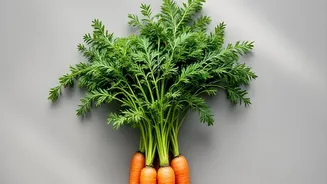
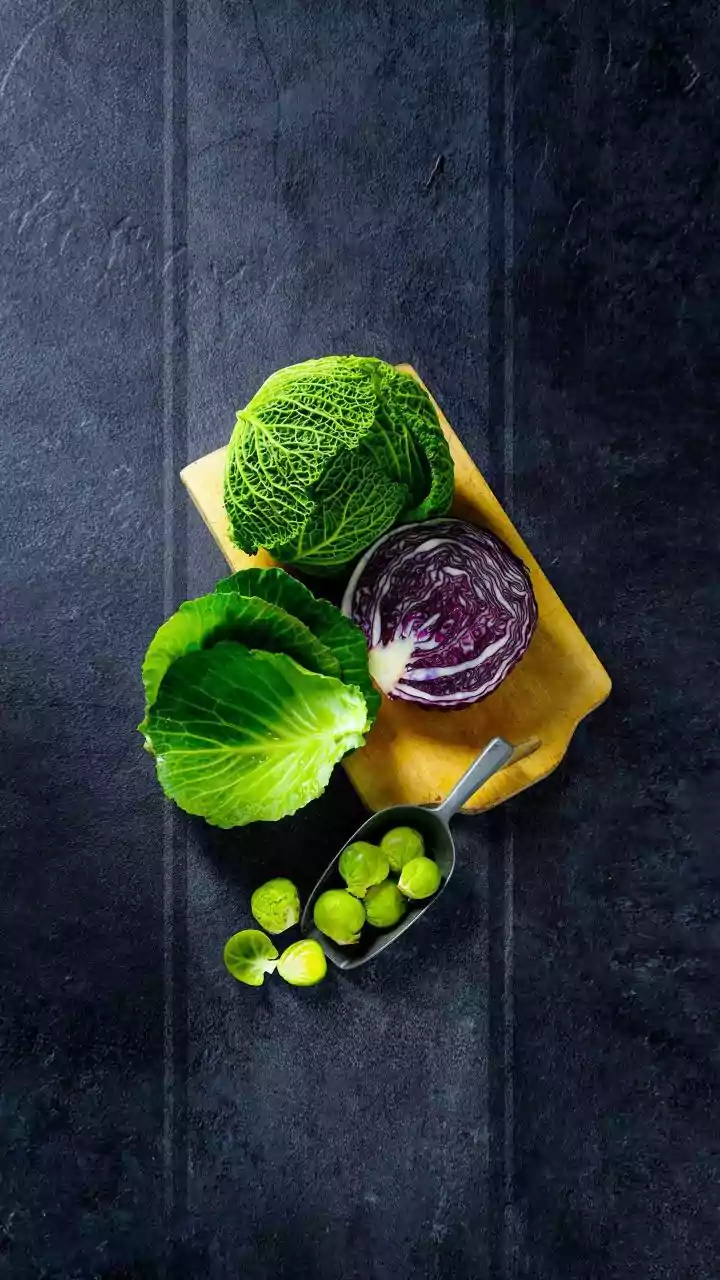
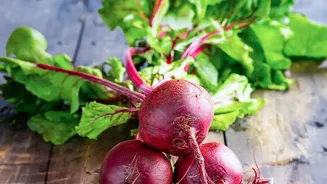
While your delicate greens get the spotlight, don't forget about the rest of your produce. Hardy root vegetables like potatoes, carrots, onions, and beets have a much longer shelf life and can be saved for later in the week. Sturdy vegetables like cabbage and cauliflower are also more forgiving. By planning your meals around the 'use-first' principle, you'll naturally cook with your leafy greens and herbs early in the week and move on to the more durable vegetables later. This not only ensures everything gets eaten but also adds variety to your diet throughout the week, preventing mealtime boredom.