
From Scrap to Star Ingredient
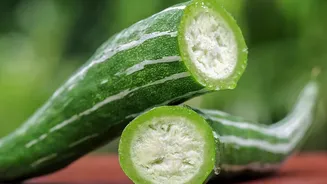
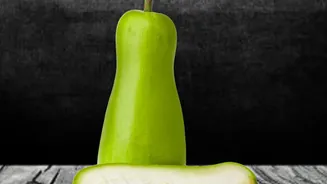
The humble bottle gourd, or lauki, is a staple in many Indian households. While its flesh is used in curries, dals, and even desserts, the peel is almost always destined for the compost or dustbin. This is a missed opportunity. The peels, which are rich
in fibre, possess a unique texture that, when prepared correctly, can be surprisingly tender and flavourful. Embracing a 'root to leaf' cooking philosophy allows us to see ingredients like this not as waste, but as the foundation for a new dish. By boiling or steaming the peels until soft, they become a perfect base for flavourful, melt-in-the-mouth kebabs.
The Foundation: Building the Kebab Mixture
Once the peels are boiled and soft, the first step is to remove excess water by squeezing them thoroughly. This step is critical to ensure the kebabs are not soggy and hold their shape. The prepared peels are then typically ground or finely chopped. To this, a binding agent is added. Roasted gram flour (besan) is a popular choice, lending a nutty flavour and helping to absorb any remaining moisture. Boiled and mashed potatoes or even breadcrumbs can also be used for a softer texture. Finely chopped onions, ginger-garlic paste, and fresh coriander are essential aromatics that build the first layer of flavour in the mixture.
The Heart of Flavour: Core Spices
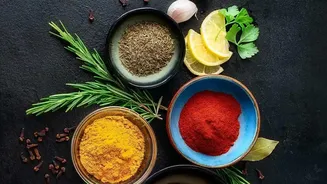
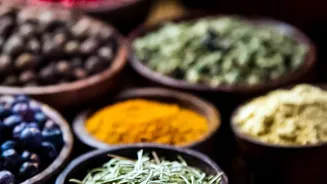
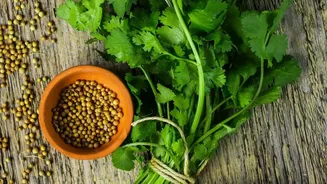
The magic of transforming the neutral-tasting peels lies in the spice blend. A classic combination found in many recipes includes a few key players from the Indian masala dabba. Turmeric powder (haldi) imparts a warm, earthy colour and subtle flavour. Coriander powder brings a mild, citrusy note, while cumin powder adds a characteristic smoky depth. Red chilli powder provides the necessary heat, which can be adjusted to your preference. And no kebab is complete without garam masala, a complex blend that adds warmth and a bouquet of aromatic notes right at the end. These spices work in harmony to create a profile that is both familiar and robust, masking the humble origins of the main ingredient.
Elevating the Taste: Aromatic Accents
Beyond the core spices, other ingredients can elevate the kebabs from good to great. Chaat masala or amchur (dry mango powder) is frequently added to provide a tangy, sour kick that balances the richness and earthiness of the other spices. This hint of acidity brightens the overall flavour profile. Some recipes also call for ajwain (carom seeds) for their distinct, slightly pungent taste, which aids digestion. A paste of green chillies and ginger brings a fresh, sharp heat that complements the dry spices beautifully. For added texture and richness, some cooks mix in coarsely ground peanuts or cashews.
Cooking to Crispy Perfection
Once the mixture is prepared—it's best to let it rest for about 10-15 minutes for the flavours to meld—it's time for shaping and cooking. Take small portions of the mixture and form them into round, flat patties or oval shapes. These kebabs are delicate, so handle them with care. They are best cooked by shallow-frying on a non-stick pan or tawa with a bit of oil. Cook them on a medium-low flame, allowing each side to turn golden brown and crispy. This slow cooking ensures the inside is cooked through while the outside develops a satisfying crust. The result is a kebab that is crispy on the outside yet soft and flavourful within.