
A potential NASA-ISRO partnership on a moon base could open unprecedented opportunities for India's young engineers in aerospace, AI, and robotics.
An Invitation to Build the Future
In early August 2026, during a high-level joint working group meeting in Bengaluru, NASA extended a formal
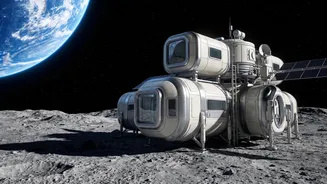
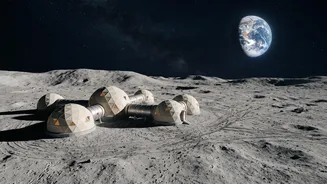
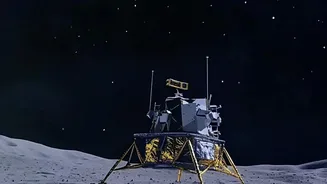
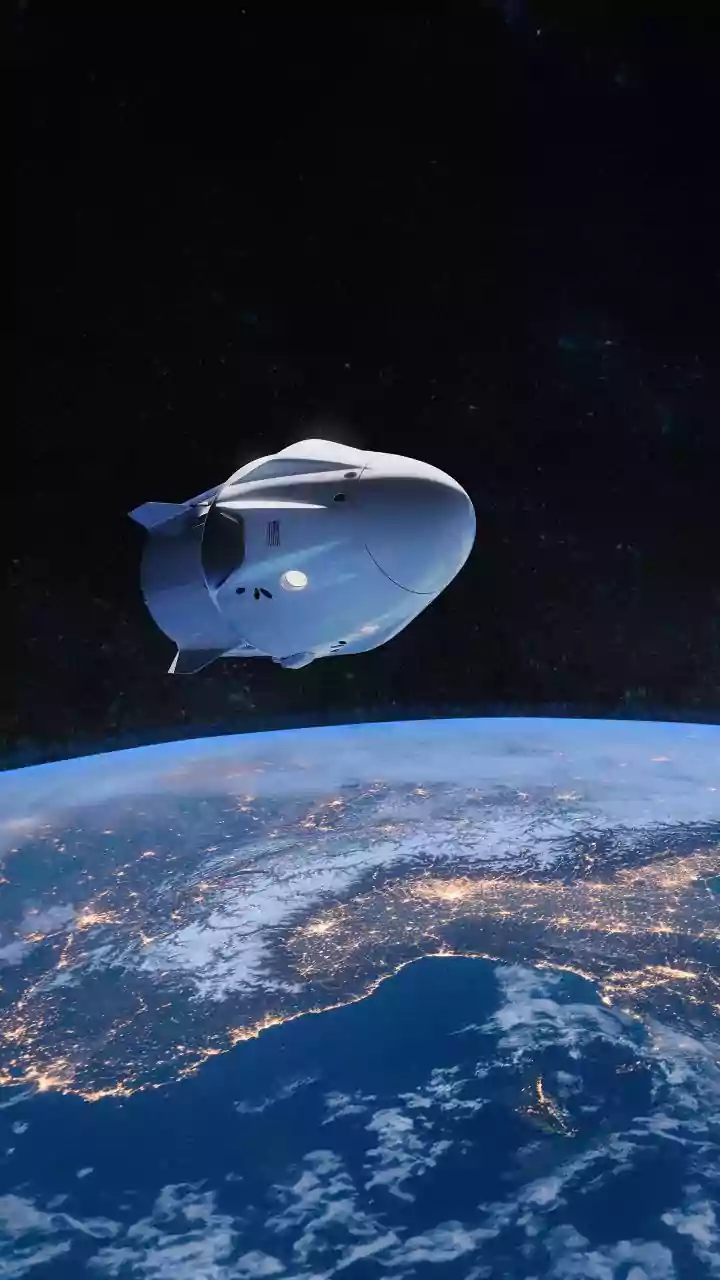
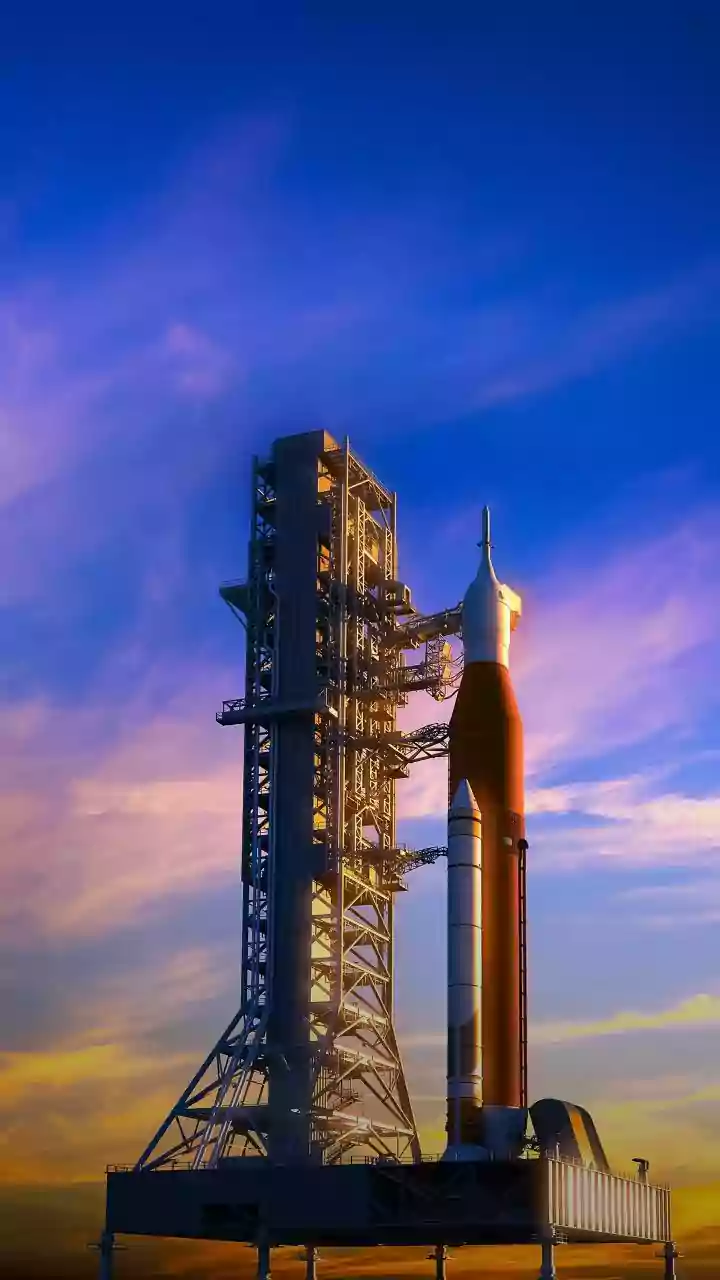
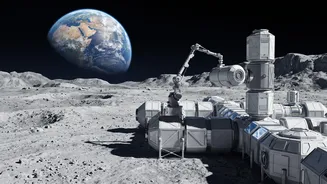
invitation to the Indian Space Research Organisation (ISRO) to collaborate on its Artemis moon base program. This initiative aims to establish humanity's first permanent outpost on the Moon, a crewed settlement near the lunar south pole where astronauts will live, work, and explore. The invitation isn't just a diplomatic gesture; it's a direct result of India signing the Artemis Accords in 2023 and a recognition of ISRO's rapidly advancing capabilities. The Accords, a US-led framework for peaceful and cooperative space exploration, set the stage for this deeper partnership. This collaboration would move India from being a signatory to an active construction partner in humanity's return to the Moon.
Why ISRO is a Key Partner
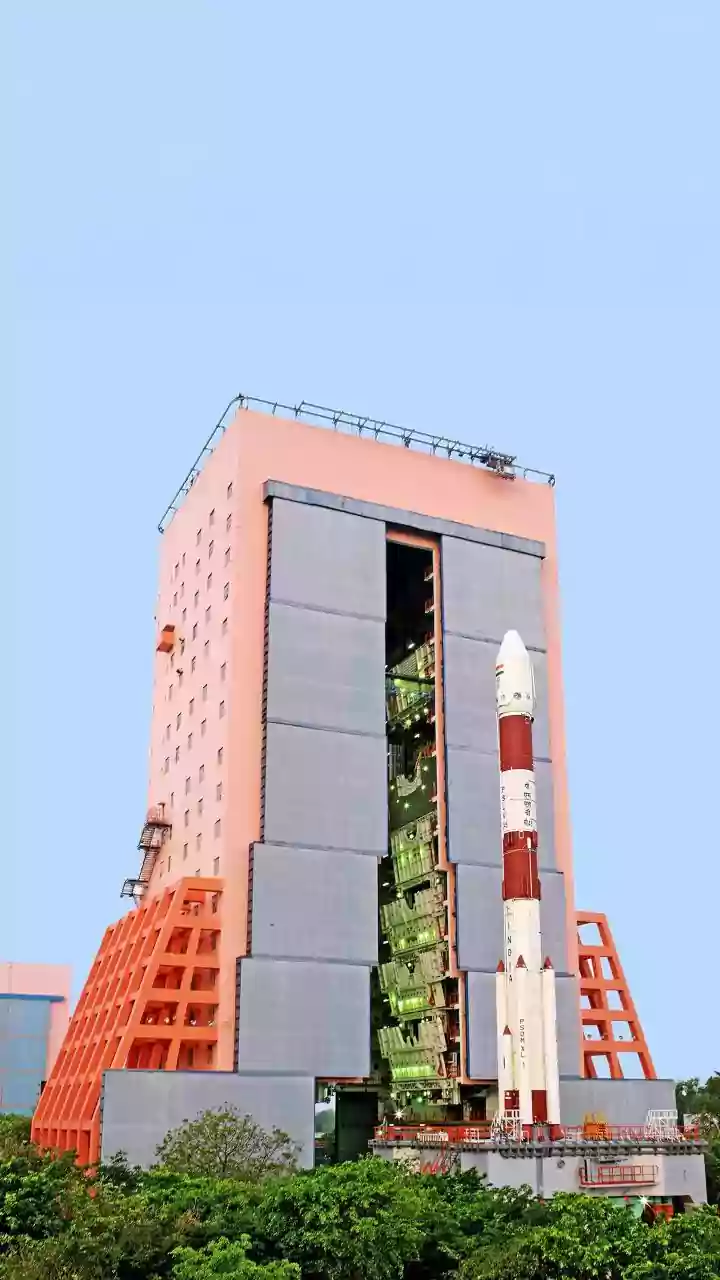
NASA's interest in ISRO is no surprise. India's string of successful and remarkably cost-effective missions, most notably the historic Chandrayaan-3 landing near the lunar south pole, has cemented its reputation as a space-faring powerhouse. This expertise in frugal engineering and south pole exploration is invaluable to the Artemis program, which is also targeting the same region for its water ice deposits. Beyond technical prowess, India brings a strategic advantage. As the world's largest democracy with a thriving technology sector, partnership with India strengthens the US-led vision for a collaborative, rules-based order in space, especially amidst growing competition. The successful joint NISAR satellite mission, launched in 2025, has already proven the effectiveness of the NASA-ISRO partnership on complex projects.
From Rovers to Robotics: India’s Potential Role
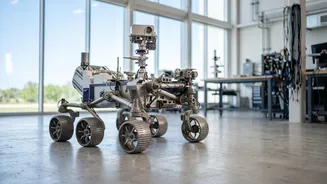
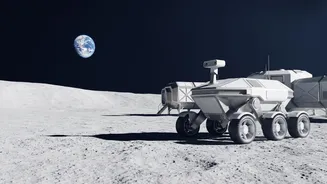
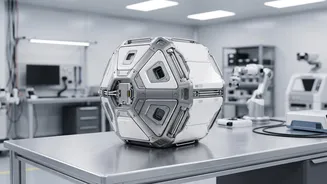
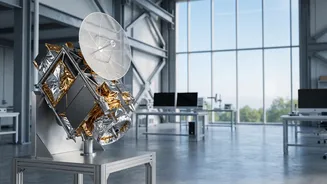
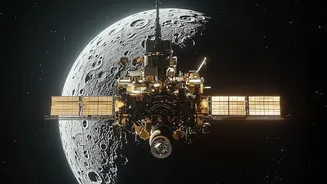
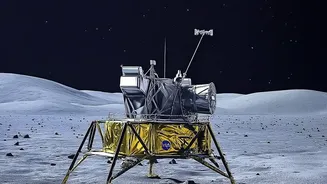
While specific contributions are still under discussion, India could play a multitude of roles in building the lunar base. Drawing on its Chandrayaan experience, ISRO could be tasked with developing advanced robotic rovers for exploration, resource mapping, or construction support. Another key area could be in developing communication and navigation systems, crucial for a permanent lunar settlement. India's world-class software industry could contribute to mission control software, data processing, and autonomous systems that will run the base. There is also potential for Indian companies in the burgeoning private space sector to supply components, from life-support systems to habitat modules, leveraging the nation's manufacturing strengths. This collaboration would provide a massive boost to India's own goal of establishing a 'Bharatiya Antariksha Station' by 2035 and landing an Indian on the Moon by 2040.
A Launchpad for Young Engineers
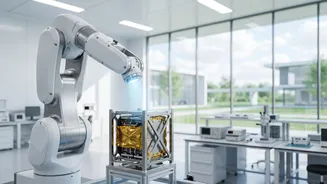
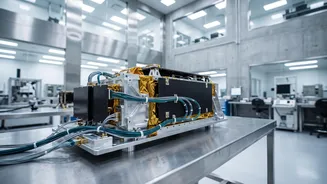
For India's engineering students and recent graduates, this potential collaboration is a game-changer. The demand for specialised skills will skyrocket, creating high-value jobs across a spectrum of disciplines. Aerospace and mechanical engineers will be needed to design and build launch vehicles, spacecraft, and lunar hardware. Electronics and avionics engineers will be critical for developing the complex control, communication, and power systems. Perhaps the biggest growth area will be for software engineers, data scientists, and AI/ML specialists. A lunar base will be a marvel of automation, requiring experts in robotics, autonomous navigation, and data analysis to manage operations and interpret scientific findings. Furthermore, fields like materials science will be essential for creating structures and components that can withstand the harsh lunar environment. This project will supercharge India's private space ecosystem, with startups like Skyroot Aerospace, Agnikul Cosmos, and Pixxel poised to become key players in the global supply chain.