






A Platform for the Farmer
At their core, mango festivals are powerful platforms for agricultural communities. Events like the Uttar Pradesh Mango Festival in Lucknow, which recently showcased over 800 varieties, are not just exhibitions. They function as crucial knowledge-sharing
hubs where growers connect with agricultural scientists, government bodies, and each other. These festivals often feature seminars and workshops on modern cultivation techniques, pest management, and post-harvest processing. For instance, officials at the UP festival emphasised the importance of AI-based farming and chemical-free cultivation to meet global standards. This direct engagement provides farmers with the tools and knowledge to improve crop quality, increase yield, and enhance their income. By honouring progressive orchardists and facilitating these connections, the festivals play a significant role in strengthening the backbone of India's horticultural sector.
Driving Tourism and Brand India
Mango festivals are increasingly being positioned as significant tourist attractions. State governments and tourism bodies, like Delhi Tourism, actively organise these events to draw both domestic and international visitors. Festivals in Delhi, Goa, and Haryana are marketed as complete cultural experiences, featuring music, dance, and craft bazaars alongside the main event. The Bengal Mango Mela in New Delhi, for example, is organised with the theme 'Tradition, Taste, Tourism, Textiles & Togetherness', explicitly linking the fruit to a broader cultural and tourism showcase. This strategy not in only boosts the local hospitality industry but also promotes a form of 'agri-tourism'. Initiatives like the new 'Kakori Brand' for Malihabadi mangoes, launched at the UP festival, also show a sophisticated effort to build a strong brand identity for regional produce on the global stage, further enhancing India's reputation as a premier mango producer.
Fueling Local Food Economies
The economic impact of a mango festival ripples through the entire local community. For farmers, it offers a direct-to-consumer sales channel, allowing them to bypass intermediaries and secure better prices for their produce. These events are also a boon for small-scale entrepreneurs and the value-added food industry. Stalls brim with an array of mango-based products, from traditional pickles, juices, and aam papad to innovative creations like mango mutton, mango fish fry, and gourmet desserts. The Bengal Mango Mela, for instance, runs alongside a handloom and handicrafts expo, creating a larger marketplace that benefits artisans and weavers as well. This synergy creates a vibrant, temporary marketplace that provides a significant economic injection, supporting livelihoods and celebrating regional culinary and artisanal heritage.
Preserving Agricultural Diversity
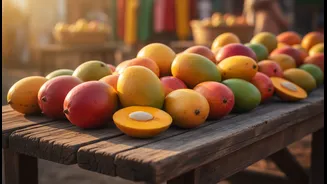
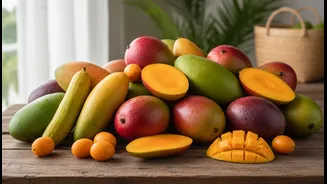
In an era of agricultural homogenisation, mango festivals serve as living libraries of India's incredible biodiversity. By showcasing hundreds of varieties in one place—from the famous Dasheri and Himsagar to rare, local specialities like Kohitoor—these festivals raise public awareness about the rich genetic heritage at risk. Many festivals, like those organised by the West Bengal government, make a concerted effort to find and promote varieties facing extinction. This display not only educates consumers, helping them appreciate the nuances between different types of mangoes, but also incentivises farmers to continue cultivating heirloom and less common varieties. This preservation of diversity is crucial for food security and maintaining the unique cultural identity associated with India's favourite fruit.