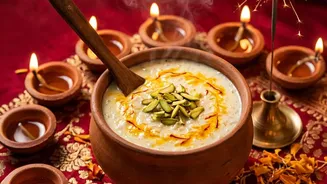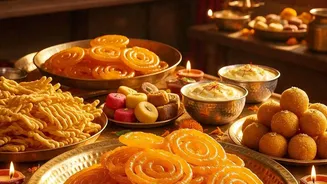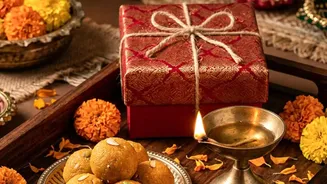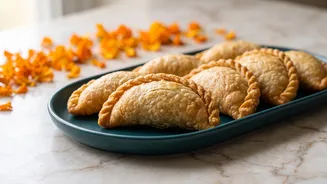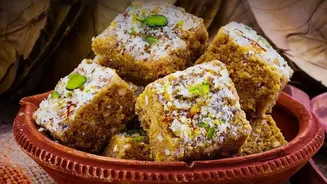


The aroma of ghee-roasted besan and simmering sugar syrup is the scent of Diwali. Making mithai at home is a cherished tradition, but it can feel overwhelming. Here’s a simple guide to help you plan and organise a festive sweet menu with joy.
Begin with a Blueprint
A great Diwali
spread doesn't just happen; it’s planned. Before you touch a single ingredient, sketch out your menu. Aim for four to six different sweets. This provides variety without creating unnecessary stress. Think about who you're serving. Are there kids? Health-conscious elders? A mix of traditionalists and modern foodies? A well-considered plan is your roadmap to a successful and enjoyable cooking experience. Categorise your list into different types: a milk-based sweet, a lentil or flour-based one, a fried treat, and perhaps a quick, no-cook option. This simple structure ensures your final platter feels balanced and thoughtfully curated.
Balance Flavours, Textures, and Effort
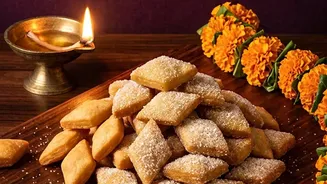
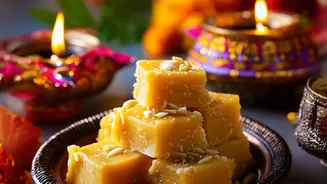
The secret to an impressive mithai platter lies in contrast. Pair a rich, dense sweet like Mysore Pak with a light, spongy one like Rasgulla. A crumbly, nutty Besan Ladoo is a wonderful counterpart to a smooth, creamy Barfi. This balance isn't just for taste; it's also for your sanity. Mix complex, skill-based recipes like Gulab Jamun with simple, 30-minute wonders. For instance, Coconut Ladoos made with condensed milk or quick milk powder Pedas can be prepared in under 20 minutes, giving you delicious results with minimal effort. Don't forget a crunchy element like Shakarpara or Til Chikki to break up the soft textures.
Embrace the Make-Ahead Heroes
Not every sweet needs to be made on Diwali day. In fact, many mithai taste better after a day or two, allowing the flavours to mature. Ladoos, barfis, and ghee-based sweets store exceptionally well in airtight containers. You can start preparing these up to three days in advance. Dry fruit-based sweets, like Anjeer Barfi or date and nut ladoos, have an even longer shelf life and are a great option for those avoiding refined sugar. Planning your cooking timeline this way frees up your festival days for final touches and, most importantly, for celebrating with family and friends.
Include a Modern or Fusion Twist
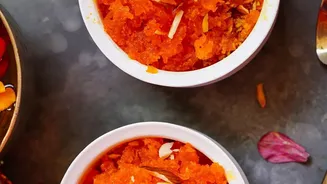
While tradition is the heart of Diwali, a touch of innovation can make your menu truly memorable. Fusion desserts are a fantastic way to delight guests, especially younger ones. Consider simple yet impressive ideas like Gajar Ka Halwa Truffles or Gulab Jamun Cheesecake Jars. Even something as simple as chocolate dipped Pedas can add a novel touch. These modern recipes don't have to be complicated. Many, like Ras Malai Pudding Cake or no bake cheesecake jars, can be prepared in advance, blending the best of both worlds without adding to last minute pressure.
Master the Art of Presentation
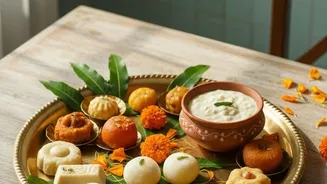
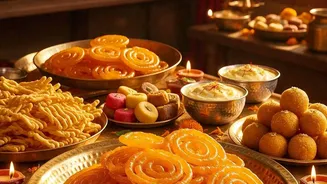
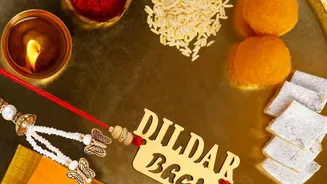
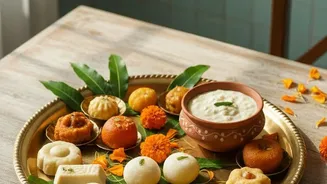
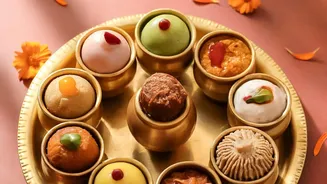
After all your hard work, presentation is what ties everything together. You don't need to be a professional food stylist. A large platter, or 'thali', allows you to arrange the sweets without piling them up. Use small bowls ('katoris') to hold syrupy items like Gulab Jamun or Rasgulla, keeping them separate from dry sweets. Create visual appeal by arranging the mithai by colour and shape. Fill any gaps with nuts, dried fruits, or even edible flowers. Balancing the platter with a few savoury items like masala nuts can also provide a welcome contrast to the sweetness. A beautifully arranged platter makes your homemade sweets look as incredible as they taste.