

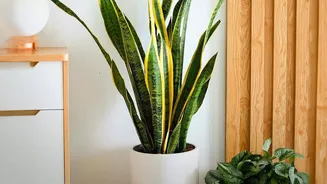
In a world of constant notifications and demanding deadlines, home is no longer just a place to live—it’s a sanctuary. For busy working professionals, creating a low-stress environment is paramount, and the secret lies in a simple, neutral palette.
The Psychology of a Calm Space
After
a long day of high-stakes decisions and digital overload, the last thing the mind needs is more stimulation. This is where the psychology of colour comes into play. Neutral palettes—think soft whites, greys, beiges, and earthy tones—are proven to have a calming effect on our psyche. They reduce visual 'noise', which helps lower cognitive load and mental fatigue. For professionals grappling with decision fatigue, coming home to a visually quiet and uncluttered space provides an immediate sense of relief and tranquility. This isn't about a lack of creativity; it's a strategic choice to build a personal haven that actively works to reduce stress and restore mental clarity.
More Than Just Beige
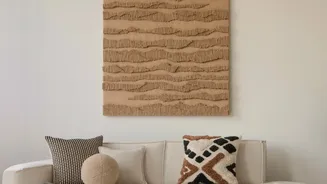
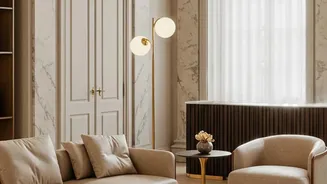
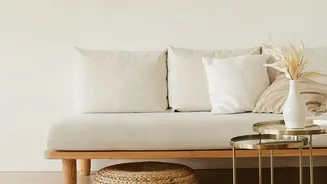
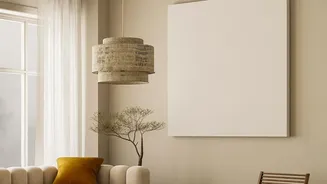
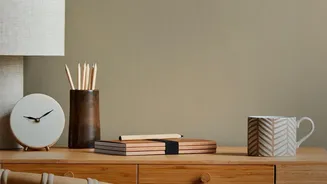
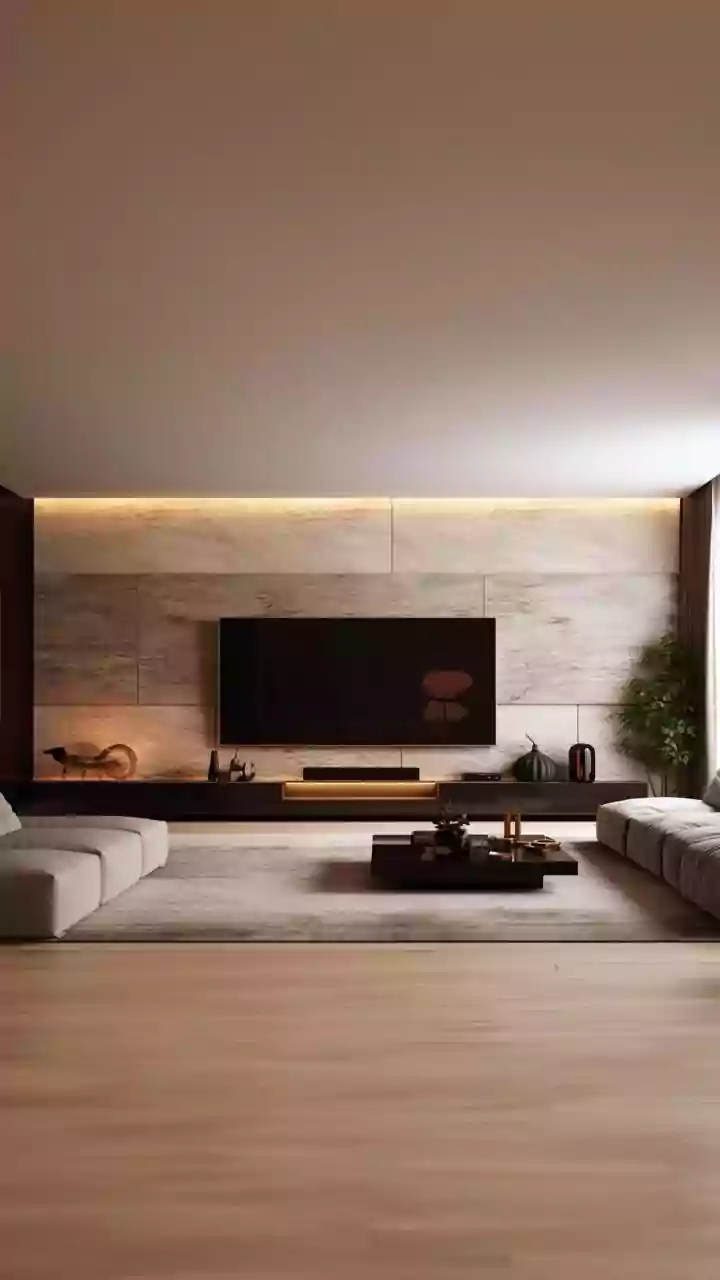
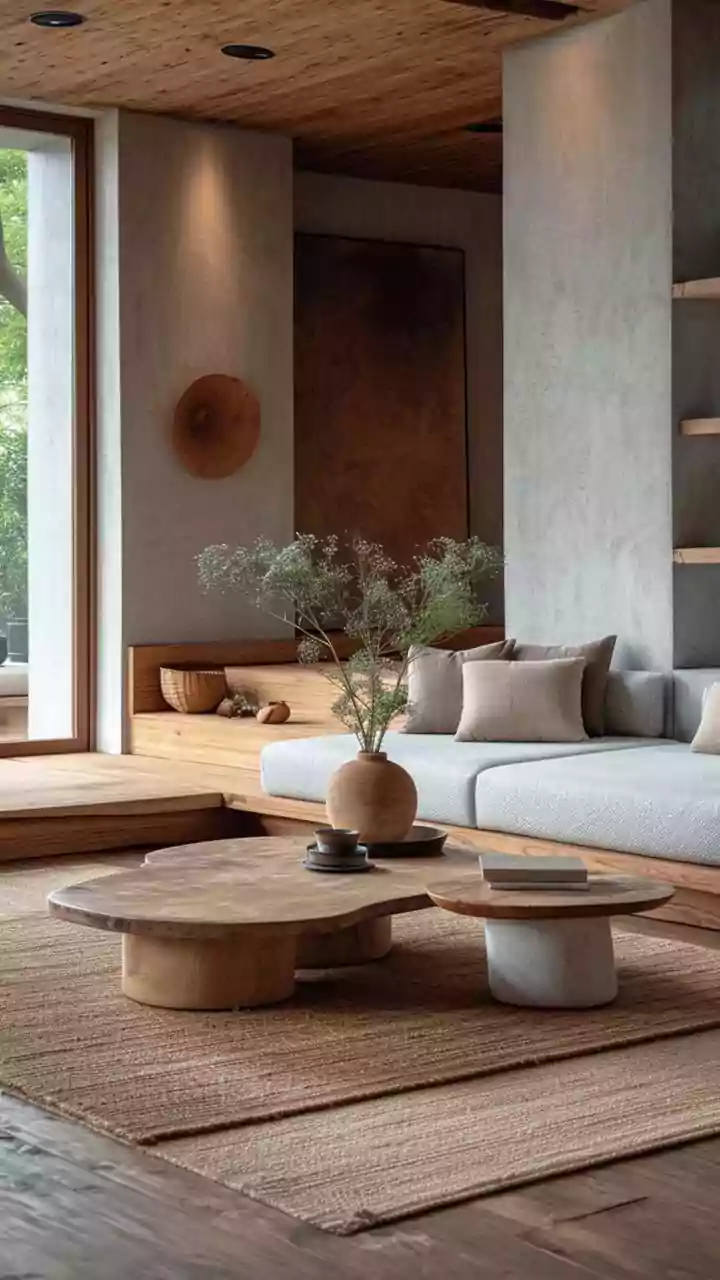
A common misconception is that neutral decor is boring or sterile. However, modern neutrals are far from flat. The new palette includes warm earthy tones like terracotta, sage green, and sand, which create a grounded and inviting atmosphere. These colours work beautifully in the warm, golden light common in many Indian homes. Interior designers emphasize that the key to a successful neutral space is not the absence of colour, but the thoughtful layering of textures. Mixing materials like wood, jute, linen, stone, and matte metals adds depth, warmth, and character. This approach transforms a simple room into a sophisticated and sensory experience without creating visual clutter.
A Canvas for Personality and Flexibility
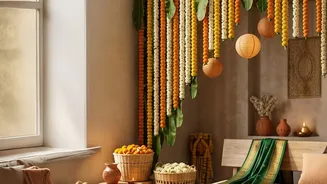
One of the biggest advantages of a neutral foundation is its timelessness and flexibility. Unlike trend-driven colours that can quickly feel dated, a neutral backdrop allows for easy and affordable updates. For a busy professional, this is incredibly practical. Seasonal decor, new artwork, or colourful textiles can be swapped in and out without requiring a complete overhaul. This versatility means your home can evolve with your tastes. A neutral palette acts as a canvas, making personal items—like handcrafted decor, family photos, or travel souvenirs—the true focal points. In India, this often translates to a 'Modern Indian Fusion' style, where clean, minimalist layouts are punctuated with meaningful accents like traditional textiles or brass decor.
Creating a Digital Detox Zone
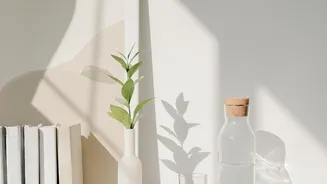
The lines between work and home have never been more blurred. A neutral, minimalist home helps create a necessary boundary. By promoting a calm, uncluttered environment, it encourages a 'digital detox' and helps signal to the brain that it's time to unwind and disconnect. A serene bedroom, in particular, is crucial for restorative sleep, and colours like soft blue or light grey have been shown to promote relaxation. The minimalist principle of 'less is more' reduces distractions and the anxiety that can come from a chaotic environment, improving focus and overall well-being. Adding elements of biophilic design, such as indoor plants (real or high-quality faux), further enhances this connection to nature and tranquility.
How to Get Started
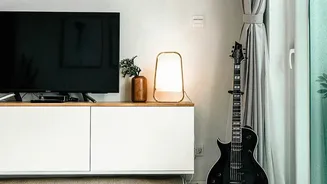
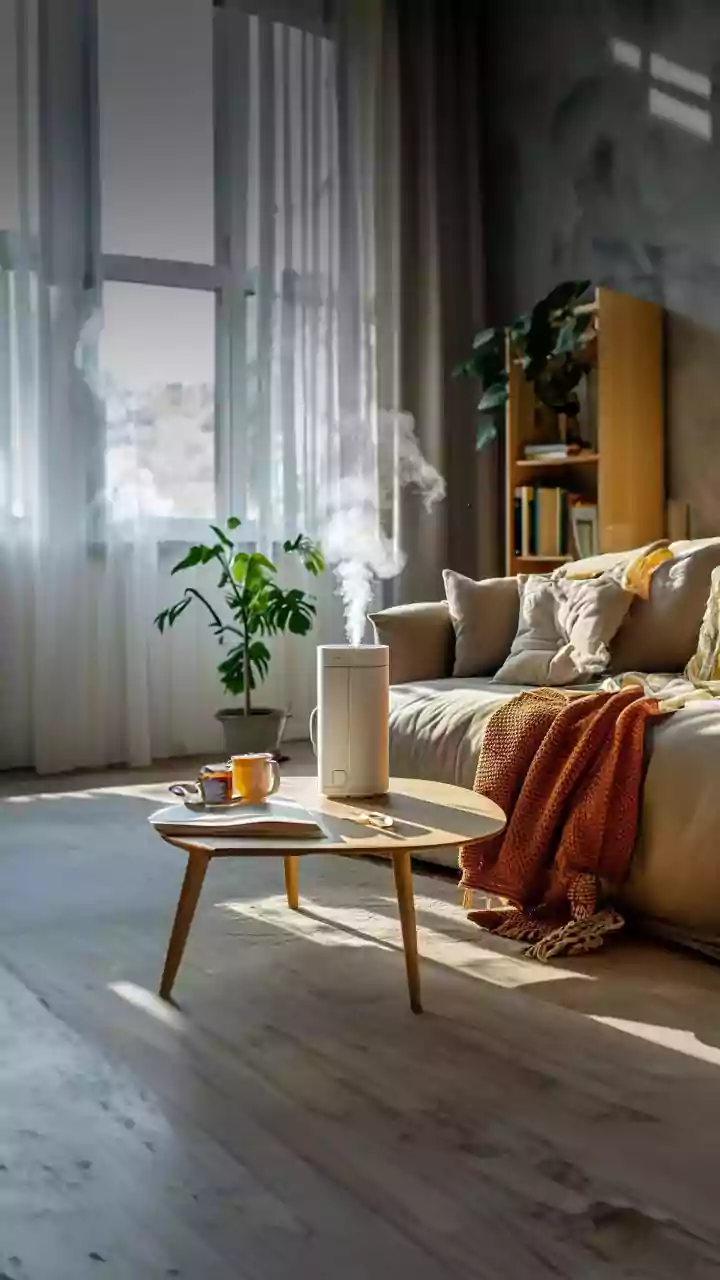
Transitioning to a neutral palette doesn't have to be overwhelming. Start small. Begin by decluttering one room to reduce visual noise. Swap out brightly coloured cushion covers and throws for ones in muted, earthy tones or rich textures. Introduce natural elements like a wooden tray, a ceramic vase, or a small plant. Pay attention to lighting; warm, diffused light is softer on the eyes and creates a cosier atmosphere. To add depth, introduce a dark accent, like a black picture frame or a charcoal grey rug, which can anchor the space and provide a sophisticated contrast without adding stress.