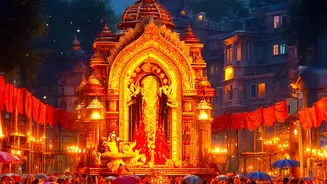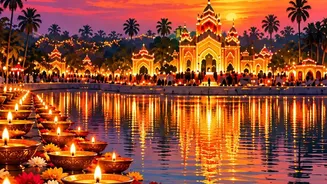




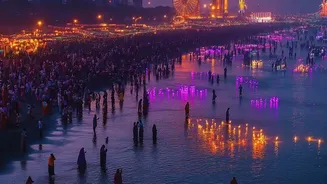

Imagine millions of earthen lamps flickering in unison, their collective glow transforming a sacred river into a flowing stream of light. This is Ayodhya's Deepotsav, an event that has grown into a breathtaking spectacle of faith, art, and technology.
A Spectacle of Unprecedented Scale
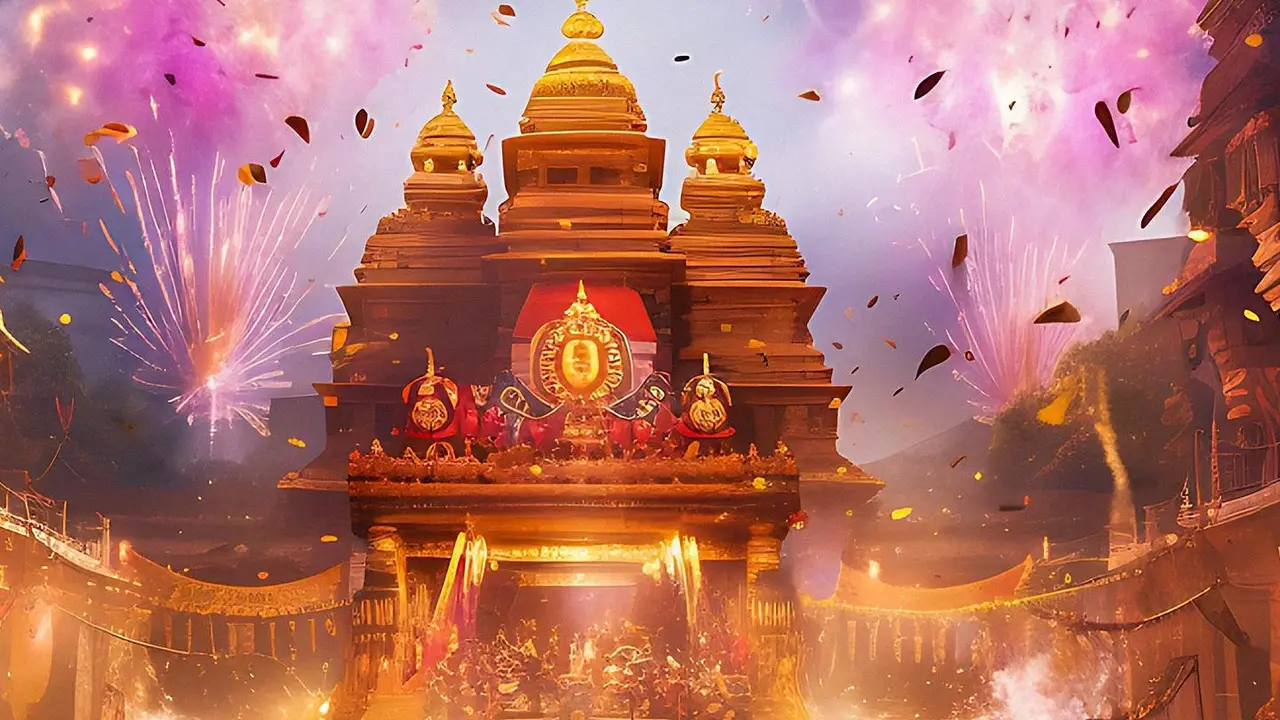
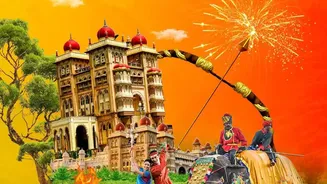
The Ayodhya Deepotsav, first organized by the Uttar Pradesh government in 2017, is a grand celebration held on the eve of Diwali to mark Lord Ram's return to his kingdom. What began as a state festival has quickly escalated into a global phenomenon. The 2026 edition, scheduled for November 7, is the tenth in the series and is set to continue the tradition of breaking its own records. Preparations are underway to light an astonishing 3.3 million diyas along the ghats of the Saryu river. This is not just about lighting lamps; it's a meticulously planned event involving tens of thousands of volunteers, a grand procession of tableaus depicting the Ramayana, and a host of cultural performances. The evening culminates in a grand Saryu Aarti, followed by a technologically advanced drone show with 2,100 drones, laser presentations, and green fireworks, blending ancient tradition with modern spectacle.
The Rise of Festival Tourism
Ayodhya's Deepotsav is a powerful example of 'festival tourism', a travel trend gaining significant momentum across India. More and more travellers are planning their holidays around major cultural and religious events, seeking immersive experiences that go beyond typical sightseeing. These festivals offer a unique window into a region's culture, traditions, and community life at their most vibrant. From the Durga Puja in Kolkata to the Hornbill Festival in Nagaland, such events have become major tourism drivers, recognized by both state and central governments for their potential. This form of tourism not only attracts domestic and international visitors but also translates into significant economic activity, creating employment and boosting local businesses in hospitality, retail, and transport.
Ayodhya's Grand Transformation
The global recognition of Deepotsav has gone hand-in-hand with a massive infrastructural makeover of Ayodhya itself. With an outlay of around ₹85,000 crore under the Ayodhya Vision Plan, the city is being developed into a world-class spiritual and tourism hub. This includes a new international airport, a modernized railway station capable of handling over 60,000 people daily, new townships like 'Navya Ayodhya', and revamped highways for better connectivity. The goal is to create a 'Heritage Smart City' that can comfortably host the tens of millions of visitors now arriving annually, a number that has seen exponential growth since the inauguration of the Ram Mandir. This development aims to manage the influx of tourists while preserving the ancient city's spiritual character.
The Economic Ripple Effect
The impact of Deepotsav and the broader tourism boom extends deep into the local economy. The festival itself creates a demand that benefits a wide range of people. Potters and artisans, including women from self-help groups in surrounding villages, find significant employment making millions of lamps. During the festival, hotels, guest houses, transport providers, and local vendors see a massive surge in business. But the economic story is now a year-round phenomenon. The sustained influx of tourists is driving a construction boom, with over 50 major hotel projects from brands like Taj and Marriott underway. This has led to the creation of over 1.2 lakh new jobs since 2024 and a sharp appreciation in land and property values, fundamentally reshaping Ayodhya's economy.