




The Allure of the Quick Fix
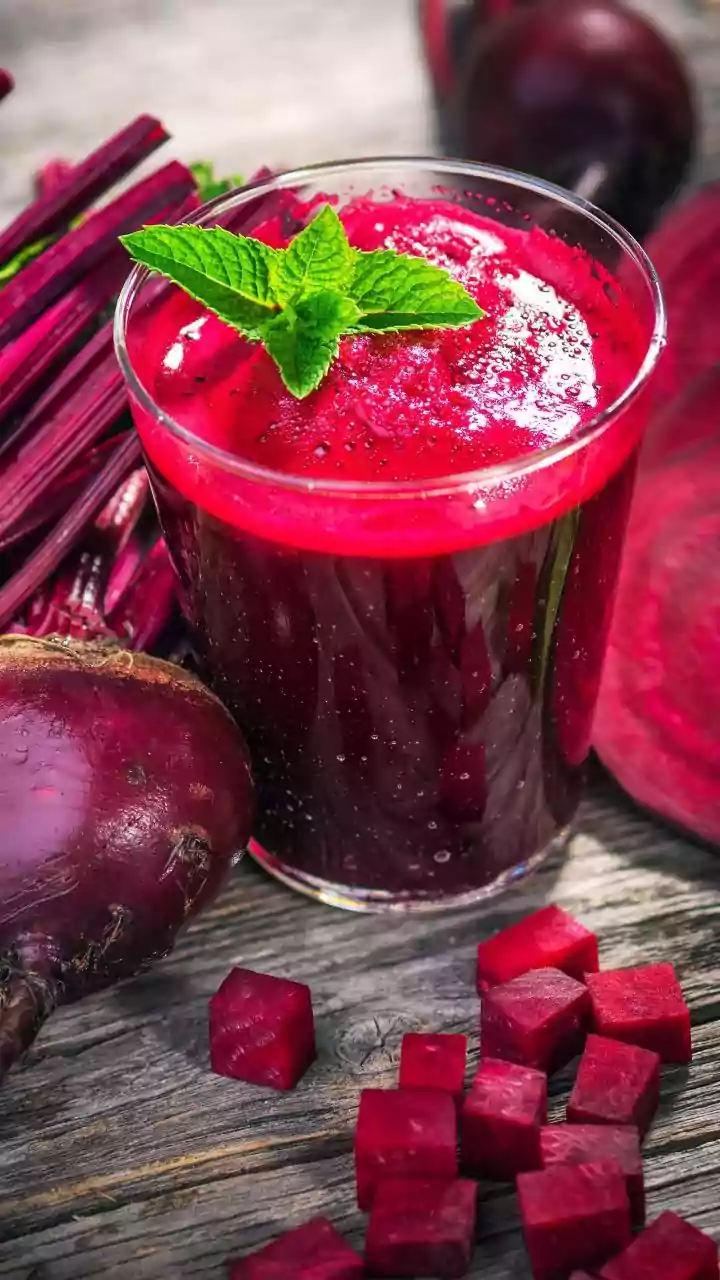
In our fast-paced lives, convenience often dictates our choices, especially when it comes to nutrition. Cold-pressed juices have surged in popularity, marketed as a quick and easy way to consume a concentrated amount of fruits and vegetables. The promise
is simple: a bottle packed with vitamins, minerals, and antioxidants without the effort of peeling, chopping, or even chewing. This convenience is a powerful draw for busy young adults trying to maintain a healthy lifestyle. While the intentions are good, the process that turns a crunchy apple into a smooth liquid fundamentally changes its nutritional profile, and what's lost in translation is significant.
Where Does the Fiber Go?
The key difference between eating a fruit and drinking its juice lies in the fiber content. The process of juicing, whether it's cold-pressed or centrifugal, involves extracting the liquid from the produce and leaving behind the pulp and skin. This discarded material is where most of the dietary fiber is located. For instance, a whole orange contains a significant amount of fiber, while its juice has next to none. This fibrous material is composed of two types: soluble and insoluble. Insoluble fiber adds bulk and helps food pass more efficiently through the digestive system, while soluble fiber dissolves in water to form a gel-like substance that aids in slowing digestion. When you juice, you lose almost all the insoluble fiber and a good portion of the soluble fiber, getting a less complete nutritional package.
The Blood Sugar Rollercoaster
One of the most important roles of fiber is to regulate how your body absorbs sugar. When you eat a whole fruit, the fiber acts as a natural brake, slowing down the digestion process. This leads to a gradual release of the fruit's natural sugars (fructose) into the bloodstream, providing sustained energy. In contrast, drinking fruit juice without the fiber is like hitting the accelerator. The sugar is absorbed much more rapidly, causing a sharp spike in blood glucose levels. This rapid spike can lead to a subsequent crash, leaving you feeling tired and hungry again soon after. Over time, this pattern can be detrimental, and some studies have linked high consumption of fruit juice to an increased risk of type 2 diabetes, a risk that is lowered by eating whole fruits.
Feeling Fuller for Longer
Fiber is also crucial for satiety—the feeling of fullness and satisfaction after a meal. Because fiber slows down digestion and adds bulk, eating a whole apple will keep you feeling full for much longer than drinking the equivalent amount of apple juice. This is a critical factor for weight management. Juices are often referred to as providing 'liquid calories' that don't trigger the same fullness signals in the brain as solid food does. As a result, it's easy to consume a large number of calories from juice without feeling satisfied, which can lead to overconsumption and potential weight gain.
Embracing Seasonal Goodness
Opting for whole seasonal fruits is not just better for your health, but also for your wallet and the environment. Seasonal fruits available in local Indian markets—like mangoes in the summer, guavas in the winter, or jamun during the monsoon—are often at their peak in terms of both flavor and nutritional value. They are also typically more affordable and have a smaller carbon footprint compared to fruits that have been transported over long distances. Getting into the habit of eating what’s in season connects you to local food cycles and ensures a diverse intake of nutrients throughout the year. The recommended daily fiber intake for adults is between 25 and 38 grams, a target that the vast majority of people fail to meet. Incorporating a few whole seasonal fruits into your daily diet is a delicious and effective way to help bridge that gap.