







The Science of Shrinking Clothes
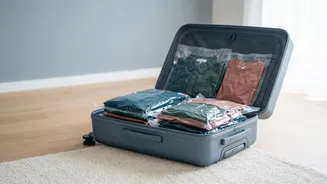
Vacuum bags for travel work on a simple, effective principle: removing trapped air. Your clothes, especially bulky items like sweaters, jackets, and towels, are full of air pockets between the fabric fibres. These bags allow you to place your items inside,
seal a zip-top closure, and then remove the air, either by using a small hand pump, a vacuum cleaner, or by rolling the bag to force air out through a one-way valve. As the air is extracted, the bag compresses around the clothes, reducing their volume dramatically. Some tests show that bulky items can shrink by up to 80% of their original size, while regular clothing compresses by around 50-60%. The result is a dense, flat panel of clothing that takes up significantly less space in your suitcase.
The Critical Rule: Volume vs. Weight
This is the most important concept to understand: vacuum bags reduce volume, not weight. While your puffy jacket may shrink to the size of a book, it will still weigh exactly the same. The bags themselves add a negligible amount of weight. This is where travellers can get into trouble. It becomes incredibly easy to pack more items into your carry-on, which can quickly push you over the strict 7kg limit common on many Indian airlines like IndiGo and Air India. Therefore, you cannot treat vacuum bags as a magic solution to pack whatever you want. Instead, they are a strategic tool to help you fit your already curated lightweight items into a smaller space.
Making the 7kg Limit Work for You
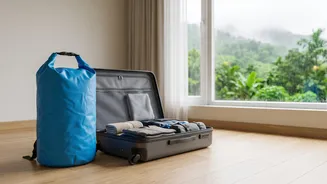
So, how do you use these bags to your advantage without falling into the overweight trap? The key is smart packing before you even touch a compression bag. Start by selecting lightweight, versatile clothing. Plan your outfits to mix and match, reducing the number of individual pieces you need. Wear your heaviest items, like jeans, boots, or a jacket, on the plane. Once you have your selection of clothes, use the vacuum bags for your bulkiest items. A fleece jacket, a couple of sweaters, or a towel are prime candidates. This frees up precious volume for other essentials that cannot be compressed, like shoes, toiletries, and electronics. By compressing the soft, airy items, you create more organized space and prevent your bag from becoming an overstuffed mess.
Choosing the Right Bag and Packing It Smartly
Not all compression bags are created equal. For travel, roll-up bags that don't require a pump are convenient, as you can easily repack them for your return journey. However, bags that come with a small, portable hand pump often achieve better compression. When packing, fold or roll clothes neatly before placing them in the bag to minimize creasing, though some wrinkling is often unavoidable. Do not overfill the bag; leaving a little space near the zipper ensures a proper, airtight seal. Once compressed, the bags become stiff and flat, allowing you to stack them like files inside your carry-on, which can make organizing your luggage much easier.
The Downsides and When to Avoid Them
While useful, vacuum bags are not perfect. The biggest drawback is wrinkles. The intense compression will set creases into most fabrics, so be prepared to iron or steam your clothes upon arrival. They are not recommended for delicate fabrics like silk or structured garments like blazers, which can be permanently damaged. Another issue is repacking. If your bag requires a vacuum cleaner, you might be out of luck at your hotel. Finally, remember that any moisture trapped in clothes before sealing can lead to mildew and odours. Always ensure your clothes are completely dry before packing them away.