





The Great Monsoon Shutdown
First, it's important to understand why most of India’s premier national parks close their gates in the first place. The annual monsoon, typically from June or July to September, brings heavy rains that are vital for the forest's regeneration. This period
is also a crucial breeding season for many species, and keeping human activity to a minimum allows wildlife to thrive undisturbed. More practically, the torrential downpours make the unpaved dirt tracks inside the parks muddy, treacherous, and often completely impassable, posing a safety risk to visitors and staff alike. Consequently, authorities like the National Tiger Conservation Authority mandate the closure of most core forest areas during this time. The standard reopening date for many parks is eagerly awaited on October 1st, but this is where the details begin to matter.
Why Reopening Dates Differ
If you've ever tried booking a safari for early October, you might have noticed a confusing array of options: some zones are open, while others are not. This isn't an error; it's by design. The primary reason for staggered reopening dates is the condition of the terrain. A safari zone located in low-lying, riverine territory might take much longer to dry out and be declared safe for vehicle movement compared to a zone on higher, rockier ground. Forest departments must physically inspect each route before giving the green light. Furthermore, parks often distinguish between 'core' and 'buffer' zones. Core zones are the most protected habitats and almost always close during the monsoon. Buffer zones, which surround the core, may have different rules and sometimes remain open year-round, weather permitting, offering a limited safari experience even during the rains.
Case Study: Ranthambore and Corbett
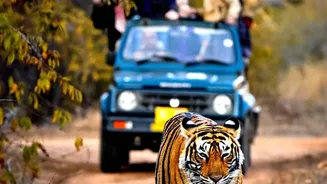
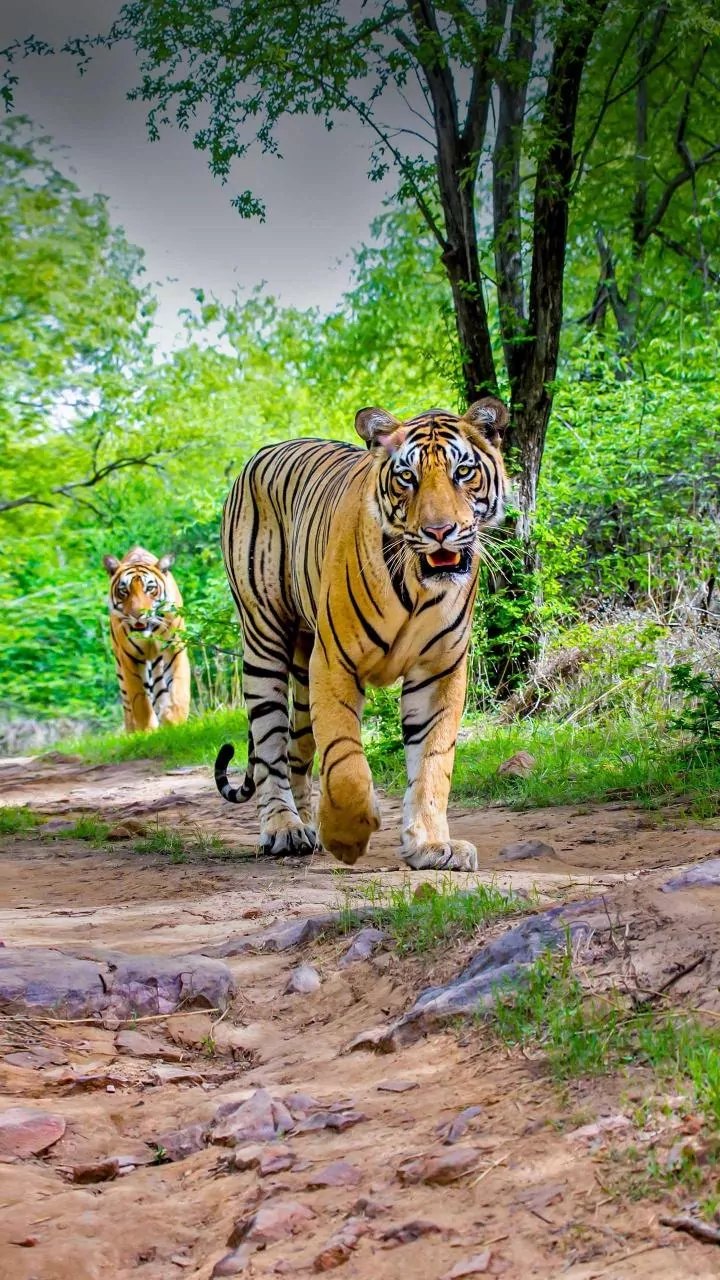
To see this in action, let's look at two of India's most famous tiger reserves. At Ranthambore National Park in Rajasthan, the premium core zones (1-5) are well-known for their tiger sightings and historic landscapes. These zones shut down completely on July 1st and are slated to reopen on October 1st. However, zones 6-10 are often considered buffer or peripheral areas and may remain open for safaris throughout the monsoon, provided the tracks are safe. Similarly, at Jim Corbett National Park in Uttarakhand, the iconic Dhikala and Bijrani zones close during the monsoon. Dhikala typically reopens around mid-November, while Bijrani opens around mid-October. Meanwhile, zones like Jhirna and Dhela are designated to remain open for tourism throughout the year, offering a viable safari option when the core areas are inaccessible.
Tips for Planning Your Post-Monsoon Safari
Navigating this system requires a bit of planning. The single most important tip is to check the official forest department websites or reliable travel operators for the most current information. Do not assume all zones of a park will be open on the same day. Booking in advance is crucial, especially for the highly sought-after core zones, as permits are limited and get snapped up months ahead of time. If your travel dates are fixed for early October, consider focusing on parks or specific zones known to open right on the first of the month, like Ranthambore's core areas. If you have more flexibility, waiting until mid-October or November can be rewarding, as more zones across central Indian parks like Kanha and Bandhavgarh become accessible. Being flexible can also lead to discovering the unique charm of buffer zones, which are often less crowded and offer a different, more serene wildlife experience.