





Control Dampness and Prevent Mould
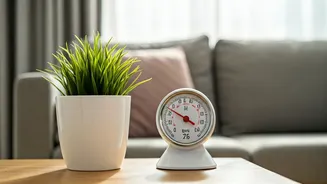
Humidity is the biggest challenge during the monsoon, creating a breeding ground for mould and mildew. Your first line of defence is ventilation. Open windows and doors during dry spells or non-rainy hours to allow fresh air to circulate. In areas prone
to dampness like bathrooms and kitchens, consistently use exhaust fans to pull excess moisture out of the air. For a natural and inexpensive way to absorb moisture, place bowls of rock salt or charcoal briquettes in damp corners, cupboards, and wardrobes. You can also use moisture-absorbing silica gel packets, especially in closets or near electronics, but keep them away from children and pets.
Protect Your Wooden Furniture
The high moisture content in the air can cause wooden furniture to swell, warp, and develop fungus. To protect it, start by moving all wooden items a few inches away from walls, especially exterior ones which can seep moisture. Applying a coat of wax or polish before the monsoon begins creates a protective barrier against moisture. Avoid using wet cloths for cleaning; a dry, soft cloth is best for daily dusting. For extra protection within wardrobes and cabinets, place camphor balls or dried neem leaves, which act as natural dehumidifiers and pest repellents.
Keep Floors Clean and Dry
Muddy footprints and perpetually damp floors are a classic monsoon problem. Place highly absorbent doormats, like those made from coir, at all entrances to trap dirt and water before they are tracked inside. It’s wise to have separate mats for outside and inside the door. When mopping, use less water than usual. A damp microfiber mop is more effective than a soaking wet one, as it cleans without adding excess moisture that takes hours to evaporate. Pay special attention to high-traffic areas and wipe up any spills or water puddles immediately to prevent slips and moisture buildup.
Manage Monsoon Laundry Effectively
Drying clothes indoors can leave them smelling musty. If you use a washing machine, run an extra spin cycle to remove as much water as possible, which significantly cuts down drying time. Hang clothes on a drying rack with ample space between items to allow for better airflow. Placing the rack near a window or under a ceiling fan will also speed up the process. For thicker garments like jeans that remain slightly damp, a quick iron can remove the last bits of moisture and kill any lingering mildew.
Ward Off Unwanted Pests
The rainy season is prime time for pests like mosquitoes, cockroaches, and ants seeking shelter and breeding grounds. The most crucial step is to eliminate standing water in and around your home, so regularly check plant pots, drains, and buckets. Seal any cracks or gaps in walls, windows, and doors to block entry points. Proper waste management is also key; use bins with lids and dispose of garbage regularly to avoid attracting pests. For a natural deterrent, you can use sprays made with diluted essential oils like peppermint, eucalyptus, or citronella.
Care for Carpets and Upholstery
Carpets and rugs can become magnets for moisture during the monsoon, leading to fungal growth and musty smells. The best strategy is to roll them up, wrap them, and store them away for the season. If you choose to keep them, regular vacuuming is essential to remove dust that can trap moisture. On dry, sunny days, air them out to kill spores and remove dampness. You can also place silica gel sachets or naphthalene balls in between sofa cushions and other upholstery to help absorb ambient moisture and keep them fresh.