





The Problem With High Humidity
While we may welcome the break from scorching heat, the thick, humid air of the Indian monsoon season can be silently suffocating for our indoor foliage. High humidity creates the perfect breeding ground for fungal diseases like powdery mildew and root
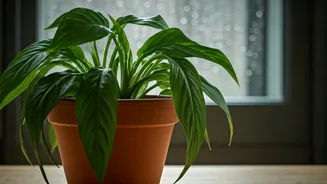
rot. It reduces a plant's ability to transpire, or 'breathe,' through its leaves, which can lead to waterlogged soil and stressed root systems. Delicate plants with thin leaves, like Calatheas, Fittonias, and many ferns, are particularly vulnerable. They may show signs of distress like yellowing leaves, drooping stems, or mouldy-looking spots, leaving many plant parents feeling helpless.
What is Seaweed Extract?
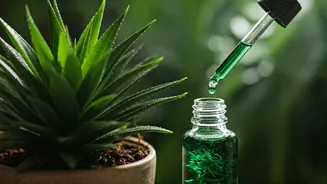
When we talk about using seaweed for plants, we're not suggesting you wrap your pots in kelp from the beach. The product you need is liquid seaweed extract, a powerhouse biostimulant derived from various types of marine algae. It's important to understand that it’s not a fertilizer in the traditional sense. While fertilizers provide essential macronutrients (Nitrogen, Phosphorus, Potassium), seaweed extract offers a cocktail of micronutrients, amino acids, vitamins, and natural plant growth hormones. Think of it less as a meal and more as a potent multivitamin and immune booster for your plants, preparing them to face environmental stress head-on.
The Science: How Seaweed Builds Resilience
Seaweed extract doesn’t lower the humidity in your room; instead, it strengthens your plant from the inside out. It contains natural growth regulators like cytokinins, which promote cell division and delay ageing in leaves, and auxins, which stimulate root development. This stronger root system is better able to manage moisture in the soil, reducing the risk of rot. Furthermore, the compounds in seaweed help fortify the plant's cell walls, making it physically tougher for fungal spores to penetrate. This enhanced cellular integrity and boosted 'immune system' means your plant is far better equipped to defend itself against the pathogens that thrive in damp conditions. It’s a proactive defence, not a reactive cure.
How to Use Seaweed Extract Correctly
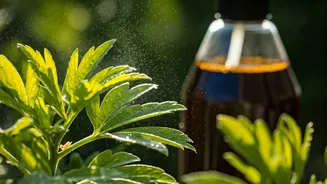
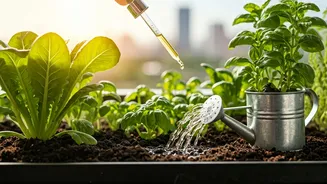
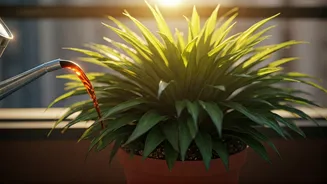
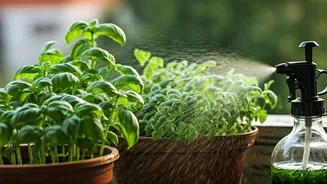
Using seaweed extract is simple, but a little goes a long way. The most common form is a concentrated liquid that you must dilute with water. Always follow the instructions on the bottle, but a general guideline is about 2-5 ml of extract per litre of water. You can apply it in two ways. First, as a 'soil drench,' where you water your plants with the diluted solution. Do this once every two to four weeks during the high-humidity season. Second, as a 'foliar spray,' where you mist the leaves with the solution. This allows for direct absorption of nutrients. For humidity protection, a light foliar spray every 15 days can be very effective. Avoid applying it in direct sunlight, and never use more than the recommended dose, as it can overwhelm the plant.
Best Paired With Good Airflow
Seaweed extract is a powerful tool, but it works best as part of a holistic care routine. The single most important factor in combating humidity-related issues is ensuring good air circulation around your plants. Stagnant, damp air is a fungus's best friend. To prevent this, don't overcrowd your plants. If possible, run a fan on low in the room for a few hours each day to keep the air moving. You should also adjust your watering schedule. In high humidity, the soil dries out much more slowly. Always check the top two inches of soil with your finger; if it's still damp, wait a few more days before watering again. This combination of internal strengthening from seaweed and external environmental management gives your plants the best possible chance of thriving.