






Understanding the Monsoon Advantage
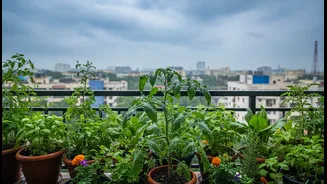
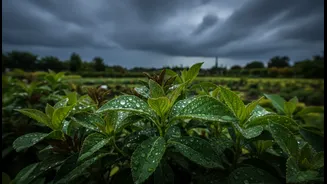
Bengaluru's monsoon, typically from June to September, is nature's gift to gardeners. The cooler temperatures, high humidity, and consistent rain reduce heat stress on plants and encourage rapid growth. This period is ideal for seed germination and planting
new saplings because the survivability rate is significantly higher than in the dry summer months. The moist air helps cuttings root faster, and the soft, chemical-free rainwater is healthier for plants than tap water. For busy urbanites, it also means less manual watering. However, this advantage comes with a critical catch: what works for a large garden doesn't always translate to a compact balcony, where challenges like waterlogging and poor airflow are magnified.
Choosing the Right Monsoon Champions
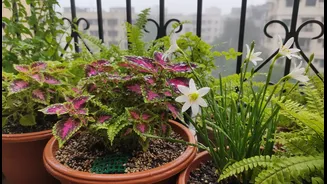
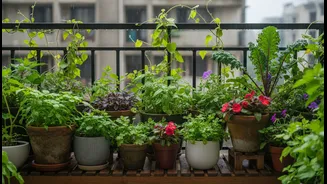
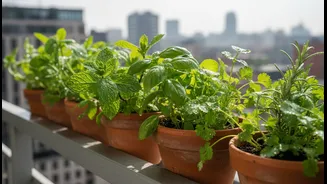
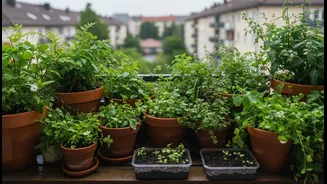
Success starts with selecting plants that thrive in humidity and can handle moisture. Flowering plants like hibiscus, bougainvillea, and jasmine are excellent choices for sunny Bengaluru balconies. Rainy Lilies are monsoon superstars, often blooming just days after the first heavy showers. For balconies with less direct sun, foliage plants are your best bet. Coleus, with its vibrant leaves, loves the shade and moisture of the rainy season. The ever-popular Money Plant (Pothos) grows incredibly fast during this time. You can also grow kitchen herbs like mint and coriander, and vegetables such as gourds (lauki, karela) and spinach, provided they are in large enough pots with good support.
The Golden Rule: Perfecting Drainage
The single biggest mistake balcony gardeners make during the monsoon is underestimating waterlogging. Unlike gardens, pots have limited space and can quickly become waterlogged, suffocating roots and leading to rot. Before you plant anything, ensure every pot has clear drainage holes. Elevating pots on bricks or stands is a simple but highly effective trick; even a small gap underneath allows excess water to escape and prevents drainage holes from getting blocked. It's also wise to avoid placing water-sensitive plants like most succulents outdoors during heavy rains.
Soil Mix and Watering Smarts
Standard garden soil is often too dense for pots, especially during the monsoon when it retains too much water. A lighter, well-draining potting mix is essential. A good combination is garden soil mixed with cocopeat and compost, which provides nutrients while preventing compaction. When it comes to watering, let the rain do the work. Ditch your fixed schedule and only water when the top inch of the soil feels dry to the touch. Overwatering is the leading cause of plant death in the rainy season. If leaves start to look yellow or stems feel mushy, you are likely watering too much.
Managing Pests and Fungal Foes
High humidity is a breeding ground for fungal diseases like powdery mildew and pests like fungus gnats. Good air circulation is your first line of defence, so avoid crowding plants too closely together. Regularly prune any yellowing or dead leaves, as they can become entry points for infection. A preventive spray of neem oil solution (about 5ml per litre of water) every 10-15 days can effectively keep most fungal issues and pests at bay. Also, keep your balcony floor clean to prevent pests from breeding in stagnant water or debris.
To Fertilise or Not to Fertilise?
Resist the urge to over-fertilise. Heavy monsoon rains can wash away chemical fertilisers before the plant can absorb them, and applying them to already wet soil can risk burning the roots. Many plants naturally slow down their growth in the constant humidity and lower light conditions. It's best to reduce feeding during the peak monsoon months of July and August. A light top dressing with organic compost or vermicompost is a safer way to provide gentle nutrition. You can resume a regular feeding schedule post-monsoon, around September or October, to support the new growth spurt.