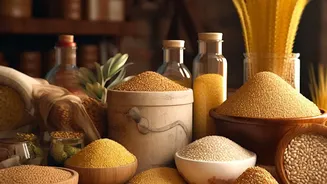


A quiet revolution is happening in Indian pantries. Ancient grains, once sidelined, are returning to the forefront as a new generation rediscovers millets for their incredible health benefits and culinary versatility.
The Modern Revival of an Ancient Grain
For centuries, millets like jowar,
bajra, and ragi were dietary staples across India. However, with the Green Revolution, polished rice and wheat became dominant, pushing these hardy, nutrient-rich grains to the background, often viewed as the food of a bygone era. Now, the tide is turning. A combination of factors, including a surge in health consciousness, government initiatives like the International Year of Millets, and a growing appreciation for sustainable crops, has sparked a major revival. Consumers are increasingly looking for foods that are not just filling but also functional, helping manage everything from blood sugar to gut health. This renewed interest is seeing millets move from being a niche health food to a mainstream ingredient found in everything from breakfast cereals to ready-to-cook dosa batters.
More Than Just Gluten-Free
One of the biggest drivers of the millet trend is the growing demand for gluten-free foods. With gluten sensitivity and celiac disease gaining more recognition in India, many are seeking alternatives to wheat. Millets are naturally gluten-free, making them an excellent and traditional choice. But their benefits go far beyond that. Nutritionists celebrate millets as 'nutri-cereals' for good reason. They are packed with protein, high in dietary fibre, and rich in essential minerals like iron, magnesium, and calcium. The high fibre content aids digestion and promotes a feeling of fullness, which can help with weight management. Furthermore, many millets have a low glycemic index compared to white rice, meaning they release sugar into the bloodstream more slowly, a crucial benefit for managing diabetes.
Meet the Millet Family
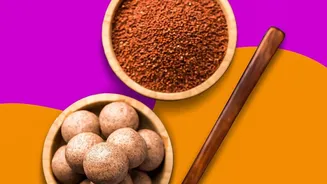
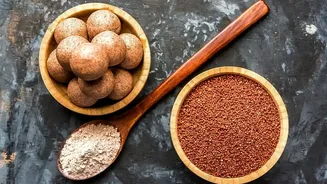
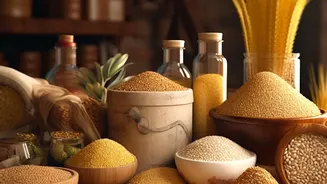
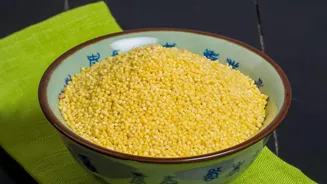
Not all millets are the same; each has a unique nutritional profile and culinary personality. Ragi (finger millet) is a powerhouse of calcium, making it fantastic for bone health and traditionally used in porridges and rotis. Bajra (pearl millet), popular in Rajasthan and Haryana, is rich in iron and magnesium, with a robust flavour well-suited for hearty bhakris. Jowar (sorghum) is another versatile favourite, used for rotis and increasingly as a healthier alternative in baking. Then there are the smaller millets like foxtail millet (kangni), which is great for blood sugar control, and barnyard millet (sanwa), which is light on the stomach and often used in khichdi or pulao. This diversity means there is a millet for almost any dish you can imagine.
From Traditional Porridge to Modern Pizza
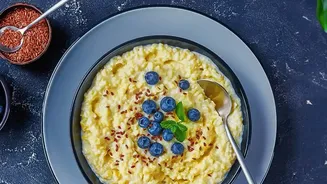
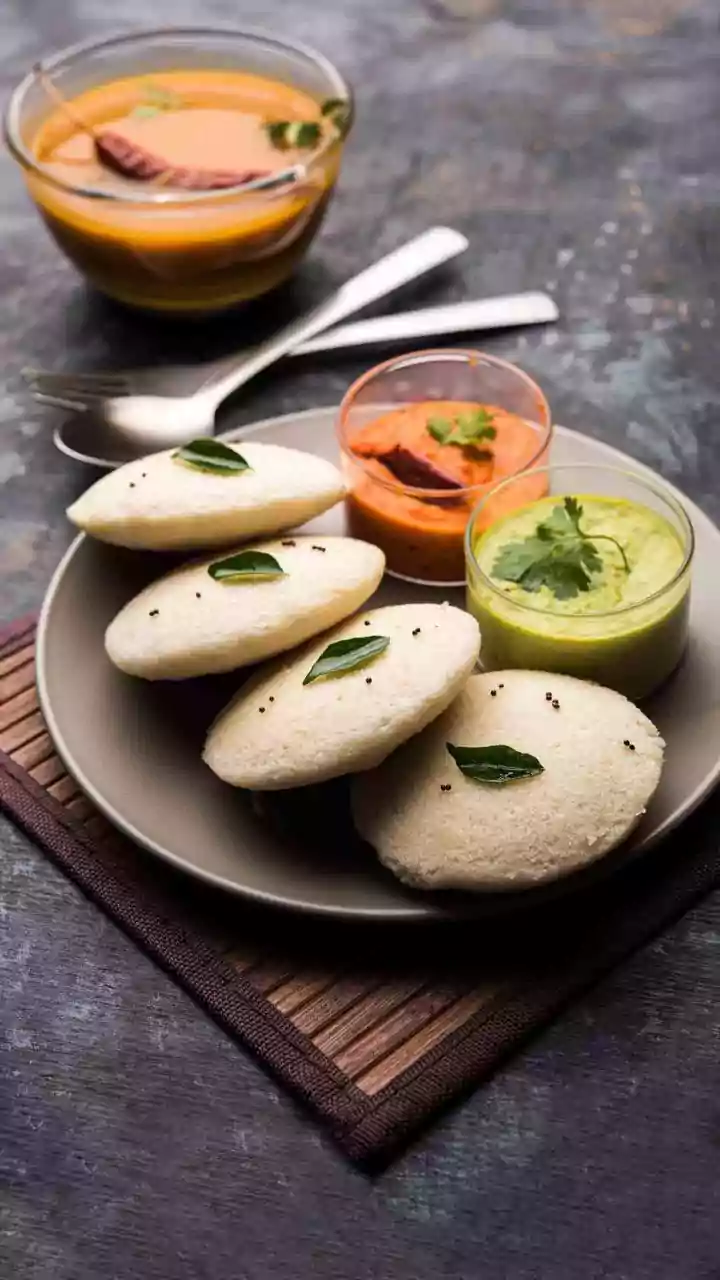
The true sign of millet's comeback is its creative adaptation in modern Indian kitchens. While traditional preparations like ragi mudde and bajra khichdi remain beloved, millets are now starring in contemporary formats. Food brands and home cooks are experimenting with millet-based pasta, noodles, cookies, and even pizza bases. Ready-to-cook products like millet idli batter and multigrain flakes are making it easier than ever for busy households to incorporate these grains. Cafes are adding millet bowls and salads to their menus, and you can find recipes for everything from ragi banana cake to kodo millet nachos. This fusion of tradition and innovation is making millets accessible and appealing to a wider audience, proving that these ancient grains have a firm place in the future of food.