






The High Cost of Sitting Still
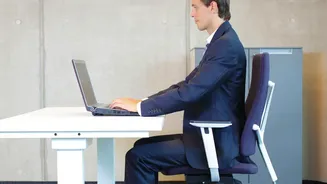
The phrase “sitting is the new smoking” has gained traction for a good reason. A sedentary lifestyle, common for office workers, is linked to a host of health problems. Spending most of the day seated can slow your metabolism and impair insulin sensitivity,
increasing the risk for obesity, type 2 diabetes, and cardiovascular disease. Research shows that even people who exercise regularly are not immune to the negative effects of prolonged sitting, which can include higher risks of certain cancers and even premature death. The core issue is that our bodies are designed for movement, and long periods of inactivity can disrupt crucial bodily functions, from blood flow to metabolic rate.
Your Secret Weapon: An Introduction to NEAT
Here's the good news: combatting a sedentary day doesn't require marathon training. The solution lies in a concept called Non-Exercise Activity Thermogenesis, or NEAT. This term refers to the energy you expend for everything you do that isn't formal exercise, sleeping, or eating. It includes all the incidental movements throughout your day, like walking to the printer, tidying up your desk, fidgeting your feet, or even just standing instead of sitting. While these actions might seem trivial, their cumulative impact is significant. NEAT accounts for a highly variable portion of our daily energy expenditure and is a crucial factor in maintaining a healthy weight and active metabolism.
Simple Ways to Weave NEAT into Your Workday
Integrating NEAT into your 9-to-5 is more about mindset than a major overhaul. Start by looking for small opportunities to move. Consider using a standing desk for part of the day; standing burns more calories than sitting and engages more muscles. When you take a phone call, make it a “walk and talk” by pacing around the office or your home. Set a reminder to get up and stretch or take a short walk every 30 to 60 minutes. Other simple tricks include taking the stairs instead of the elevator, using a smaller water bottle so you have to get up to refill it more often, or even just fidgeting while you work. These small bursts of activity, often called “movement snacks,” break up long periods of sitting and keep your metabolism active.
Beyond the Office: NEAT at Home
The principles of NEAT extend well beyond your work hours. At home, you can find countless opportunities to be more active. Instead of collapsing on the sofa after work, spend a few minutes doing light chores, playing with your pet, or doing some gardening. When watching television, you can stand up and fold laundry or do simple stretches during commercial breaks. Cooking your own meals is another great NEAT activity, involving standing, chopping, and moving around the kitchen. Even carrying groceries into the house instead of using a cart for a short distance contributes to your daily energy expenditure. The goal is to reframe your perspective and see these daily tasks not as chores, but as opportunities to move your body.
The Power of Consistent, Small Actions
It's important to remember that NEAT is a supplement to, not a replacement for, structured exercise like cardio and strength training. However, its power lies in its accessibility and sustainability. While an hour at the gym is fantastic, the other 15 waking hours matter, too. By consistently incorporating small movements throughout the entire day, you actively counteract the metabolic slowdown from sitting. These small efforts add up, helping to improve circulation, support joint health, manage weight, and boost your mood and energy levels. Building these habits turns everyday actions into a powerful tool for long-term health and well-being.