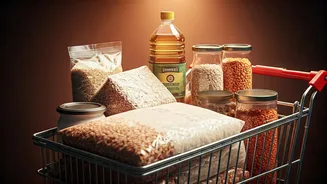








The Shifting Kitchen Budget
This year has presented a mixed bag of household budgets across India. While overall inflation has remained relatively moderate, food inflation has been a persistent concern. In May 2026, the cost of food saw a notable increase of 4.78% compared to the previous
year, with price pressures building steadily over the past few months. This is felt most acutely when buying daily essentials. While staples like onions and potatoes have remained somewhat stable, other items have seen spikes due to weather and supply chain issues. For the average family, this means the money allocated for groceries doesn't stretch as far as it used to, making conscious shopping for staples more critical than ever.
More Than Just Price: The Quality Crisis
Beyond the strain on our wallets, a more alarming issue demands attention: food adulteration. Recent reports indicate a growing trust deficit among consumers, as staples like milk, paneer, spices, and oils are frequently found to be contaminated or substandard. In fact, one report highlighted that nearly one in six food samples tested in the last year failed safety and quality checks. Adulterants ranging from industrial chemicals in ghee to dilution of honey with sugar syrup are becoming distressingly common. These practices don't just cheat customers; they pose serious health risks, particularly for children, contributing to long-term health problems and undermining nutritional security. This makes knowing what to look for and where to buy your staples a crucial act of health protection.
Your Smart Shopping Guide
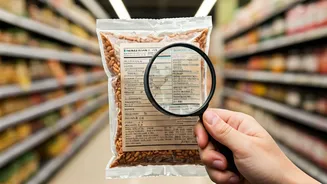
Navigating this environment requires a new level of awareness. The first step is understanding the certifications that guarantee quality. The Food Safety and Standards Authority of India (FSSAI) is the primary regulatory body, and its license is mandatory for all food businesses. For agricultural products like spices, ghee, and pulses, look for the AGMARK certification, a mark of grading and quality from the Directorate of Marketing and Inspection. While FSSAI has streamlined regulations, knowing these marks helps you choose better. When you shop, make it a habit to check packaging for the FSSAI license number and the AGMARK seal. Don't be afraid to ask your local vendor about the source of their loose staples.
The Kirana Store Advantage
In the debate between supermarkets and local kirana stores, the neighbourhood shop still holds a significant edge for staples. Kirana stores are the backbone of India's grocery ecosystem, valued for their deep community ties, personalized service, and offering credit. They often stock fresher, locally sourced products, including freshly ground spices, which retain more flavour and aroma. While supermarkets may offer discounts on bulk purchases, kiranas provide competitive pricing on specialty Indian products and have a better understanding of local preferences. By building a relationship with your local grocer, you not only support a small community business but also gain a trusted partner in ensuring the quality of your food.
Leveraging Official Resources
Empowerment also comes from knowing your rights and the resources available. The FSSAI is actively running consumer awareness campaigns like the 'Eat Right India' movement to educate the public on food safety, adulteration, and healthy choices. They have also launched initiatives like 'Food Safety on Wheels', mobile labs that can test for common adulterants like pesticide residue in fruits, vegetables, and cereals right in your local market. These vans help sensitize traders and consumers alike about the importance of sourcing safe food. Staying informed about these initiatives in your city can provide an extra layer of confidence and a way to actively participate in building a safer food environment for everyone.