





The Heart of the Matter
On the surface, both steady hiking and calm-water paddleboarding seem like moderate, enjoyable activities. Yet, when it comes to cardiovascular effort—how hard your heart and lungs are working—hiking generally has the edge. This is primarily because hiking involves
constantly changing variables that demand more from your body. A study in the Journal of Strength and Conditioning Research found that even recreational paddleboarding can elevate heart rates to 60-70% of maximum, placing it firmly in the aerobic zone. However, hiking, especially with inclines, can easily push that percentage higher and keep it there. The calorie burn reflects this difference: hiking can burn between 400-600 calories per hour, while casual paddleboarding typically burns around 300-400 calories in the same timeframe. It’s the difference between a steady, sustained effort and an effort that continuously adapts to new challenges.
Why Hiking Is a Cardio Powerhouse
The secret to hiking’s cardiovascular superiority lies in two key elements: gravity and terrain. Walking uphill forces the large, powerful muscles in your legs—the quadriceps, hamstrings, and glutes—to work significantly harder to propel your body weight against gravity. This increased muscular demand requires more oxygen, forcing your heart to pump faster and more forcefully to deliver it. Research shows hiking up hills has a Metabolic Equivalent of Task (MET) value of around 6.9 or higher, classifying it as a vigorous activity. Furthermore, uneven trails demand constant micro-adjustments from your core and stabilizer muscles to maintain balance, adding to the overall energy expenditure. Every rock, root, and change in slope is a new problem for your body to solve, preventing it from settling into a low-effort rhythm.
The Unique Demands of Paddleboarding
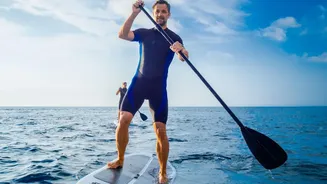
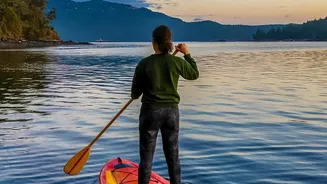
While hiking challenges your cardiovascular system with intensity, stand-up paddleboarding excels as a full-body workout with a special focus on core strength and stability. The act of balancing on an unstable board floating on water provides a constant and unique challenge. Your deep core muscles, including the transverse abdominis which acts like a natural back brace, are perpetually engaged to keep you upright. Each paddle stroke is a full-body movement, integrating your arms, back, shoulders, and rotational core muscles to propel the board forward. This makes it an exceptional low-impact option that builds functional strength and balance without the joint-pounding stress of activities like running. On calm water, it provides a steady, low-impact cardio session, but its primary strength lies in building a rock-solid core.
Intensity and Intent Change Everything
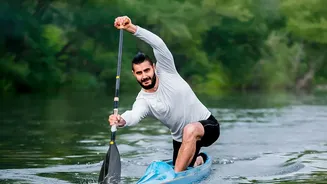
It is crucial to remember that the headline's comparison hinges on 'steady' hiking versus 'calm_water' paddleboarding. The equation flips dramatically when intensity changes. SUP racing, for instance, can be an incredibly demanding workout, burning over 700 to 1,125 calories per hour. Paddling against a strong headwind or in choppy water also significantly increases the cardiovascular effort required. Conversely, a slow, leisurely walk on a completely flat path will be far less demanding than a moderate paddle. The cardiovascular benefit of any exercise is ultimately determined by the effort you put in. A sustained, conversational pace during a flat_water paddle is comparable to a brisk walk. However, the natural inclines and varied terrain of a typical hiking trail inherently introduce a higher level of intensity without the user having to consciously push harder.
Which Workout Is Right for Your Goals?
The choice between hiking and paddleboarding shouldn't be about which is 'better', but which aligns with your personal fitness goals. If your primary objective is to improve cardiovascular endurance, challenge your heart, and build powerful leg muscles, hiking is an excellent choice. It’s an efficient way to elevate your heart rate and is highly adaptable to your fitness level by simply choosing steeper or longer trails. If your focus is on developing core strength, improving balance, and getting a low impact, full body workout, then paddleboarding is a superior option. It provides a unique combination of strength, balance, and aerobic conditioning that is gentle on the joints. For a well rounded fitness regimen, combining both activities can offer the best of both worlds: the cardio power of hiking and the core stability of paddleboarding.