

The End of the Detox Delusion
For years, the period after any major Indian festival was marketed as “detox” season. Juice cleanses, extreme calorie-cutting, and punishing workout regimes promised a quick fix to undo the perceived damage of celebratory feasting. However, health experts
now widely agree that these quick fixes often do more harm than good. Your body has a natural and highly efficient detoxification system run by the liver and kidneys, which works best with consistent nourishment, not starvation. Experts warn that restrictive post-festive regimens can lead to nutrient deficiencies, fatigue, and a slowed metabolism, often resulting in a rebound effect where any weight lost is quickly regained. The conversation is now shifting away from this all-or-nothing mentality toward building habits that last.
Mindfulness Over Restriction
The new philosophy isn't about avoiding festive foods, but about enjoying them mindfully. This means paying attention to what you eat, savouring each bite, and listening to your body's hunger and fullness cues. Nutritionists suggest that instead of skipping meals to “save” calories for a big party—a strategy that often backfires and leads to overeating—it's better to eat balanced meals throughout the day. This approach prevents the extreme hunger that leads to bingeing and bloating. The goal is to remove the guilt and fear associated with festive foods and replace it with conscious enjoyment, making celebration a genuinely happy and nourishing experience for both mind and body.
Smart Swaps and Simple Strategies
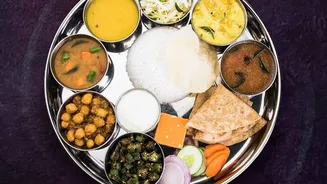
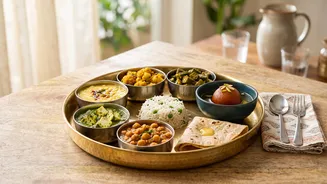
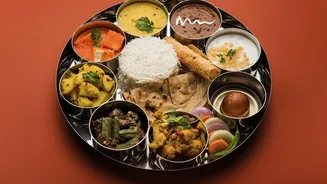
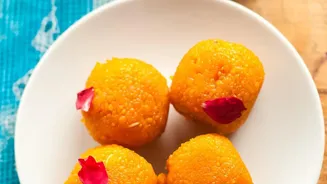
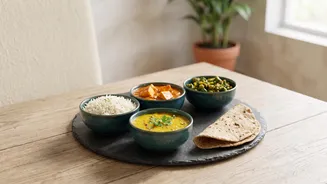
Sustainable eating during festivals is about making small, intelligent changes, not overhauling entire traditions. Chef Sanjeev Kapoor suggests keeping the soul of a dish intact while making it lighter; for instance, by baking or air-frying snacks like gujiya instead of deep-frying them. Nutritionists recommend several easy swaps: using jaggery or dates for natural sweetness instead of refined sugar, opting for skimmed or low-fat milk in desserts, and choosing whole grains like millets. The modern Indian consumer is increasingly seeking these healthier alternatives that align with wellness goals without sacrificing cultural traditions. Even simple acts like using a smaller plate for portion control, staying hydrated, and filling half your plate with vegetables or salad can make a significant difference.
The Wisdom in Tradition
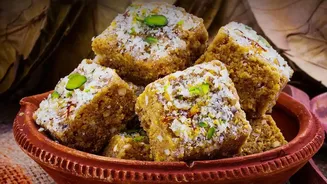
Interestingly, this modern wellness trend has deep roots in traditional Indian food wisdom. Many traditional festive preparations, when made at home, are inherently balanced. Nutritionist Rujuta Diwekar notes that traditional homemade sweets are often more nutritious than store-bought varieties. The promotion of millets, a cornerstone of recent health campaigns, is a return to ancient, climate-resilient grains that are packed with nutrients. The emphasis on using every part of an ingredient to reduce waste is another traditional practice finding new relevance. This shift suggests a powerful synthesis of ancestral knowledge and modern nutritional science, creating a holistic approach to festive wellness that is both culturally resonant and sustainable.
Beyond the Plate
A sustainable festive lifestyle isn't just about what you eat. It’s also about how you move and rest. Incorporating light physical activity, such as a walk after a heavy meal, can aid digestion and help balance calorie intake far more effectively than skipping the next meal. Staying hydrated is another crucial component, as thirst is often mistaken for hunger. Experts also stress the importance of adequate sleep, as sleep deprivation can increase cravings for sugary and fatty foods. By focusing on these interconnected pillars of wellness—mindful eating, consistent movement, proper hydration, and restful sleep—the festive season can become a time for true rejuvenation rather than a source of stress.